The classical period music style stands as one of the most transformative chapters in Western art music history, reshaping how composers approached structure, melody, and emotional expression. Spanning roughly from 1750 to 1820, this era replaced the ornate complexity of the Baroque with a refined balance of clarity, symmetry, and elegance. Whether you are a curious beginner exploring your first symphony or an advanced listener dissecting sonata form, understanding the classical period style unlocks a deeper appreciation for the music that still influences composers today. This guide covers the defining characteristics, key composers, instrumental forms, and lasting legacy of this remarkable musical era.
What Is the Classical Period in Music?
The classical period in music refers to a distinct historical era that emerged in Europe during the mid-eighteenth century and flourished through the early nineteenth century. Classical period music style is often confused with the broader term “classical music,” but they are not the same thing. “Classical music” encompasses everything from the medieval period to contemporary compositions, while the classical period specifically denotes a stylistic movement defined by its emphasis on order, proportion, and accessible beauty. This era coincided with the Enlightenment, a philosophical movement that celebrated reason, logic, and the pursuit of clarity — values that directly shaped the music of the time.
Defining the Era and Its Context
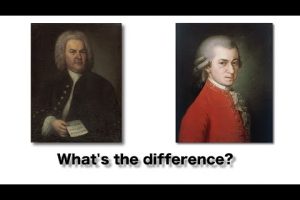
The classical period emerged as a reaction against the highly decorative and complex Baroque style that preceded it. Where Baroque music favored layered counterpoint, dramatic ornamentation, and continuous emotional intensity, the classical approach embraced balanced phrases, transparent textures, and structured forms. Composers began writing music that was not only intellectually sophisticated but also emotionally approachable for a growing middle-class audience attending public concerts and operas.
Key Characteristics of Classical Period Music Style
Understanding the musical features that define the classical era is essential for identifying this style in practice. The characteristics below separate classical period compositions from works of other eras.
Structural and Formal Elements
Classical period composers placed enormous importance on musical form. Structure became the backbone of composition, giving each piece a clear architecture that listeners could follow.
- Sonata form — The dominant structural framework, consisting of exposition, development, and recapitulation sections
- Theme and variations — A melody presented and then altered in successive repetitions
- Rondo form — A recurring main theme alternating with contrasting sections (ABACA pattern)
- Binary and ternary forms — Simple sectional structures used in shorter works
- Symphonic four-movement plan — Fast-slow-dance-fast ordering that became the standard for orchestral works
Melodic and Harmonic Features
The melodic language of the classical period is distinctly different from earlier styles. Melodies tend to be symmetrical, singable, and built on clear periodic phrasing — typically two balanced phrases that answer each other. Harmonically, composers worked within the framework of tonal harmony, relying on cadences, modulations, and dominant-tonic relationships to create tension and resolution.
Orchestration also became more standardized during this period. The classical orchestra expanded to include pairs of flutes, oboes, clarinets, bassoons, horns, trumpets, timpani, and strings, creating a richer but more balanced sonic palette than the Baroque ensemble.
Texture and Dynamics
Classical music favors a primarily homophonic texture, where a clear melody sits above a subordinate accompaniment. This contrasts sharply with the intricate polyphonic webs of the Renaissance and Baroque. Dynamics also shifted dramatically — composers began marking specific dynamic levels in their scores, and the gradual crescendo and decrescendo became expressive tools rather than sudden shifts between loud and soft.
Major Composers of the Classical Period
Three composers dominate the classical period music landscape, each contributing uniquely to the development of the style.
Haydn: The Father of the Symphony
Joseph Haydn (1732–1809) earned the title “Father of the Symphony” and “Father of the String Quartet” through his prolific output and innovative structural thinking. Haydn composed over 100 symphonies and more than 80 string quartets, establishing many of the formal conventions that his contemporaries and successors would follow. His music is characterized by wit, surprise elements, and clever motivic development. Works like the London Symphonies and the Surprise Symphony (No. 94) demonstrate his genius for balancing formal rigor with playful expressiveness.
Mozart: The Master of Melody
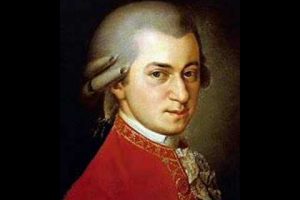
Wolfgang Amadeus Mozart (1756–1791) is perhaps the most universally recognized name associated with the classical period. His music embodies the era’s ideals of beauty, balance, and proportion, yet it transcends those ideals with extraordinary emotional depth. Mozart composed across virtually every genre of his time — symphonies, operas, piano concertos, chamber music, and sacred works. His operas (The Marriage of Figaro, Don Giovanni, The Magic Flute) revolutionized the genre by integrating music and drama with unprecedented sophistication. His piano concertos remain benchmarks for the concerto form to this day.
Beethoven: The Bridge Between Eras
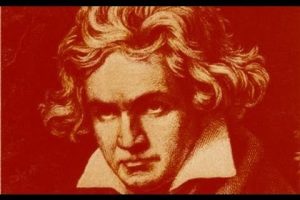
Ludwig van Beethoven (1770–1827) is the figure who straddles the classical and Romantic periods. His early works are firmly rooted in classical period conventions, influenced directly by Haydn and Mozart. However, his middle and late compositions — including the Eroica Symphony, the Ninth Symphony, and the Late String Quartets — pushed boundaries of form, harmony, and emotional scope so dramatically that they opened the door to Romanticism. Beethoven is essential for understanding how the classical style evolved into something more personal and expansive.
Instrumental Forms That Defined the Era
The classical period saw the codification of several instrumental forms that became foundational to Western music. These structures gave composers a reliable framework while allowing for remarkable creative variation.
- The Symphony — An orchestral work in four movements, typically lasting 20 to 45 minutes, combining scale with structural clarity
- The String Quartet — A conversation among four instruments (two violins, viola, cello) that became the quintessential chamber music genre
- The Piano Sonata — A multi-movement work for solo piano that showcased both technical virtuosity and compositional craft
- The Concerto — A dialogue between a solo instrument (or group) and orchestra, typically in three movements
- The Opera — A staged dramatic work combining vocal performance, orchestra, and theatrical spectacle
Each of these forms relied heavily on sonata-allegro form for their first movements, creating a template for presenting themes, developing them through modulation and fragmentation, and restating them in the home key for a satisfying resolution.
Classical Period vs. Other Musical Eras
Comparing the classical period style with the eras before and after it helps clarify its unique identity and contributions.
| Feature | Baroque (1600–1750) | Classical (1750–1820) | Romantic (1820–1900) |
| Texture | Polyphonic, contrapuntal | Homophonic, melody-driven | Varied, often richly layered |
| Emotional Expression | Continuous dramatic intensity | Balanced, controlled elegance | Personal, passionate, extreme |
| Orchestra Size | Small to moderate | Standardized, expanded | Large, with expanded brass and percussion |
| Harmonic Language | Functional tonality, basso continuo | Clear tonal centers, cadential clarity | Extended chords, chromaticism, modulations |
| Form | Fugue, ritornello, binary | Sonata form, rondo, theme and variations | Through-composed, freer structures |
| Dynamics | Terraced (sudden shifts) | Gradual, notation-specific | Expressive extremes, wide range |
This comparison table illustrates that the classical period occupies a middle ground — retaining the tonal foundation of the Baroque while introducing the emotional breadth and structural freedom that the Romantics would later amplify.
Why Classical Period Music Style Still Matters
The influence of classical period music extends far beyond the concert hall. Modern film composers draw directly from classical period orchestration techniques and formal structures. Music education worldwide uses sonata form and symphonic analysis rooted in this era as foundational training for young musicians. The principles of clarity, balance, and logical development that defined the classical style continue to inform composition, arrangement, and music theory curricula.
For listeners, engaging with classical period music offers a uniquely rewarding experience. The music is accessible yet sophisticated — structured enough to reward repeated listening and beautiful enough to move audiences on first encounter. Whether you are building a playlist of essential symphonies or studying composition, the classical period provides an indispensable foundation.

Expert Tips for Exploring Classical Period Music

- Start with complete symphony cycles — Listening to all four movements of a single symphony reveals how classical composers build large-scale narrative arcs
- Compare recordings — Different conductors interpret the same classical period score in dramatically different ways, offering insights into tempo, articulation, and phrasing choices
- Study the score — Even a basic understanding of musical notation helps you appreciate how sonata form operates in practice
- Listen for thematic development — Pay attention to how a short melodic idea transforms across a movement through changes in key, rhythm, and orchestration
- Explore lesser-known works — Beyond the famous names, composers like Muzio Clementi, Johann Stamitz, and Luigi Boccherini offer rich classical period repertoire that deserves attention
Frequently Asked Questions About Classical Period Music Style
What time period does the classical period in music cover?
The classical period in music is generally dated from approximately 1750 to 1820, beginning around the death of Johann Sebastian Bach and ending with the late works of Beethoven, who transitioned into the Romantic era.
What are the most defining features of classical period music?
The most defining features include homophonic texture, clear periodic phrasing, sonata-allegro form, balanced orchestration, gradual dynamic changes, and an emphasis on melody and harmonic clarity over the complex counterpoint of the preceding Baroque era.
How does classical period style differ from Baroque style?
Classical period music favors simplicity, clarity, and balance, while Baroque music emphasizes intricate counterpoint, ornamental complexity, and continuous emotional intensity. The classical orchestra is also more standardized and larger than the Baroque ensemble.
Why is Beethoven considered part of the classical period if he sounds Romantic?
Beethoven’s early works adhere closely to classical period conventions. His later compositions push into Romantic territory, which is why he is often described as a transitional figure. His career spans both eras, making him a bridge between classical and Romantic musical language.
What is the best way for beginners to start listening to classical period music?
Beginners should start with well-known symphonies and concertos by Mozart and Haydn, such as Mozart’s Symphony No. 40 or Haydn’s Surprise Symphony. These works exemplify the classical style while remaining immediately engaging and accessible.
Conclusion
The classical period music style represents a golden age of balance, innovation, and enduring beauty in Western music. From the crystalline symphonies of Haydn to the operatic genius of Mozart and the revolutionary spirit of Beethoven, this era gave the world musical forms and expressive tools that remain central to how we understand and create music today. By studying its characteristics, exploring its masterworks, and listening with an informed ear, you gain access to a body of music that continues to inspire, challenge, and delight audiences centuries after its creation. Whether your interest is casual or scholarly, the classical period offers an inexhaustible well of artistic achievement worth discovering and revisiting throughout your life.