
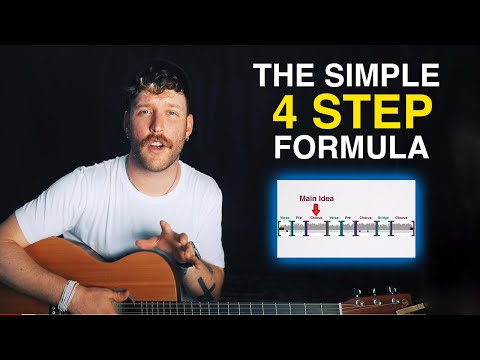
If you’ve ever sat down with a guitar, a piano, or just a notebook and wondered how to be a better songwriter, you’re not alone. The truth is that songwriting is a craft that can be sharpened, refined, and elevated at every stage of your journey. Whether you’re just starting out or you’ve been writing for years, there are always new techniques, mindsets, and strategies waiting to take your songs from forgettable to unforgettable. This guide dives deep into the practical steps, expert insights, and actionable habits that separate amateur lyricists from professional-level songwriters who consistently create music that resonates.
Understanding What Makes a Great Songwriter
Before you can improve, you need to understand what separates a good songwriter from a great one. The answer isn’t just talent or inspiration — it’s a combination of technical skill, emotional honesty, structural awareness, and relentless practice. Great songwriters understand that writing songs is both an art and a discipline. They know how to craft a melody that sticks, write lyrics that cut deep, and build songs that take listeners on a journey from the first note to the last.
The best songwriters share several key traits:
- Curiosity: They constantly study other genres, eras, and styles, absorbing influences that feed their creativity.
- Consistency: They write regularly, not just when inspiration strikes.
- Emotional intelligence: They can translate complex feelings into relatable, vivid language.
- Structural awareness: They understand how verses, choruses, bridges, and pre-choruses work together to create tension and release.
- Willingness to revise: They treat the first draft as raw material, not the final product.
The Fundamentals Every Songwriter Should Master
At its core, songwriting revolves around three pillars: lyrics, melody, and harmony. Each one carries its own weight, and the strongest songs balance all three effectively. A brilliant lyric paired with a forgettable melody won’t carry the song. A soaring melody with vague or generic lyrics won’t move people. And harmony without either will leave the listener disengaged. Understanding how these elements interact is the foundation of becoming a better songwriter.
Start by studying the basics of music theory — not because you need a degree, but because understanding chord progressions, scales, and intervals gives you a vocabulary to work with. Learn how a simple I-V-vi-IV progression can evoke different emotions depending on the key, tempo, and lyrical content. Study how top songwriters use contrast between verses and choruses to create dynamic, engaging tracks.
Mastering Song Structure and Composition
Song structure is the architecture of your music. Think of it as the blueprint that determines how your listener experiences the song from start to finish. Without intentional structure, even the best lyrics and melodies can feel aimless or confusing.
Most popular songs follow a proven framework:
- Verse 1: Sets the scene, introduces the narrative or emotional premise.
- Pre-Chorus: Builds tension and anticipation before the chorus lands.
- Chorus: Delivers the emotional payoff — the most memorable and hook-driven section.
- Verse 2: Deepens the story or explores a new angle on the theme.
- Bridge: Provides contrast, a shift in perspective, or a moment of revelation.
- Final Chorus: Often repeated or modified for maximum impact and resolution.
But the best songwriters don’t just follow the formula blindly. They know when to break the rules. Adding an unexpected key change, extending a bridge, or stripping the arrangement down to a single vocal line can create moments that define an entire song. Study songs by artists like Adele, Taylor Swift, or Kendrick Lamar and map out their structures. Notice how they use dynamics — getting softer before getting louder, or letting silence do the heavy lifting.
Developing Your Lyrical Craft
Lyrics are the heartbeat of a song. They’re what listeners connect with on a personal level, what they sing along to in their cars, and what keeps them coming back for more. To write better lyrics, you need to do two things simultaneously: broaden your observational skills and deepen your emotional vocabulary.
Show, don’t tell. Instead of writing “I was sad,” describe the specific image that sadness creates. Write about the coffee cup left on the counter, the text message left on “read,” the way the rain looked on the windshield at 2 AM. Specificity is the enemy of generic songwriting.

Use concrete language. Abstract phrases like “I feel broken inside” are vague and forgettable. Replace them with tangible details that paint a picture. “Your coffee mug is still on the shelf” tells the same story with far more emotional impact.
Study great lyricists. Read the lyrics of songwriters you admire. John Lennon, Joni Mitchell, Leonard Cohen, and Kendrick Lamar all have distinct approaches to language. Notice how they use metaphor, repetition, internal rhyme, and rhythm to enhance meaning.
Finding Your Unique Voice
One of the biggest mistakes aspiring songwriters make is trying to sound like someone else. While studying other artists is essential, eventually you need to find your own authentic voice. Your voice is the combination of your life experiences, your way of seeing the world, your sense of humor, your pain, and your joy. No one else has lived your life, which means no one else can write from your perspective.
Experiment with different writing prompts. Write about a childhood memory, a stranger you saw on the subway, a conversation that changed you, or a dream you can’t shake. Over time, patterns will emerge in your writing that reveal your unique voice and perspective.
Improving Melodic and Harmonic Skills
A great melody doesn’t just happen by accident — it’s crafted through intention and practice. To improve your melodic writing, start by singing more. Record yourself humming ideas, even if they’re rough. Carry a voice memo recorder or a note-taking app everywhere. Some of the best melodies in history came from quick, unpolished captures of a fleeting idea.
Work on your melodic contour. The most memorable melodies tend to have a mix of stepwise motion (moving note by note) and larger leaps (jumps of a third or more). Contrast your verse melodies, which tend to stay lower and more conversational, with chorus melodies, which typically rise higher and feel more expansive.
For harmonic development, experiment with chord substitutions and extensions. If you’re stuck in a standard progression, try adding a seventh or ninth chord, borrowing from a parallel key, or using chromatic passing chords. These small tweaks can transform a familiar progression into something that feels fresh and unexpected.

The Practice Habits That Separate Good Songwriters from Great Ones
Talent gets you started, but habits determine how far you go. The most successful songwriters treat writing like a job, not a hobby. They show up consistently, even when they don’t feel inspired, and they trust the process.
Here are practice habits that will accelerate your growth as a songwriter:
- Write every day: Even if it’s just a single line or a chord progression. Momentum builds skill.
- Co-write with others: Collaboration exposes you to new perspectives, techniques, and creative approaches you’d never discover alone.
- Set constraints: Write a song using only four chords, or write a chorus without rhyming. Constraints breed creativity.
- Finish what you start: Completion is a skill. Don’t abandon songs halfway through — push through and learn to see them to the end.
- Seek feedback: Share your work with trusted peers, mentors, or songwriting groups. External perspective reveals blind spots.
- Study hit songs: Analyze what makes popular songs work. Break them down structurally, melodically, and lyrically.
- Record demos: Even rough recordings help you hear your songs more objectively and identify areas for improvement.
Remember, the gap between where you are now and where you want to be is bridged by daily, intentional practice. Not inspiration, not waiting for the muse — just showing up and doing the work.
Beginner vs Advanced Songwriter Habits: A Comparison
| Aspect | Beginner Songwriter | Advanced Songwriter |
| Writing Frequency | Writes when inspired | Writes on a consistent schedule |
| Revision Process | Sends first draft out | Revises multiple drafts before finalizing |
| Structural Awareness | Follows formula without thinking | Understands why structures work and adapts them |
| Lyric Depth | Relies on clichés and generalizations | Uses specific imagery and personal storytelling |
| Melodic Approach | Plays what feels natural without analysis | Intentionally crafts melodic contours for emotional impact |
| Collaboration | Prefers to write alone | Actively seeks co-writing opportunities |
| Goal Setting | No clear goals | Sets specific, measurable songwriting targets |
This comparison table highlights the mindset shift that separates emerging songwriters from those who build sustainable, successful careers. You don’t need to master everything at once — focus on one area at a time and build from there.
Long-Tail Keyword FAQs
How can I improve my songwriting skills fast?
The fastest way to improve is to write consistently, study hit songs in your genre, and get feedback from other songwriters or mentors. Focus on one element at a time — lyrics this week, melody the next — rather than trying to fix everything at once.
What are the best songwriting techniques for beginners?
Start with simple song structures like verse-chorus-verse. Use journaling to capture real emotions and experiences. Practice writing with chord progressions you already know, focusing on adding melody and lyrics over existing harmony. The goal is to build confidence and momentum.
How do professional songwriters overcome writer’s block?
Professionals don’t wait for inspiration — they use techniques like changing your writing environment, setting a timer and writing without stopping, co-writing with someone, or working on a completely different song. Sometimes switching from lyrics to melody work, or vice versa, reignites your creative flow.
What makes a song lyric emotionally powerful?
Emotional power in lyrics comes from specificity, vulnerability, and relatability. Use concrete sensory details, write honestly about real experiences, and avoid over-explaining emotions. Trust your listener to understand the feeling you’re conveying.
Should I learn music theory to write better songs?
Music theory is not mandatory, but it accelerates your understanding of why certain chords, progressions, and melodies work. Even a basic knowledge of scales, intervals, and chord construction can dramatically expand your creative options and help you communicate more effectively with other musicians.
How important is collaboration in songwriting?
Collaboration is one of the most powerful tools for growth. Working with other songwriters exposes you to different writing approaches, strengths, and creative instincts. Many of the biggest hits in music history were co-written, and the best songwriters actively seek out collaborative partnerships.
Final Thoughts: Your Songwriting Journey Starts Now
Becoming a better songwriter is not a destination — it’s a continuous journey of learning, experimenting, and growing. Every song you write teaches you something new about yourself, your craft, and your audience. The songwriters who improve the fastest are the ones who embrace discomfort, seek feedback relentlessly, and never stop being curious about the world around them.
Start today. Pick up your instrument, open your notebook, or fire up your recording app. Write one verse. Then write another. Then finish that chorus you’ve been circling in your head. The difference between where you are now and where you want to be is built one song at a time. Trust the process, stay dedicated, and let your unique voice shine through every word and every note you write.