When worshipers sit in a pew and struggle to hear every lyric of the worship band or every word of the pastor’s sermon, something fundamental breaks down in the experience. A well-designed church audio system bridges that gap, ensuring that every spoken word and every musical note reaches every corner of the room with clarity, warmth, and impact. Whether you are outfitting a small chapel with fifty seats or managing the sound for a 2,000-seat auditorium, understanding the components, design principles, and best practices behind church sound reinforcement is essential. This guide walks you through everything you need to know, from foundational concepts for beginners to advanced strategies for experienced worship facility managers.
Why Church Audio Systems Matter More Than You Think
Churches are unique environments when it comes to sound reinforcement. Unlike a concert venue or a corporate boardroom, a church combines spoken word with live music, hosts people of all ages and hearing abilities, and operates under budget constraints that rarely allow for unlimited spending. The audio system must deliver sermons with intelligibility scores above 95% while reproducing worship music with enough depth and presence to inspire congregational participation.
A poorly tuned system creates acoustic feedback, muddy vocals, and listener fatigue. Conversely, a thoughtfully configured setup transforms the worship experience. Research consistently shows that congregants who can clearly hear and understand the message stay engaged longer, participate more actively, and report higher satisfaction with their church experience. Investing in the right church sound system design is not a luxury—it is a ministry priority.
Core Components of a Church Audio System
Every church audio setup, regardless of size, relies on a chain of interconnected components. Understanding what each piece does helps you make informed purchasing decisions and avoid costly mistakes.
Microphones
Microphones are the front door of any church sound system. The most common types used in worship settings include:
- Handheld wireless microphones — ideal for pastors and guest speakers, offering freedom of movement
- Lavalier or clip-on microphones — perfect for preaching and teaching where the speaker remains stationary
- Gooseneck microphones — commonly used on lecterns and conference tables for a clean, professional look
- Choir and congregational microphones — overhead or distributed boundary mics that capture group vocals evenly
- Instrument microphones — dynamic mics for drums and guitar amps, condenser mics for acoustic instruments and choir
Mixing Consoles
The mixing console is the brain of the audio system. It allows the sound operator to balance levels, apply equalization, add effects, and route audio to multiple zones. Modern consoles range from simple analog boards to fully digital networks with touchscreen interfaces and built-in signal processing.
Speakers and Amplifiers
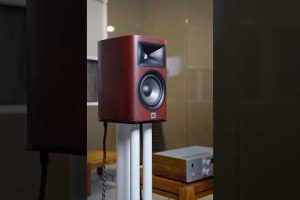
Speaker selection depends heavily on room size, ceiling height, and architectural acoustics. Common configurations include:
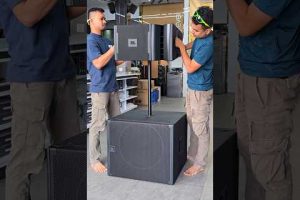
- Main left/right speaker stacks — deliver primary coverage to the congregation
- Delay speakers — placed in the rear or middle of larger rooms to maintain time alignment
- Stage monitors — allow musicians to hear themselves during performance
- Subwoofers — add low-frequency support for contemporary worship music
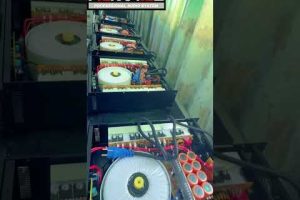
Amplifiers power passive speakers, while active or powered speakers have built-in amplification, simplifying setup and reducing cable runs.
Signal Processing and DSP
Digital signal processors handle equalization, feedback suppression, delay alignment, and dynamics control. Many modern systems integrate DSP directly into the mixing console or into networked speaker processors, giving operators precise control over the entire sound field.
Choosing the Right System by Church Size

Not every church needs the same audio solution. Matching your system to your space and budget is the single most important decision you will make.
Small Churches (Under 100 Seats)
For small worship spaces, simplicity and value are key. A basic system with two powered speakers, a compact digital mixer, one or two wireless microphones, and a pair of stage monitors can deliver excellent results for under $5,000. Brands like Behringer, Yamaha, and Mackie offer affordable options that do not compromise on sound quality. Focus on coverage uniformity and vocal clarity rather than complex zone management.
Medium Churches (100–500 Seats)
Medium-sized churches benefit from a more robust setup. Consider a digital mixer with at least 16–24 input channels, a pair of high-quality passive main speakers driven by dedicated amplifiers, and a distributed speaker system with delay fill speakers. Adding a subwoofer for contemporary music and implementing feedback suppression software significantly improves performance. Budget typically ranges from $10,000 to $30,000 for a professional installation.
Large Churches and Multi-Site Ministries (500+ Seats)
Large worship environments demand professional-grade systems from manufacturers like Bose, Danley Sound Labs, d&b audiotechnik, and L-Acoustics. These installations involve detailed acoustic modeling, line-array speaker systems, networked audio transport, and multiple independent mix zones for worship rooms, classrooms, and overflow spaces. Investment can range from $50,000 to several hundred thousand dollars depending on complexity.
Analog vs Digital Mixing Consoles: A Side-by-Side Comparison

One of the most common decisions church sound teams face is choosing between analog and digital mixing consoles. The table below breaks down the key differences to help you decide.
| Feature | Analog Mixer | Digital Mixer |
| Purchase Cost | Lower upfront investment | Higher initial cost |
| Channel Count | Fixed, limited by physical faders | Expandable, often 32–128+ channels |
| Effects and Processing | External hardware required | Built-in EQ, compression, reverb, delay |
| Scene Recall and Automation | Not available | Save and recall multiple settings instantly |
| Portability | Lightweight but limited flexibility | Touchscreen interface, more intuitive for trained users |
| Learning Curve | Simple, straightforward | Steeper, but powerful once mastered |
| Long-Term Flexibility | Limited expansion options | Software updates, plugin integration, networking |
| Best For | Small churches, volunteer operators | Growing churches, professional sound teams |
For churches expecting growth or those already running multi-service productions, a digital mixer like the Yamaha TF series or Allen & Heath dLive offers tremendous long-term value through scene recall, remote monitoring via tablet, and seamless integration with digital networking protocols like Dante or AES50.
Best Practices for Church Sound System Design
Installing an audio system is about more than placing speakers and turning the system on. Following proven design principles ensures consistent, reliable performance every Sunday.
- Conduct an acoustic analysis of the room. Room dimensions, surface materials, and seating layout all affect how sound propagates. Hiring an acoustic consultant or using measurement tools like SMAART can prevent costly design errors.
- Place main speakers at the front of the room, aimed slightly downward into the congregation. This reduces ceiling reflections and ensures even coverage across all seating rows.
- Use delay speakers in large rooms. Time-align delay speakers with the main system so that sound arrives at the listener’s ear simultaneously from both sources, eliminating echo and phase issues.
- Position microphones correctly relative to speakers. Maintain a minimum 1:4 ratio of speaker-to-microphone distance to minimize feedback and feedback loops.
- Invest in training for your sound operator. Even the most expensive system will sound terrible without a skilled operator. Provide ongoing training on mixing techniques, feedback elimination, and EQ matching.
- Plan for future expansion. Choose systems that support Dante networking or have available input/output channels so you can grow without replacing core infrastructure.
- Perform regular maintenance. Replace worn cables, clean connectors, update firmware, and recalibrate speakers seasonally to maintain peak performance.
Top Brands and Equipment Recommendations
When selecting equipment for your church audio system, consider reliability, support availability, and resale value. The following brands are widely trusted across the houses of worship sector:
- Yamaha — Industry standard for mixing consoles and powered speakers, exceptional build quality and dealer support network
- Allen & Heath — Renowned digital mixers with intuitive workflows, popular for mid-to-large churches
- Bose Professional — Premium loudspeaker systems with built-in DSP, ideal for churches wanting turnkey solutions
- Danley Sound Labs — Hyper-engineered speaker systems offering extraordinary coverage patterns and efficiency
- Shure — Leading manufacturer of wireless microphones and wired vocal microphones trusted by churches worldwide
- QSC — Affordable yet powerful amplifiers and powered speakers, excellent for budget-conscious projects
For churches building systems around networked audio, consider adopting the Dante protocol from Audinate. Dante-enabled devices allow audio to travel over standard Ethernet cabling, dramatically simplifying cabling infrastructure and enabling remote troubleshooting from anywhere in the building.
Budgeting for Your Church Audio System
Budgeting for a new sound system requires honesty about both immediate needs and future growth. As a general guideline:
- Small churches: $2,000–$8,000 for a complete basic system
- Medium churches: $8,000–$30,000 for a professional-grade installation
- Large churches: $30,000–$200,000+ for enterprise-level distributed audio
Remember to factor in installation costs, cabling, rigging, training, and ongoing maintenance. A system that costs $15,000 installed will serve your church for 8–12 years, making the cost per service remarkably low when spread over that timeframe.
Final Thoughts on Building the Perfect Church Audio Experience
Creating an outstanding audio environment for worship is a combination of the right equipment, thoughtful design, skilled operation, and ongoing care. No single piece of gear makes or breaks a system—it is the synergy between microphones, mixers, speakers, and the acoustic environment that determines success. Start by honestly assessing your current challenges, define your goals, and work with experienced church audio consultants who understand the unique demands of worship spaces. The result will be a system that elevates every message, inspires every song, and serves your congregation for years to come.
Frequently Asked Questions
What is the best audio system for a small church with a tight budget?
For small churches under $5,000, a pair of QSC K12.2 powered speakers combined with a Yamaha TF1 digital mixer, a Shure BLX288/PG58 wireless microphone system, and a pair of Behringer CX2310 stage monitors delivers professional-quality sound without exceeding most small church budgets. This setup provides clear vocal reinforcement and adequate music reproduction for congregations up to 150 people.
How do I reduce feedback in my church audio system?

Feedback reduction starts with proper microphone placement—keep mics close to the sound source and pointed away from speakers. Use the built-in feedback suppression features on digital mixers or add a dedicated unit like the dbx DriveRack. Ensure speakers are positioned in front of and above microphones, and use graphic EQ to identify and notch out problem frequencies. Regularly check cable connections and replace any damaged gear, as intermittent connections often cause buzzing and feedback issues.
What is the difference between a powered speaker and a passive speaker setup?
Powered speakers have amplification built into the cabinet, meaning you connect them directly to the mixer without needing a separate amplifier. This simplifies installation, reduces cable runs, and saves space. Passive speakers require an external amplifier and offer more flexibility in matching speaker and amp power, but they add complexity to the setup. For most modern church installations, powered speakers are the preferred choice due to ease of use and consistent performance.
Do I need a professional audio engineer for my church?
While not strictly required, having at least one trained volunteer or staff member who understands mixing fundamentals dramatically improves sound quality. Many churches start with a knowledgeable volunteer and later hire a part-time professional sound engineer as their system grows. Free resources like the Church Sound Guys website and YouTube channels dedicated to worship audio provide excellent training material for beginners and intermediate operators.
Can I integrate a church audio system with video and streaming equipment?
Absolutely. Modern digital mixers with Dante or USB connectivity can route audio simultaneously to house speakers, recording devices, and streaming platforms. Many churches use a video switcher that syncs with the audio console, allowing high-quality live streams without requiring a separate audio engineer for the broadcast mix. Investing in a unified AVL (audiovisual and lighting) infrastructure from day one saves significant cost and complexity as your church’s media capabilities grow.