


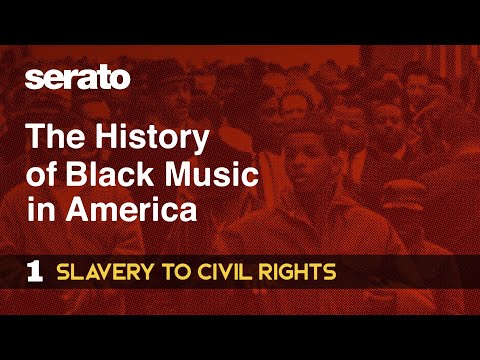
Black history music represents one of the most powerful and enduring cultural forces in the world. From the fields of the American South to the recording studios of modern-day Nashville, Detroit, and Atlanta, Black musical traditions have shaped the global soundscape in ways that are impossible to overstate. The story of Black history music is not just about songs and artists; it is about resilience, identity, innovation, and the relentless pursuit of freedom through creative expression. Whether you are a casual listener, a music student, or a history enthusiast, understanding the roots and evolution of Black music offers a profound lens into the American experience and beyond.
The Roots of Black History Music
African Musical Traditions and the Transatlantic Slave Trade
The foundations of black history music stretch back centuries to the diverse musical traditions of West and Central Africa. Enslaved Africans brought with them complex rhythmic patterns, call-and-response vocal techniques, polyrhythmic percussion, and deeply spiritual connections to music-making. When these traditions collided with European musical forms in the Americas, something revolutionary began to take shape. The result was not a simple blending of styles but the birth of entirely new art forms that would eventually dominate global popular culture.
Key elements that African musical traditions contributed to Black history music include:
- Call-and-response singing structures
- Polyrhythmic and syncopated drumming patterns
- Oral storytelling through song
- Improvisation as a core musical principle
- The use of music as a communal and spiritual practice
Spirituals and the Role of Music in Resistance
Spirituals are among the earliest and most poignant forms of black history music. Songs like “Wade in the Water,” “Swing Low, Sweet Chariot,” and “Go Down Moses” were not merely expressions of faith; they were coded messages of survival and liberation. Enslaved people used these songs to communicate escape routes, warn of danger, and maintain a sense of hope and community in the darkest of circumstances. The spiritual tradition laid the groundwork for nearly every subsequent genre that emerged from the Black American experience.
Key Genres That Shaped Black History Music
Blues and the Birth of Modern American Music
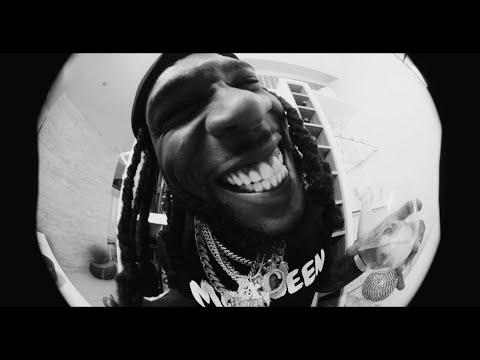
The blues emerged in the late 19th and early 20th centuries in the Mississippi Delta and other Southern regions. Artists like Robert Johnson, Bessie Smith, and Muddy Waters transformed personal suffering into universal art. The twelve-bar blues structure became the backbone of rock and roll, rhythm and blues, and countless other genres. The blues was the first major Black music genre to gain widespread commercial recognition, and its influence remains undeniable to this day.
Jazz, the Harlem Renaissance, and Musical Innovation
Jazz is arguably the most significant musical innovation to originate from the United States, and it is inseparable from Black history. Born in New Orleans and flourishing during the Harlem Renaissance of the 1920s and 1930s, jazz introduced the world to improvisation, complex harmonies, and syncopated rhythms that defied every convention of European classical music. Louis Armstrong, Duke Ellington, Billie Holiday, and Charlie Parker each pushed the boundaries of what music could be. The Harlem Renaissance was not just a musical movement; it was a cultural awakening that redefined how America perceived Black creativity and intellect.
Gospel, R&B, Soul, and the Golden Age
Gospel music carried the fire of the Black church into mainstream consciousness. Artists like Mahalia Jackson and Thomas A. Dorsey fused sacred lyrics with powerful vocal delivery, creating a sound that would directly influence soul and R&B. The 1960s and 1970s are often considered the golden age of Black music, with Motown Records, Stax Records, and Atlantic Records producing iconic artists such as Aretha Franklin, Marvin Gaye, Stevie Wonder, Otis Redding, and Aretha Franklin. These artists did not just entertain; they gave voice to the Civil Rights Movement and articulated the hopes and struggles of an entire generation.
Hip-Hop and the Cultural Revolution
No discussion of black history music is complete without hip-hop. Emerging from the Bronx in the late 1970s, hip-hop began as block party music before evolving into the dominant global cultural force it is today. Artists like Grandmaster Flash, Public Enemy, Tupac Shakur, Notorious B.I.G., Lauryn Hill, Kendrick Lamar, and J. Cole have used hip-hop to address systemic inequality, police brutality, economic disinvestment, and Black pride. The genre’s four pillars — MCing, DJing, breakdancing, and graffiti art — represent a holistic cultural movement that continues to evolve and reshape the world.
Pioneering Artists Who Defined Black Music History
Understanding black history music means understanding the artists who risked everything to create and share their art. Here are some of the most influential figures whose contributions transcend genre:
- Mamie Smith — The first African American to record a vocal blues song, opening the door for countless Black artists in the recording industry.
- Louis Armstrong — Revolutionized jazz trumpet playing and popularized scat singing worldwide.
- Ray Charles — Bridged gospel and R&B to create a new sound that influenced generations of musicians.
- James Brown — The Godfather of Soul, whose funk-driven rhythms laid the foundation for hip-hop and modern dance music.
- Nina Simone — A pianist, singer, and civil rights activist whose music blended jazz, blues, and classical influences with unflinching social commentary.
- Prince — A genre-defying virtuoso who challenged racial and gender norms in the music industry.
- Kanye West — A producer and artist who fundamentally altered the sound of mainstream hip-hop and R&B in the 21st century.
How Black Music Influenced American Culture
The influence of black history music on American culture cannot be measured in charts and sales alone — though the commercial impact is staggering. Black musical forms have shaped fashion, language, dance, social movements, and even politics. The Civil Rights Movement used songs like “We Shall Overcome” and “A Change Is Gonna Come” as its soundtrack. Hip-hop has become the dominant youth culture worldwide, influencing everything from politics to advertising to academic discourse.
Consider the following cultural impacts of Black music:
- Language: Hip-hop slang has entered the mainstream lexicon, influencing how millions of people communicate daily.
- Dance: From the Lindy Hop to the Running Man to TikTok choreography, Black music has driven dance trends for over a century.
- Fashion: Hip-hop fashion, from oversized clothing to designer streetwear, has become a multi-billion-dollar global industry.
- Social Justice: Music by Black artists has consistently served as a catalyst for social change, from the 1960s to the present Black Lives Matter movement.

Comparison Table: Key Black Music Genres and Their Characteristics
| Genre | Era of Origin | Key Characteristics | Key Pioneers |
| Spirituals | 1700s–1860s | Call-and-response, religious themes, coded liberation messages | Enslaved African Americans (anonymous) |
| Blues | 1890s–1920s | Twelve-bar structure, expressive vocals, guitar-driven | Robert Johnson, Bessie Smith |
| Jazz | 1910s–1940s | Improvisation, syncopation, complex harmonies | Louis Armstrong, Duke Ellington |
| Gospel | 1930s–1960s | Powerful vocals, church roots, uplifting themes | Mahalia Jackson, Thomas A. Dorsey |
| R&B / Soul | 1940s–1970s | Emotional vocals, smooth instrumentation, dance rhythms | Aretha Franklin, Marvin Gaye |
| Funk | 1960s–1970s | Strong bass lines, rhythmic groove, syncopated beats | James Brown, Parliament-Funkadelic |
| Hip-Hop | 1970s–present | Rhyming lyrics, beat production, sampling, turntablism | Grandmaster Flash, Tupac, Kendrick Lamar |
Expert Tips for Exploring Black History Music
If you are new to black history music or looking to deepen your understanding, here are practical recommendations from experts and longtime enthusiasts:
- Start with the roots. Begin by listening to field recordings of spirituals and work songs from the Library of Congress archives. Understanding the origins gives you context for everything that followed.
- Explore curated playlists. Platforms like Spotify, Apple Music, and YouTube offer curated collections focused on Black music history. Search for terms like “essential Black music timeline” or “African American music history playlist.”
- Read the history alongside the music. Books like “The History of Rock and Roll” by Ed Ward or “The Music of Black Americans” by Eileen Southern provide rich context that enhances listening.
- Attend live events. Festivals like the New Orleans Jazz & Heritage Festival or the Chicago Blues Festival offer immersive experiences that connect you to living traditions.
- Follow Black music scholars and historians. Platforms like the Smithsonian’s National Museum of African American History and Culture offer online resources, exhibits, and lectures that deepen your knowledge.
Frequently Asked Questions
What is the significance of black history music in American culture?
Black history music is the cultural backbone of American popular music. Nearly every major genre — rock and roll, country, R&B, hip-hop, and pop — has direct roots in Black musical traditions. The significance extends beyond entertainment; Black music has served as a vehicle for social justice, cultural pride, and collective memory throughout American history.
How did spirituals influence later genres of Black music?
Spirituals introduced the call-and-response format, the emotional power of communal singing, and the use of music as a tool for resistance and survival. These elements directly influenced blues, gospel, soul, and even hip-hop. The improvisational spirit of spirituals lives on in jazz and modern R&B performance.
What role did Motown Records play in black music history?
Motown Records, founded by Berry Gordy in Detroit in 1959, played a transformative role in mainstreaming Black music. Artists like The Supremes, The Temptations, Stevie Wonder, and Marvin Gaye achieved crossover success, breaking racial barriers on radio and television. Motown’s polished sound, often called “The Sound of Young America,” helped bridge cultural divides during the Civil Rights era.
How can I teach black history music to children?
Start with storytelling. Share the narratives behind the songs — how enslaved people used spirituals, how jazz musicians created new art forms during segregation, and how hip-hop gave a voice to marginalized communities. Use age-appropriate music, documentaries, and interactive activities like drumming circles or sing-alongs to make the history tangible and memorable.
What are the best resources for learning about African American music history?
The Smithsonian National Museum of African American History and Culture offers extensive online resources. Books like “Africa in the American Imagination” and “The NPR Curious Listener’s Guide to the Blues” provide excellent overviews. Streaming platforms also host curated playlists specifically designed to trace the evolution of black history music from its origins to the present day.
Conclusion
Black history music is far more than a collection of songs and albums — it is the living, breathing record of a people’s struggle, triumph, creativity, and vision. From the spirituals sung in hidden fields to the beats that dominate global streaming platforms today, Black musical traditions have continually redefined what music can be and what it can accomplish. Understanding this history is essential not just for music lovers but for anyone seeking a deeper understanding of American culture and the universal human drive for expression, dignity, and freedom. The music continues to evolve, and so does its power to inspire, educate, and transform. Every time you press play on a record rooted in black history, you are participating in a tradition that stretches back centuries and forward into an endlessly creative future.