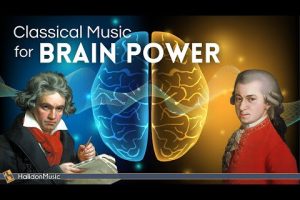
The classical period in music history, spanning roughly from 1750 to 1820, represents one of the most transformative eras in Western art music. Classical period music composers revolutionized the way symphonies, sonatas, operas, and chamber works were structured, bringing clarity, balance, and emotional refinement to compositions that still dominate concert halls today. Whether you are a beginner exploring the basics of this era or an intermediate listener seeking deeper context, understanding the composers of the classical period unlocks a richer appreciation of the music that shaped modern Western culture.
What Defines Classical Period Music Composers
When people refer to “classical period music composers,” they are talking about a very specific window of musical history, not classical music as a whole. The Classical era sits between the ornate complexity of the Baroque period and the intense emotional depth of the Romantic era. Composers during this time prioritized structural elegance, transparent textures, and thematic development over the layered polyphony that defined their predecessors.
The Time Period and Its Boundaries
The classical period is generally dated from the mid-18th century to the early 19th century. The death of J.S. Bach in 1750 is often used as a starting marker, while the death of Beethoven in 1827 typically signals the transition into Romanticism. During this roughly seventy-year span, composers embraced Enlightenment ideals of reason, order, and universality, channeling those philosophies directly into their music.
Key stylistic hallmarks of this era include:
- Homophonic texture — a clear melody supported by accompanying chords
- Sonata form — a three-part structure (exposition, development, recapitulation) that became the backbone of symphonies and sonatas
- Balanced phrases — symmetrical musical sentences with clear antecedent and consequent endings
- Orchestral standardization — the expansion and formalization of the modern orchestra
- Tuneful, accessible melodies — designed to appeal to a broad audience, not just the church or aristocracy
The Big Three: Haydn, Mozart, and Beethoven
No discussion of classical period music composers is complete without examining the towering figures of Joseph Haydn, Wolfgang Amadeus Mozart, and Ludwig van Beethoven. These three composers are often called the “Viennese Classics” because they were all active in or connected to Vienna, the cultural capital of Europe during the late 18th century.
Joseph Haydn: The Father of the Symphony
Franz Joseph Haydn (1732–1809) earned his reputation as the architect of the classical symphony and the string quartet. He spent decades serving the wealthy Esterházy family, which gave him a private orchestra and the freedom to experiment. Haydn composed over 100 symphonies, refining the form with wit, surprise, and masterful orchestration. His works like the Surprise Symphony and the London Symphonies remain staples of the orchestral repertoire.

Haydn’s influence on younger composers was enormous. He mentored the young Mozart and later taught Beethoven, creating a direct lineage of classical innovation.
Wolfgang Amadeus Mozart: The Prodigy of Vienna
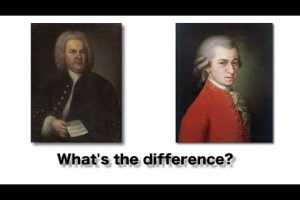
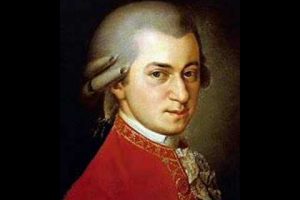
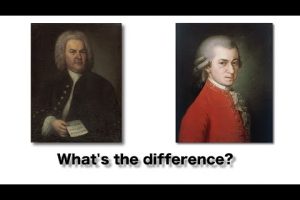
Wolfgang Amadeus Mozart (1756–1791) is arguably the most universally recognized name among classical period music composers. A child prodigy who toured Europe before the age of ten, Mozart matured into a composer of staggering versatility. His output spans symphonies, operas, piano concertos, chamber music, and sacred works — all marked by melodic beauty, harmonic sophistication, and dramatic instinct.
Mozart’s most celebrated works include The Marriage of Figaro, Don Giovanni, and The Magic Flute. His piano concertos, particularly those written during his Vienna years, are considered among the greatest achievements in the concerto genre. Unlike Haydn, Mozart had a more turbulent relationship with patronage, often struggling financially despite his immense talent.
Ludwig van Beethoven: The Bridge to Romanticism
Ludwig van Beethoven (1770–1827) straddles the classical and Romantic periods, making him one of the most complex figures among classical period music composers. His early works clearly follow Haydn and Mozart’s formal conventions, but his middle and late periods push those structures to their breaking point with raw emotional intensity, expanded forms, and bold harmonic experiments.
Beethoven’s Symphony No. 3 (Eroica), Symphony No. 5, and Symphony No. 9 fundamentally changed what symphonies could express. His late string quartets and piano sonatas remain some of the most challenging and profound works in the entire Western canon. Hearing loss that progressively deafened him did not diminish his output; if anything, it intensified his creative vision.
Key Characteristics of Classical Period Composition
Understanding what distinguishes the music of this era helps listeners identify classical period works even without knowing the composer’s name. The classical period favored:
- Clear thematic development — a primary theme, a contrasting second theme, and a return of the first
- Dynamic contrast — sudden shifts between loud and soft passages rather than gradual crescendos
- Ornamentation with restraint — melodic decorations that serve the structure rather than overwhelm it
- Regular meter and rhythm — predictable patterns that make the music easy to follow
- Key relationships — systematic use of dominant and subdominant tonal centers
These principles gave classical music its signature clarity and balance, setting it apart from the fugal complexity of Bach and Handel and the unrestrained emotion of later Romantic composers like Wagner and Tchaikovsky.
Important Classical Period Composers Beyond the Big Three
While Haydn, Mozart, and Beethoven dominate the narrative, dozens of other classical period music composers made significant contributions that deserve attention.
Christoph Willibald Gluck (1714–1787) reformed Italian opera by stripping away excessive ornamentation and focusing on dramatic truth. His opera Orfeo ed Euridice remains a landmark of the reform opera movement.
Luigi Boccherini (1743–1805) was an Italian composer whose chamber music and symphonies exemplify the grace and elegance of the classical style. His string quintets are particularly beloved for their melodic charm.
Carl Philipp Emanuel Bach (1714–1788) — son of J.S. Bach — pioneered the empfindsamer Stil (sensitive style), which emphasized emotional expressiveness within a structured framework. His work influenced the transition from Baroque to Classical.
Muzio Clementi (1752–1832) was an Italian-born composer and pianist whose piano sonatas and instructional books helped define early piano technique. Often called “the father of the piano,” Clementi was a direct rival of Mozart in their famous 1781 keyboard duel.
Johann Stamitz (1717–1757) and the Mannheim school revolutionized orchestral technique, developing the Mannheim crescendo and standardizing orchestral sections that Haydn and Mozart later inherited.
Comparison of Major Classical Period Composers
| Composer | Lifespan | Primary Contributions | Signature Works | Style Emphasis |
| Joseph Haydn | 1732–1809 | Symphony, string quartet | London Symphonies, The Creation | Structure, wit, orchestral innovation |
| Wolfgang Amadeus Mozart | 1756–1791 | Opera, piano concerto, symphony | Don Giovanni, Piano Concerto No. 21 | Melodic beauty, dramatic balance |
| Ludwig van Beethoven | 1770–1827 | Symphony, piano sonata, string quartet | Symphony No. 9, Moonlight Sonata | Emotional depth, structural expansion |
| Christoph Willibald Gluck | 1714–1787 | Opera reform | Orfeo ed Euridice, Iphigénie en Aulide | Dramatic clarity, stripped orchestration |
| Luigi Boccherini | 1743–1805 | Chamber music, symphony | String Quintet in E Major, Minuet | Elegance, lyrical melody |
Expert Tips for Exploring Classical Period Music

If you are new to the classical period, diving in without a strategy can feel overwhelming. Here are practical recommendations for building a meaningful listening experience:
- Start with the symphonies — Haydn’s London Symphonies and Beethoven’s first six symphonies are the perfect entry point. Listen to complete recordings rather than individual movements to understand how thematic ideas develop across the entire work.
- Explore piano sonatas — Mozart’s piano sonatas and Beethoven’s early sonatas showcase the classical style’s interplay between melody and accompaniment. Glenn Gould’s recordings of Haydn are also exceptional.
- Attend live performances — Classical period music was written for specific ensemble sizes and acoustic spaces. Hearing these works performed on period instruments or by chamber groups reveals textures that recordings sometimes flatten.
- Read program notes — Before listening, read about the historical context of the piece. Understanding that Haydn composed the Surprise Symphony to wake up a dozing audience changes how you hear the famous timpani chord.
- Compare recordings — Listen to the same symphony performed by different conductors. The contrast between a period-instrument ensemble like the Academy of Ancient Music and a modern orchestra like the Berlin Philharmonic highlights how interpretation shapes classical music’s character.
Conclusion

The classical period music composers who defined this era left a legacy that remains foundational to Western music education and performance. From Haydn’s structural genius to Mozart’s melodic perfection to Beethoven’s revolutionary spirit, these composers gave us the musical language that virtually all subsequent Western music has built upon. Whether you are listening for the first time or revisiting these works with more experienced ears, the classical period offers inexhaustible depth, beauty, and intellectual stimulation. The best approach is to listen widely, compare interpretations, and let the music speak on its own terms.
Frequently Asked Questions
Who are the most important classical period music composers every beginner should know?
Every beginner should start with Joseph Haydn, Wolfgang Amadeus Mozart, and Ludwig van Beethoven. These three Viennese composers defined the era and produced the most widely performed and studied works of the classical period. Beyond them, Christoph Willibald Gluck and Luigi Boccherini are excellent next steps for listeners wanting to broaden their scope beyond the “Big Three.”
What distinguishes classical period music from Baroque and Romantic music?
Classical period music emphasizes homophonic texture — a clear melody with chordal accompaniment — whereas Baroque music favors polyphonic counterpoint with multiple independent melodic lines. Romantic music, by contrast, prioritizes emotional intensity, expanded orchestration, and harmonic experimentation. The classical period sits between these two, valuing balance, clarity, and formal structure above all else.
Why is the classical period sometimes called the Viennese period in music history?
The classical period is often called the Viennese period because the three most influential composers — Haydn, Mozart, and Beethoven — were all based in or closely connected to Vienna. The city served as the cultural hub of Europe, attracting talent from across the continent and fostering an environment where symphonic and chamber music could flourish and evolve rapidly.
How did classical period composers earn money and patronage?
Most classical period composers relied on patronage from aristocratic families, churches, or royal courts. Haydn served the Esterházy family for nearly three decades, Mozart struggled to find stable patronage in Vienna, and Beethoven eventually secured financial support from Viennese aristocrats and publishing deals. The shift toward public concerts and music publishing during this era also created new income streams that would expand dramatically in the Romantic period.
What is the best way to experience classical period music authentically?
For the most authentic experience, listen to period-instrument ensembles such as the Concentus Musicus Wien or the Academy of Ancient Music, which use historically accurate instruments and performance practices. If you prefer modern orchestras, recordings by conductors like Nikolaus Harnoncourt or John Eliot Gardiner offer informed interpretations that respect the classical style’s transparency and lightness.