


Starting piano lessons for the first time can feel both exciting and overwhelming. Whether you are picking up the keys for the first time at age five or picking them up again at forty-five, the journey into learning piano begins with the right foundation. Beginning piano lessons are not just about pressing keys—they involve understanding music theory, building muscle memory, developing proper technique, and cultivating a lifelong appreciation for music. This comprehensive guide walks you through everything you need to know about starting piano lessons, from choosing the right instrument to finding the perfect instructor and setting realistic goals that keep you motivated for years to come.
Why Starting Piano Lessons Early Matters
Research consistently shows that early musical education accelerates cognitive development, strengthens memory, and improves spatial-temporal reasoning. Beginning piano lessons at a young age—typically around five or six—give children a head start in understanding rhythm, pitch, and coordination. However, age is not a barrier to entry. Adults who enroll in beginning piano instruction often progress faster than younger students because of their stronger analytical thinking and discipline.
No matter your age, the benefits of starting piano lessons extend far beyond music. Students develop patience, focus, and emotional expression that translate into other areas of life. The earlier you begin structured piano instruction, the more ingrained these foundational skills become.

Choosing the Right Instrument for Beginning Piano Students
One of the most important decisions before starting piano lessons is selecting the right instrument. Not everyone can immediately invest in a grand piano, and that is perfectly fine. Here is a breakdown of the most common options for beginner pianists:
| Instrument Type | Pros | Cons | Price Range |
| Acoustic Upright Piano | Authentic key feel, rich tone, no power needed | Heavy, requires tuning, takes up space | $3,000–$8,000+ |
| Digital Piano | Portable, volume control, built-in metronome | Key action varies by model | $300–$1,500 |
| Weighted Keyboard | Affordable, compact, great for initial learning | Less realistic touch, limited key range | $50–$300 |
| Acoustic Grand Piano | Superior sound quality, professional-grade feel | Very expensive, extremely heavy | $10,000–$100,000+ |
For most beginning piano lessons, a digital piano with fully weighted keys and at least 88 keys provides the best balance of quality and affordability. The touch response closely mimics an acoustic piano, which is essential for developing proper finger strength and technique from day one.
Tips for First-Time Piano Buyers
- Prioritize weighted keys: Unweighted keyboards do not develop the finger strength needed for classical and contemporary piano repertoire.
- Check the touch sensitivity: Look for models that respond to how hard or softly you press each key.
- Consider bench height: Proper seating posture prevents strain and injury during long practice sessions.
- Try before you buy: Visit a local music store to test different instruments and see what feels natural under your fingers.
What to Expect in Your First Piano Lesson
Your first beginning piano lesson is typically a mix of orientation and foundational instruction. A qualified piano teacher will introduce you to the layout of the keyboard, explain the musical alphabet, and guide you through proper hand positioning. Here is what a well-structured first lesson usually covers:
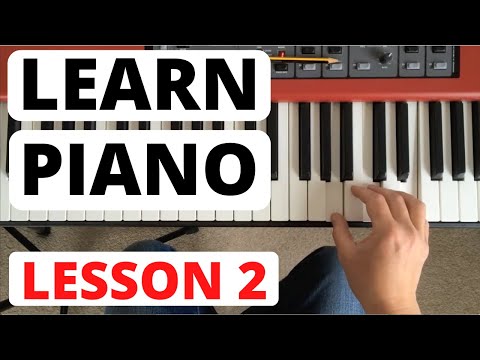
- Keyboard orientation: Learning the arrangement of white and black keys, identifying groups of twos and threes, and locating middle C.
- Hand posture and finger numbering: Understanding how to curve your fingers naturally and assigning numbers to each finger (thumb is 1, pinky is 5).
- Basic rhythm and counting: Introducing beats, measures, and simple time signatures like 4/4.
- First notes and simple melodies: Playing a basic exercise or a short, recognizable tune like “Ode to Joy” to build early confidence.
- Introduction to the musical alphabet: Learning the notes A through G and how they correspond to keys on the piano.
Private piano lessons during this stage are invaluable because the instructor can immediately correct bad habits that, if left unchecked, become deeply ingrained and difficult to fix later.
Finding the Best Piano Teacher for Beginners
Selecting the right instructor is one of the most impactful decisions in your beginning piano journey. A great teacher not only teaches technique but also inspires motivation and provides structured feedback. Consider these factors when searching for piano lessons for beginners:
Private vs. Group Lessons
Private lessons offer a customized curriculum and undivided attention, making them ideal for students who want rapid progress. Group lessons, on the other hand, provide a social learning environment that many beginners—especially children—find encouraging and fun. Both formats have merit, and the best choice depends on your learning style and budget.
Online vs. In-Person Piano Instruction
Online piano lessons have exploded in popularity, especially since 2020. Platforms like Simply Piano, Flowkey, and Pianote offer structured courses for beginners that adapt to your pace. However, in-person instruction remains the gold standard for correcting posture, hand position, and nuanced technique in real time. Many students now combine both approaches—taking online courses for daily practice and scheduling periodic in-person sessions for detailed feedback.
Essential Skills Every Beginner Pianist Must Develop
As you progress through your first few months of piano instruction, focus on building these core competencies:
1. Sight-Reading Basics
Sight-reading is the ability to play a piece of music you have never seen before. For beginners, this starts with recognizing note positions on the treble and bass clefs and translating them to the correct keys. Consistent daily practice—even just five minutes of sight-reading exercises—builds fluency faster than almost any other skill.
2. Proper Technique and Hand Position
Developing correct technique from the start prevents injury and sets the stage for advanced playing. Key elements include curved fingers, relaxed wrists, and using arm weight rather than finger tension to produce sound. A beginner piano lesson should always dedicate time to technique drills such as scales and arpeggios.
3. Music Theory Fundamentals
Understanding basic music theory helps beginners make sense of the pieces they are learning. Concepts like intervals, chords, key signatures, and time signatures form the building blocks of musical literacy. Even at the beginning stage, incorporating theory into lessons accelerates understanding and improves sight-reading ability.
4. Consistent Practice Habits
The single most important factor in progressing through beginning piano lessons is regular practice. Experts recommend at least 15 to 30 minutes of daily practice for absolute beginners. Breaking practice sessions into focused segments—such as warm-ups, scales, repertoire, and sight-reading—keeps sessions productive and engaging.
Common Mistakes Beginners Make When Starting Piano
Even with the best teacher, beginners often fall into habits that slow their progress. Being aware of these pitfalls helps you avoid them from the start:
- Ignoring proper posture: Slouching or playing at the wrong height leads to wrist strain and inefficient technique.
- Skipping rhythm practice: Playing too fast without a steady beat creates habits that are extremely difficult to unlearn later.
- Neglecting the left hand: Many beginners favor their dominant hand, leaving the left hand underdeveloped and weak.
- Practicing without a plan: Mindless repetition does not build skill. Structured, goal-oriented practice is essential.
- Comparing progress to others: Every learner moves at a different pace. Comparing yourself to someone who has been playing for years leads to frustration and discouragement.
How to Set Realistic Goals for Your Piano Journey
Goal setting is a powerful tool for staying motivated during beginning piano lessons. Instead of vague aspirations like “I want to be good at piano,” set specific, measurable milestones. For example, aim to play a complete beginner piece by the end of month one, or master the C major scale with both hands by month three.
Consider using the SMART goal framework:
- Specific: “I will learn to play ‘Chopsticks’ hands together.”
- Measurable: “I will practice the piece three times without mistakes.”
- Achievable: “This is a simple piece suitable for my current level.”
- Relevant: “Learning this piece strengthens my coordination between both hands.”
- Time-bound: “I will achieve this within four weeks.”
Tracking your progress in a practice journal also reinforces accountability and gives you tangible evidence of improvement over time.
Cost Considerations for Beginning Piano Lessons
The cost of piano instruction varies widely depending on your location, the instructor’s credentials, and the format of lessons. On average, private piano lessons range from $40 to $80 per hour for experienced teachers. Group lessons typically cost $20 to $40 per session. Online subscription platforms usually run $10 to $30 per month, making them the most affordable option for self-directed learners.
Many teachers offer a discounted trial lesson, which is an excellent opportunity to assess their teaching style before committing to a long-term schedule.
Conclusion: Your Piano Journey Starts Today
Beginning piano lessons open the door to a world of musical expression, cognitive growth, and personal fulfillment. Whether you are a parent enrolling your child, an adult rediscovering a forgotten passion, or a complete novice curious about the keyboard, the journey starts with a single note. Choose the right instrument, find a teacher who understands your goals, practice consistently, and celebrate every small victory along the way. The piano is one of the most rewarding instruments to learn, and the best time to start is right now.
Frequently Asked Questions
What is the best age to start beginning piano lessons?
Most piano instructors recommend starting between ages five and seven for children, as this is when fine motor skills and attention span are sufficiently developed. However, there is no upper age limit—adults can begin and make excellent progress at any stage of life. The key factor is consistency and genuine interest rather than chronological age.
How long does it take to see progress in starting piano lessons for beginners?
Most beginners can play simple melodies within the first two to four weeks of consistent practice. By three months, students typically develop enough technique to play beginner-level songs with both hands. Significant proficiency usually takes one to two years of dedicated study, but progress is cumulative, and every lesson builds on the last.
Are online piano lessons effective for complete beginners?
Online piano lessons can be highly effective for beginners who are self-motivated and disciplined. Platforms like Simply Piano and Flowkey offer interactive, guided curricula that adapt to your skill level. However, the lack of real-time feedback means that developing proper technique may require supplemental guidance from an in-person instructor or periodic virtual check-ins with a qualified teacher.
Do I need to know how to read sheet music before starting piano lessons?
No. Beginning piano lessons are designed to teach music reading from scratch. Most instructors introduce note reading gradually, starting with the basics of the musical staff, clefs, and note values. By the end of the first few months, most beginners can read simple pieces with confidence.
Can I learn piano on a keyboard instead of a full-size piano?
Yes, a keyboard can serve as an excellent starting instrument for beginning piano lessons, especially if it has fully weighted keys and a minimum of 61 to 88 keys. Weighted keyboards simulate the feel of an acoustic piano and help develop the finger strength and touch sensitivity essential for progression. Many professional pianists began their journey on keyboards before transitioning to an acoustic instrument.