


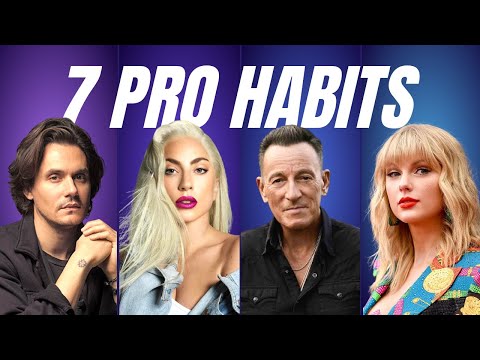
Becoming a songwriter is one of the most rewarding yet challenging creative journeys you can embark on. Whether you dream of writing chart-topping hits, crafting indie-folk ballads, or scoring the next viral TikTok track, the path to becoming a professional songwriter requires a blend of skill, discipline, and creative courage. This guide covers everything from fundamental songwriting techniques to career-building strategies that real working songwriters use every day. If you have ever sat with a guitar or a laptop and thought, “I want to write songs that move people,” this article is your roadmap.
What Does It Mean to Become a Songwriter?
A songwriter is someone who creates original musical compositions, writing both the lyrics and the melodic and harmonic structures that bring a song to life. But becoming a songwriter is not just about talent — it is about developing a craft, understanding the music industry, and building a body of work that reflects your unique voice. Professional songwriters work across genres including pop, country, R&B, hip-hop, rock, and electronic music. Many write for other artists, while others perform their own material and build audiences directly.
The modern songwriting landscape is more accessible than ever. You do not need a record deal or a conservatory degree to start. What you need is a genuine passion for storytelling through music, a willingness to learn the technical aspects of song structure, and the discipline to write consistently. Whether you are a complete beginner picking up a pen for the first time or a musician looking to sharpen your craft, the principles of effective songwriting remain the same.
Core Skills Every Aspiring Songwriter Needs
Melodic Writing and Phrasing
Strong melodic writing is the backbone of memorable songs. Your melody — the tune you hum or sing — needs to be catchy, singable, and emotionally resonant. Study how professional songwriters use intervallic leaps, stepwise motion, and rhythmic variation to create melodies that stick in listeners’ minds. Pay attention to phrasing, which is how you group notes and words rhythmically within a bar. Great phrasing mirrors natural speech patterns, making lyrics feel effortless even when the melody is complex.
Lyricism and Storytelling
Lyric writing is the art of saying something meaningful in a concise, vivid way. Strong songwriters use concrete imagery, emotional honesty, and specific details rather than vague generalizations. Instead of writing “I was sad,” a skilled lyricist writes about the cracked phone screen at 3 AM or the empty coffee cup on the counter. Developing your ability to paint pictures with words is one of the most valuable songwriting skills you can cultivate.
Harmony and Chord Progressions
Understanding chord progressions gives you the harmonic foundation for your songs. While you do not need to be a jazz theory expert, knowing how chords function — and why certain progressions evoke specific emotions — will dramatically expand your creative palette. Common progressions like I-V-vi-IV (found in countless pop hits) are great starting points, but the best songwriters learn when to break the rules.

How to Get Started as a Songwriter
The transition from aspiring songwriter to active writer is simpler than most people think. Here is a practical roadmap for getting started in songwriting:
- Write every single day. Even if it is just a single line or a rough chord progression, daily practice builds the creative muscle you need. Consistency matters more than perfection.
- Study songs you admire. Break down the structure, chord choices, and lyrical techniques of songs that move you. Identify what makes them work and experiment with applying similar techniques to your own writing.
- Learn a musical instrument. While some songwriters work exclusively with digital audio workstations (DAWs) or collaborate with instrumentalists, having at least basic piano or guitar skills gives you far more creative freedom.
- Record your ideas immediately. Use your phone’s voice memo app or a simple recording tool. Inspiration is fleeting — capture ideas before they disappear.
- Share your work and seek feedback. Join songwriting groups, attend workshops, or find a co-writer who challenges you to grow.
The Songwriting Process: From Idea to Finished Song
Step-by-Step Songwriting Workflow
Every songwriter has a unique process, but the most effective workflows follow a recognizable pattern that balances spontaneity with structure:
- Ideation: Start with a spark — a lyric fragment, a melodic idea, a chord progression, or a personal experience. Do not judge or filter at this stage.
- Development: Expand your initial idea. Experiment with different melodies, try rewriting lyrics, explore alternative chord voicings. This is where the real creative work happens.
- Structure: Arrange your song into sections — verse, pre-chorus, chorus, bridge, and outro. Each section serves a distinct purpose in building tension and release.
- Refinement: Edit ruthlessly. Cut unnecessary words, tighten your rhymes, and ensure your melody supports the emotional core of the lyric.
- Recording a Demo: Even a rough demo helps you evaluate how the song sounds in its entirety and identify areas that need improvement.
Following this structured approach does not stifle creativity — it channels it. Think of it as giving your ideas a framework to thrive within.
Songwriter vs. Lyricist: Understanding the Difference
A common point of confusion for beginners is the distinction between a songwriter and a lyricist. While the two roles overlap significantly, there are important differences:
| Aspect | Songwriter | Lyricist |
| Primary Focus | Writes both music (melody, harmony) and lyrics | Writes lyrics only; relies on a composer for music |
| Musical Training | Typically strong understanding of music theory and harmony | May have limited formal musical training |
| Creative Output | Complete songs with melody and chords | Words and verses that are set to existing or collaborator-written music |
| Industry Role | Can work independently as a full-song creator | Often collaborates with composers, producers, or beatmakers |
Many successful songwriters begin as lyricists and gradually develop their musical skills over time. The reverse is also true. What matters most is that you find the role that aligns with your strengths and interests.

How to Improve Your Songwriting Skills
Becoming a better songwriter is a lifelong pursuit. Even Grammy-winning writers continue to study and experiment throughout their careers. Here are proven strategies for leveling up your craft:
- Co-write with others. Co-writing exposes you to different perspectives, approaches, and creative instincts. Many hit songs are written by teams of two or more writers who bring complementary skills to the table.
- Study songwriting techniques. Books like “Writing Better Lyrics” by Pat Pattison and “The Songwriter’s Workshop” by Jimmy Kachulis offer structured guidance on lyric development, melody construction, and harmonic choices.
- Analyze hit songs in your genre. Listen critically to songs that are currently performing well on charts. Pay attention to verse length, chorus hooks, rhyme schemes, and emotional arcs.
- Attend songwriting workshops and retreats. In-person and virtual events connect you with other writers, provide feedback sessions, and often feature industry professionals who share insider knowledge.
- Set creative constraints. Try writing a song using only four chords, or challenge yourself to tell a complete story in under three minutes. Constraints breed creativity by forcing you to think differently.
Building a Career as a Professional Songwriter
Turning your songwriting passion into a sustainable career requires more than just writing great songs. Professional songwriters need to understand music publishing, licensing, and the business side of the industry. Here are key steps to building a songwriting career:
- Build a catalog of quality songs. Record professional-quality demos of your best work. A strong portfolio is your calling card when pitching to artists, producers, and publishers.
- Learn about music publishing and royalties. Understanding how songwriting royalties work — including mechanical royalties, performance royalties, and synchronization fees — is essential for protecting your income and negotiating fair deals.
- Network within the industry. Attend songwriter rounds, industry conferences like SXSW or Nashville Songwriters Association International (NSAI) events, and connect with producers and artists on platforms like SoundBetter or Kompoz.
- Consider joining a performing rights organization (PRO). Registering with organizations like ASCAP, BMI, or SESAC ensures you get paid when your songs are performed publicly or streamed online.
- Pitch your songs. Whether you are targeting major-label artists, independent musicians, or placement opportunities in film, TV, and advertising, proactive pitching is how songs get recorded by others.

Common Mistakes to Avoid When Becoming a Songwriter
Every songwriter makes mistakes along the way, but being aware of common pitfalls can save you years of frustration:
- Waiting for inspiration instead of showing up to write. Professional songwriters write on deadlines and when they do not feel inspired. Discipline trumps waiting for a muse.
- Overcomplicating your songs. Sometimes the simplest melody and the fewest words create the most powerful emotional impact.
- Ignoring feedback. If multiple people point out the same weakness in your songs, take it seriously and address it.
- Comparing yourself to others. Every songwriter’s journey is different. Focus on your own growth trajectory rather than measuring yourself against someone else’s timeline.
- Neglecting the business side. Understanding publishing rights, ownership splits, and royalty collection is not optional for anyone who wants to make a living from songwriting.
Frequently Asked Questions
How long does it take to become a songwriter?
There is no fixed timeline for becoming a songwriter. Some people develop their craft over months, while others spend years refining their skills. The key is consistent practice and a willingness to learn from every song you write. Many successful songwriters say it took them three to five years of dedicated effort before they felt confident in their abilities.
Do you need to play an instrument to become a songwriter?
While playing an instrument is extremely helpful — especially for understanding chord progressions and melody construction — it is not strictly required. Many songwriters today use digital audio workstations, loop stations, and collaboration tools to create music without playing a traditional instrument. What matters most is your ability to hear and shape musical ideas.
Can anyone become a songwriter?
Yes. Songwriting is a skill that can be learned and developed over time. While natural talent can give someone a head start, the writers who succeed long-term are the ones who practice consistently, study their craft, and remain open to feedback and growth. If you have ideas you want to express through music, you already have what it takes to start.
How do songwriters get paid?
Professional songwriters earn income through multiple channels, including songwriting royalties (mechanical, performance, and synchronization), upfront fees for writing songs for other artists, placement fees for music in TV, film, and advertising, and direct sales of their own recorded music. Joining a performing rights organization is essential for collecting performance royalties effectively.
What is the best genre for beginner songwriters?
There is no single “best” genre. However, pop songwriting is often recommended for beginners because it emphasizes strong melodies, clear structures, and accessible chord progressions. Starting with a genre you genuinely love will keep you motivated and help you develop your authentic voice as a writer.
Conclusion
Becoming a songwriter is a journey of continuous learning, creative exploration, and personal growth. From mastering the fundamentals of melody and lyric writing to understanding the business of music publishing, every step you take brings you closer to your goal. The most important thing you can do right now is simply start writing. Put your ideas on paper, record them, share them, and keep pushing your creative boundaries. The world always needs new songs, and there is absolutely room for your voice in the songwriter’s landscape. Pick up your instrument, open your notebook, and begin today — your future as a songwriter starts with the very first word you write.