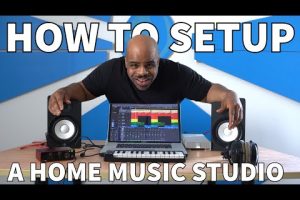
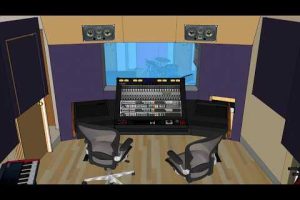
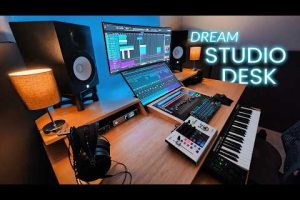
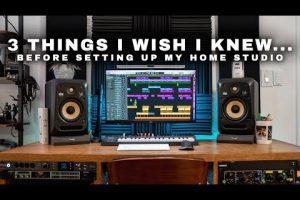
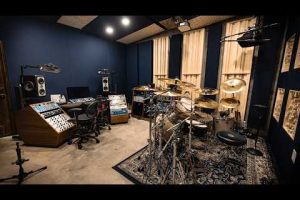
If you are thinking about buying recording equipment or software for the first time — or looking to upgrade your existing setup — you have come to the right place. The world of music production and audio recording has evolved dramatically in recent years, making it easier than ever to capture professional-quality sound from your own home. But with so many options on the market, navigating the process of buying recording gear can feel overwhelming. Which microphone is right for your voice? What audio interface should you pair with your computer? And how do you choose a digital audio workstation (DAW) that fits your workflow and budget? This guide breaks it all down, from essential beginner gear to advanced setups for seasoned engineers and producers.
What to Consider Before You Buy Recording Equipment
Before you spend a single dollar, take a moment to define your recording goals. Are you building a home studio for podcasting? Are you a singer-songwriter capturing demos? Or are you a professional mixing and mastering tracks for commercial release? Your answer to this question shapes every purchase decision you make. Consider the following factors first:
- Your recording environment: A untreated bedroom sounds very different from a dedicated studio booth. Your room acoustics influence which microphones and monitors you should invest in.
- Your budget: Setting a realistic budget prevents overspending and helps you prioritize the gear that matters most.
- Your experience level: Beginners benefit from simple, all-in-one setups, while advanced users may prefer modular, customizable configurations.
- Your preferred workflow: Do you prefer hardware mixing consoles, or are you comfortable working entirely inside software?
Understanding Your Recording Needs
The single biggest mistake people make when they decide to buy recording equipment is purchasing gear based on brand hype rather than actual need. A top-of-the-line condenser microphone is useless if you are recording loud rock drums in an untreated room. Likewise, an elaborate mixing console may gather dust if you primarily produce electronic music inside a DAW. Start by mapping out your typical recording sessions — the instruments, the genres, the number of simultaneous sources — and let that guide your shopping list.
Essential Gear to Buy for Recording at Home

For most home recording setups, there are five core categories of equipment you will need. Here is a detailed look at each one.
Audio Interfaces
An audio interface is the bridge between your microphones, instruments, and your computer. It converts analog signals into digital data and vice versa. When buying recording interfaces, pay attention to the number of input channels, preamp quality, connectivity (USB, Thunderbolt, or PCIe), and supported sample rates. Popular options include the Focusrite Scarlett Solo for solo artists, the Audient iD4 for clean preamps, and the Universal Audio Apollo for those who want built-in DSP processing.
Microphones
Microphones are arguably the most important piece of gear you will buy for recording. The three main types are:
- Condenser microphones: Best for vocals, acoustic guitars, and detail-rich sources. Examples include the Audio-Technica AT2020 and the Neumann TLM 103.
- Dynamic microphones: Rugged and versatile, ideal for loud sources like guitar amplifiers and live vocals. The Shure SM7B remains a gold standard.
- Ribbon microphones: Warm and smooth, prized for their vintage character on brass, strings, and room ambience.
Monitoring and Accessories
Do not underestimate the importance of studio monitors and headphones. Nearfield monitors like the Yamaha HS5 or KRK Rokit 5 give you an accurate picture of your mix. Closed-back headphones such as the Audio-Technica ATH-M50x are essential for tracking without bleed. Other accessories worth budgeting for include XLR cables, pop filters, mic stands, acoustic treatment panels, and a reliable audio cable management system.
| Category | Beginner Pick | Intermediate Pick | Advanced Pick |
| Audio Interface | Focusrite Scarlett Solo | Audient iD14 | Universal Audio Apollo x4 |
| Microphone (Vocal) | Audio-Technica AT2020 | Shure SM7B | Neumann U87 Ai |
| Studio Monitors | PreSonus Eris E3.5 | Yamaha HS5 | Neumann KH 310 |
| Headphones | Sony MDR-7506 | Audio-Technica ATH-M50x | Sennheiser HD 650 |
| DAW Software | GarageBand (Free) | Reaper ($60) | Logic Pro X ($199) |
Buying Recording Software: DAWs Explained
Your digital audio workstation is the heart of any modern recording setup. When you buy recording software, you are choosing the environment where you will record, edit, mix, and master every project. The right DAW depends on your musical style, operating system preference, and long-term goals.
Top DAWs Compared
GarageBand is the go-to for beginners on a Mac — it is free, intuitive, and surprisingly capable. Reaper offers incredible value at just $60, with a fully functional trial that never expires. Logic Pro X is a professional-grade DAW for Mac users, packed with an enormous library of virtual instruments and effects. On the Windows side, FL Studio dominates the hip-hop and electronic production scenes, while Ableton Live is the industry standard for live performance and electronic music creation. Pro Tools remains the most widely used DAW in commercial recording studios worldwide.
Best Places to Buy Recording Equipment Online
Where you buy recording gear matters just as much as what you buy. Authorized retailers offer warranties, return policies, and genuine products. Some of the most trusted online stores include Sweetwater, B&H Photo, Thomann, and Guitar Center. Always verify that the seller is an authorized distributor to avoid counterfeit or refurbished units sold as new. Additionally, keep an eye out for seasonal sales events like Black Friday and Back to School promotions, where significant discounts on popular recording equipment are common.
Expert Tips for Getting the Best Value
Buying recording equipment does not have to drain your wallet. Here are proven strategies to maximize your investment:
- Buy refurbished: Many authorized dealers sell factory-refurbished gear with full warranties at 30 to 50 percent off retail price.
- Prioritize quality over quantity: One excellent microphone and a decent interface will outperform a drawer full of mediocre gear.
- Invest in acoustics first: A $200 acoustic treatment kit can dramatically improve the sound of a budget microphone far more than upgrading to an expensive mic would.
- Read reviews from trusted sources: Websites like Sound On Sound, Recording Magazine, and independent YouTube reviewers provide honest, hands-on evaluations.
- Consider bundles: Many manufacturers offer starter bundles that include a microphone, interface, cables, and software at a bundled discount.
FAQ: Common Questions About Buying Recording Equipment
What is the best way to buy recording equipment for a complete beginner?
The best approach for a beginner is to start with a simple, focused setup: one audio interface, one versatile microphone, a pair of studio monitors, and a user-friendly DAW. Avoid the temptation to buy everything at once. Start small, learn your gear inside and out, and upgrade gradually as your skills and needs evolve.
How much should I budget when I buy recording gear for a home studio?
A functional home recording setup can be built for anywhere between $300 and $1,000. A typical budget-friendly configuration includes a Focusrite Scarlett Solo interface ($120), an Audio-Technica AT2020 microphone ($100), a pair of budget studio monitors ($150), cables and accessories ($50), and a DAW like Reaper ($60 or free with GarageBand). Professional-grade setups can easily exceed $5,000, but that level of investment is only necessary for commercial studio operators.
Should I buy recording equipment new or used?
Both options have merit. Buying used can save you significant money, especially on higher-end gear like premium microphones and vintage compressors. However, always inspect used equipment thoroughly or purchase from platforms with buyer protection. Buying new from authorized dealers guarantees warranty coverage and ensures you are getting genuine, unopened products.

Which microphone should I buy first for recording vocals?
For most beginner vocalists, a large-diaphragm condenser microphone is the ideal first choice. The Audio-Technica AT2020 and the Rode NT1-A are widely recommended as affordable yet professional options. If you plan to record louder sources like amplified guitar or perform live, a dynamic microphone like the Shure SM58 or SM7B is the smarter starting point.
Can I buy recording software and equipment separately, or should I look for bundles?
You can absolutely purchase software and hardware separately, and doing so gives you the flexibility to choose the best options in each category. However, many manufacturers offer attractive bundles — for example, purchasing a Focusrite interface often comes with a free copy of Pro Tools or Ableton Live Lite. These bundles can save you $100 to $300, making them an excellent value for budget-conscious buyers.
Final Thoughts
Buying recording equipment and software is an exciting journey, but it should be approached with intention and research. Define your goals, understand your environment, and invest in gear that genuinely serves your creative vision. Whether you are spending $300 on your first home studio or $10,000 on a professional setup, the principles remain the same: quality over quantity, compatibility over trends, and continuous learning over shortcuts. Start with the essentials, refine your skills, and let your evolving craft guide every future purchase. The best recording setup is not the most expensive one — it is the one that helps you bring your ideas to life with clarity, confidence, and creativity.