Whether you are a musician setting up your first home studio, a content creator looking to elevate your production quality, or an event planner organizing a live gathering, choosing the right audio sound equipment can make or break the entire experience. The world of professional and consumer-grade audio gear has evolved dramatically over the past decade, and understanding what goes into a sound system is no longer reserved for audiophiles and sound engineers alone. From microphones and speakers to mixing consoles and acoustic treatment panels, every component plays a critical role in how sound is captured, processed, and delivered to listeners. In this comprehensive guide, we will walk you through everything you need to know about audio sound equipment — from the basics that every beginner should understand to the advanced strategies that seasoned professionals swear by. You will learn about the different types of gear available, how to choose the right configuration for your needs, and expert tips that will help you get the best possible performance out of your setup.
Understanding Audio Sound Equipment: What It Really Means
At its core, audio sound equipment refers to the collection of devices and accessories used to capture, amplify, process, and reproduce sound. This broad definition encompasses everything from a simple pair of headphones to a full-blown live sound reinforcement rig. The term “sound equipment” covers both analog and digital tools, each serving specific purposes depending on the application. When people talk about audio gear, they are usually referring to one of three broad categories: studio equipment, live performance equipment, and consumer-grade audio products. Understanding the distinction between these categories is the first step toward building a setup that truly meets your goals.
Why Audio Quality Matters
Sound quality is not just about loudness or bass depth. It involves frequency response, signal-to-noise ratio, dynamic range, and clarity across the entire audible spectrum. Poor-quality audio equipment introduces distortion, muddiness, and unwanted noise that can ruin a recording, make a speech unintelligible, or turn a live performance into a frustrating experience. Investing in quality sound reinforcement systems ensures that every nuance of the audio signal is preserved from source to listener.
Types of Audio Sound Equipment You Should Know
The audio equipment market offers an enormous variety of products, each designed for specific tasks. Below is a breakdown of the most essential categories that every sound enthusiast should be familiar with.

Microphones
Microphones are the entry point for virtually all sound recording and reinforcement systems. The two dominant types are dynamic microphones and condenser microphones. Dynamic mics are rugged and handle high sound pressure levels, making them ideal for live vocals and guitar amplifiers. Condenser mics, on the other hand, offer greater sensitivity and detail, which is why they are the go-to choice for studio vocal tracking and acoustic instruments.
Speakers and Monitors
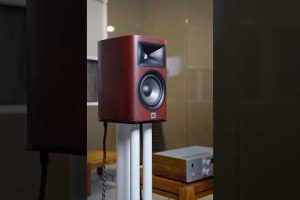
Speakers convert electrical signals back into audible sound waves. In studio environments, studio monitors provide a flat frequency response so engineers can hear exactly what is in the mix. For live events, PA speakers and line array systems deliver powerful, even coverage across large venues. Bookshelf speakers and floor-standing models are common choices for home audio enthusiasts.
Mixing Consoles and Audio Interfaces
A mixing console allows you to combine, adjust levels, and apply effects to multiple audio sources simultaneously. Modern audio interfaces bridge the gap between analog signals and digital workstations, converting incoming audio into digital data that your computer can process. For beginners, an all-in-one mixer with a built-in interface offers simplicity, while advanced users often prefer standalone interfaces for maximum flexibility.
Amplifiers and Processors
Power amplifiers boost the audio signal to drive speakers effectively. Signal processors — including equalizers, compressors, reverb units, and digital signal processors (DSP) — shape the character of the sound. These tools are essential for achieving professional-quality output in both studio and live environments.
Key Components of a Complete Sound System
A well-designed sound system is more than just a collection of individual pieces of gear. Every component must work in harmony to deliver clean, balanced audio. Below is a comparison table of the essential components and their primary functions.
| Component | Function | Common Use Case |
| Microphone | Captures sound and converts it to electrical signal | Vocal recording, live events, podcasting |
| Audio Interface | Converts analog signals to digital and vice versa | Home studio, music production |
| Mixing Console | Combines and adjusts multiple audio channels | Live sound, broadcasting, recording |
| Power Amplifier | Boosts signal strength to drive speakers | Live performances, large venues |
| Studio Monitors | Reproduces sound accurately for mixing and mastering | Music production, post-production |
| Equalizer / Processor | Shapes frequency response and dynamics | Sound tuning, feedback control |
| Cables and Connectors | Transfers audio signal between devices | All setups |
| Acoustic Treatment | Controls room reflections and resonances | Studio rooms, home theaters |
How to Choose the Right Audio Sound Equipment for Your Needs

Selecting the right gear depends on several factors, including your budget, the intended application, the size of your space, and your level of experience. Here is a breakdown tailored to different skill levels.
For Beginners
If you are just starting out, focus on a versatile, budget-friendly setup. A basic condenser microphone, a simple USB audio interface, a pair of nearfield studio monitors, and free or affordable digital audio workstation (DAW) software will give you everything you need to record and produce music at home. Look for beginner-friendly equipment bundles that include accessories like pop filters, XLR cables, and headphone amplifiers.
For Intermediate Users
At the intermediate level, you should start investing in higher-quality components and expand your signal chain. Consider a dedicated analog mixing console, premium large-diaphragm condenser microphones, external hardware processors like compressors and reverb units, and acoustic treatment panels for your recording space. This is also the stage where you begin developing your ear for detail and learning how each piece of equipment affects the final sound.
For Advanced Professionals
Professionals require custom-configured systems tailored to specific environments. This may include line array speaker systems for live tours, high-end ribbon microphones for studio recordings, dedicated DSP platforms for real-time processing, and multi-channel audio interfaces supporting ultra-low latency. Advanced users also prioritize redundancy, modularity, and scalability in their sound reinforcement setups.
Expert Tips for Optimizing Your Sound Equipment Setup
- Always prioritize cable quality. Cheap cables introduce interference and signal loss, no matter how expensive your other gear is. Use shielded, oxygen-free copper cables for critical connections.
- Treat your room before you buy more gear. Acoustic panels and bass traps dramatically improve sound clarity and eliminate standing waves that muddy your mixes.
- Calibrate your monitors at ear level. Positioning speakers correctly relative to your listening position ensures an accurate stereo image.
- Use a phase alignment tool when combining multiple microphones. Phase cancellation is one of the most common causes of thin, weak-sounding recordings.
- Invest in proper gain staging. Setting appropriate input levels at every stage of your signal chain prevents noise buildup and distortion.
- Keep firmware and drivers updated. Digital audio interfaces and mixers frequently release updates that improve performance and fix compatibility issues.
Comparison: Analog vs. Digital Audio Equipment
| Feature | Analog Equipment | Digital Equipment |
| Signal Path | Continuous electrical waveform | Discrete digital samples |
| Warmth and Character | Rich harmonic saturation | Clean, precise, transparent |
| Recall and Automation | Limited or none | Full preset recall and automation |
| Portability | Bulkier, heavier | Compact, integrates with DAWs |
| Cost | Higher for vintage/rare units | Wider range, often more affordable |
| Maintenance | May require tube replacement | Firmware updates, minimal upkeep |
Many modern professionals use a hybrid approach, combining the warmth of analog preamps and compressors with the convenience and recall capabilities of digital consoles and software plugins. This blended methodology gives engineers the best of both worlds.
Conclusion
Audio sound equipment is a vast and fascinating field that rewards curiosity, research, and careful investment. Whether you are building a simple podcasting rig or a world-class live sound system, understanding how each component functions and how it interacts with the others is the key to achieving outstanding results. Start with your core needs, grow your setup gradually, and never underestimate the power of proper room acoustics and signal chain management. The right combination of microphones, monitors, processors, and cables will transform the way you create, perform, and experience sound.
Frequently Asked Questions
What is the best audio sound equipment for a home studio on a budget?
For a budget home studio, consider a USB condenser microphone such as the Audio-Technica AT2020, a Focusrite Scarlett Solo audio interface, a pair of Yamaha HS5 studio monitors, and basic acoustic foam panels. This combination delivers professional-quality results without exceeding a modest budget.
Do I need a mixing console if I am using a digital audio workstation?
Not necessarily. A digital audio workstation (DAW) can handle multitrack mixing internally using software plugins and virtual channels. However, a physical mixing console offers tactile control, faster workflow for live situations, and a satisfying hands-on experience that many producers and sound engineers prefer.
What is the difference between studio monitors and regular speakers?
Studio monitors are designed to reproduce sound as accurately and flatly as possible, without coloring the audio with boosted bass or treble. Regular consumer speakers, by contrast, often emphasize certain frequencies to make music sound more exciting. For mixing and critical listening, studio monitors are the clear choice.
How often should I replace my audio cables and connectors?
High-quality cables can last many years if stored properly and handled carefully. However, you should inspect them regularly for fraying, bent connectors, or intermittent signal loss. Replace any cable that shows visible damage or causes noise in your signal chain.
Can I use live audio equipment for studio recording?
Yes, many live sound components — such as quality microphones, equalizers, and compressors — translate exceptionally well into studio environments. The key difference is that studio equipment prioritizes accuracy and transparency, while live gear is often built for durability and high-output performance. Understanding the intended use case of each piece of equipment will guide your purchasing decisions.