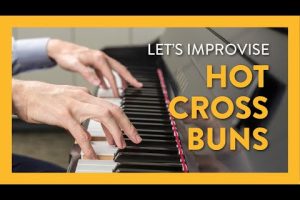
Learning to play the piano is one of the most rewarding musical journeys you can embark on, and the good news is that you no longer need to spend hundreds of dollars on private instructors or expensive courses to get started. Today, free piano classes for beginners are more accessible than ever, thanks to a wealth of online resources, interactive platforms, and community-driven learning tools that make piano education available to anyone with an internet connection and a desire to learn. Whether you want to play classical compositions, jazz improvisation, pop songs, or simply explore music as a creative outlet, the digital landscape offers a treasure trove of opportunities to build your skills from the very first day.
Why Free Piano Classes for Beginners Are More Accessible Than Ever
The democratization of online education has transformed how millions of people around the world learn musical instruments. A decade ago, finding quality piano instruction without financial investment was a significant challenge. Today, platforms like YouTube, Coursera, and various dedicated music education websites offer structured beginner piano lessons that rival the quality of traditional in-person instruction. The rise of free piano classes has opened doors for aspiring musicians of all ages, backgrounds, and skill levels, making music education inclusive and barrier-free.
What makes these resources particularly powerful is the combination of visual demonstrations, audio examples, and interactive feedback that many platforms now provide. You can pause, rewind, and repeat any lesson as many times as you need, creating a personalized learning pace that fits your schedule and learning style. This flexibility is one of the biggest advantages of digital piano education, and it is why so many beginners are turning to free resources to kickstart their musical journey.

Best Platforms Offering Free Piano Lessons for Beginners
When it comes to learning piano at no cost, the options available today are genuinely impressive. Here is a closer look at the most reliable and effective platforms where you can find high-quality beginner piano classes.
YouTube Channels for Learning Piano
YouTube remains the single most popular destination for free piano instruction, and for good reason. Channels like Pianote, PianoTV, and Hoffman Academy offer structured lesson series designed specifically for complete beginners. These channels cover everything from understanding the layout of the keyboard and reading sheet music to playing your first songs and exploring more complex techniques over time.
What sets the best YouTube piano channels apart is their ability to break down complex musical concepts into digestible, easy-to-follow segments. Many creators use close-up camera angles so you can clearly see finger placement, hand posture, and pedal techniques. Some channels even offer downloadable sheet music and practice exercises to supplement their video lessons, giving you a well-rounded learning experience entirely for free.
Interactive Websites and Apps
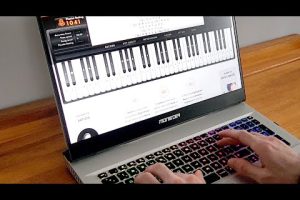
Beyond YouTube, several websites and apps provide structured free piano courses that include progress tracking, interactive quizzes, and gamified learning experiences. Flowkey offers a selection of beginner lessons at no cost, allowing you to play along with songs in real time while the app listens and provides feedback on your accuracy. Musescore is another excellent resource, offering a vast library of free sheet music alongside beginner-friendly tutorials.
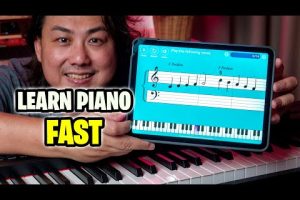
Apps like Simply Piano and Perfect Piano also provide introductory lessons for free, making them ideal for absolute beginners who want to learn at their own pace on a mobile device. These apps use technology to listen to your playing and guide you through corrections, simulating the experience of having a teacher right beside you.
How to Structure Your Free Piano Learning Journey
One of the most important factors in succeeding with free piano classes is having a clear learning structure. Without a roadmap, it is easy to feel overwhelmed or lose motivation. Below is a practical framework that covers beginner, intermediate, and advanced stages of piano learning.
Beginner Stage: Building the Foundation
During the first few weeks of your piano journey, focus on the fundamentals that will serve as the bedrock of all future progress:
- Learn the layout of the piano keyboard and the names of each note
- Understand proper hand positioning and finger numbering
- Practice reading basic sheet music and rhythmic notation
- Start with simple five-finger exercises and easy melodies like “Ode to Joy” or “Chopsticks”
- Develop a consistent daily practice routine of at least 15 to 20 minutes
Intermediate Stage: Expanding Your Skills
Once you are comfortable with basic note reading and simple songs, it is time to level up:
- Explore major and minor scales across the full keyboard
- Learn basic chords and understand how they form the building blocks of harmony
- Start playing songs with both hands independently and then together
- Experiment with different musical genres to discover your personal style
- Begin practicing simple sight-reading exercises to improve fluency
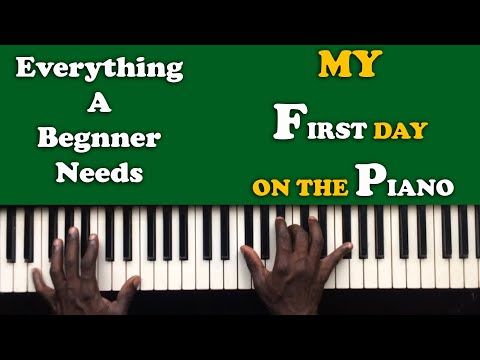
Advanced Stage: Refining Technique and Expression
As you progress, focus shifts toward musicality, speed, and expressiveness:
- Tackle more complex pieces that require advanced finger dexterity
- Study dynamics, phrasing, and interpretive techniques
- Learn to play by ear and improvise over chord progressions
- Explore pedal techniques and sustain management for richer sound
- Consider joining online communities or virtual ensembles for collaborative playing
Comparison of Popular Free Piano Learning Platforms
Choosing the right platform depends on your learning style, goals, and the type of device you prefer to use. The table below compares some of the most popular free piano learning resources to help you make an informed decision.
| Platform | Format | Best For | Interactive Feedback | Cost |
| YouTube (Pianote, PianoTV) | Video Lessons | Visual learners, structured series | No | Free |
| Hoffman Academy | Video + PDF | Children and absolute beginners | Limited (free tier) | Free (premium available) |
| Flowkey | Interactive App | Hands-on practice with real-time feedback | Yes (select free songs) | Free tier available |
| Musescore | Sheet Music Library | Reading sheet music and repertoire | No | Free |
| Simply Piano | Mobile App | Beginners learning on the go | Yes (limited free lessons) | Free trial, then paid |
Expert Tips for Succeeding with Free Piano Classes
Transitioning from zero experience to confident piano player requires more than just finding the right resources — it demands discipline, patience, and smart practice strategies. Here are some expert-backed tips to maximize your progress with free piano lessons.
1. Set specific, measurable goals. Instead of vaguely saying “I want to learn piano,” set concrete targets like “I will learn to play three simple songs within 30 days.” Measurable goals keep you motivated and give you a clear sense of accomplishment as you reach each milestone.
2. Prioritize consistency over duration. Practicing for 20 minutes every single day is far more effective than practicing for two hours once a week. Your brain builds neural pathways through repetition, and daily consistency reinforces muscle memory and music theory retention.
3. Record yourself regularly. Listening to recordings of your own playing helps you identify areas for improvement that you might not notice in real time. It is also incredibly satisfying to hear how much you have progressed over weeks and months.
4. Do not skip warm-up exercises. Finger exercises, scales, and arpeggios might seem tedious, but they are essential for building dexterity, strength, and familiarity with the keyboard. Treat them as non-negotiable parts of your practice routine.
5. Engage with online communities. Platforms like Reddit’s r/piano, Facebook piano groups, and Discord servers for musicians provide invaluable support, feedback, and accountability. Learning alongside others who share your passion makes the journey more enjoyable and sustainable.
6. Invest in a decent instrument. While you can technically learn on a keyboard, having access to an 88-key weighted digital piano or an acoustic piano significantly enhances your learning experience and prepares you for real-world performance settings.
Frequently Asked Questions
Can I become proficient at piano using only free classes?
Absolutely. Many self-taught pianists have reached advanced levels using only free online resources, provided they follow a structured curriculum, practice consistently, and supplement their learning with sheet music and community feedback. Free piano classes cover all the essential techniques and music theory needed for proficiency.
How long does it take to learn piano as a complete beginner with free resources?
Most beginners can play simple songs within four to six weeks of consistent daily practice. Achieving intermediate fluency typically takes six to twelve months, while reaching an advanced level may take two to three years of dedicated study. The timeline varies based on practice frequency, natural aptitude, and the quality of resources used.
Do I need a full-size piano to start free beginner lessons?
No, a 61-key or 76-key keyboard is perfectly sufficient for starting beginner lessons. Many free online courses teach on standard-sized keyboards. However, transitioning to an 88-key weighted instrument is recommended as you progress to intermediate and advanced levels for a more authentic playing experience.
What is the best age to start free piano classes for beginners?
There is no ideal age — children as young as four can begin with programs like Hoffman Academy, while adults of any age can benefit from platforms like Flowkey or YouTube tutorials. The most important factor is consistent practice and genuine interest, not age or prior musical experience.
Are there free piano classes that provide certificates or formal recognition?
Some platforms like Coursera occasionally offer free piano courses with optional paid certificates. Most free YouTube channels and apps do not provide formal credentials, but the skills and knowledge you gain are the same. What matters most in piano learning is your ability to play, not the certificate on the wall.
Conclusion
The world of free piano classes for beginners has never been richer or more accessible. From structured YouTube lesson series and interactive apps to comprehensive websites and supportive online communities, the resources available today make it entirely possible to learn piano at no financial cost. The key to success lies in choosing the right combination of platforms that match your learning style, setting clear goals, and committing to a consistent practice schedule. Whether your dream is to perform classical concertos, accompany singers, or simply play your favorite songs for friends and family, the journey starts with a single key. So sit down at your keyboard, find a lesson that resonates with you, and begin your piano adventure today — because the best time to start learning was yesterday, and the next best time is right now.