The internet has revolutionized virtually every industry, and learning to play the piano is no exception. Today, aspiring musicians of all ages and skill levels can access free internet piano lessons from world-class instructors without spending a dime. Whether you have an acoustic piano, a digital keyboard, or even a virtual piano app on your phone, the resources available online make it entirely possible to develop real musicianship skills from the comfort of your home. Gone are the days when expensive private tutors or pricey music schools were the only path to piano proficiency. With dedication, the right strategy, and high-quality free content, you can progress from a complete beginner to a confident player. In this comprehensive guide, we explore the best free online piano resources, break down what you need to know at every skill level, and share expert tips that will accelerate your learning journey.
Why Free Internet Piano Lessons Are Transforming Music Education
The rise of free online piano instruction has democratized music education in a way that was unimaginable just two decades ago. Traditionally, piano lessons required a significant financial commitment. Private instructors in major cities often charged between $40 and $100 per hour, and group classes added their own costs. For many talented individuals, financial barriers stood between them and their musical dreams. Today, that landscape has shifted dramatically.
Free piano tutorials on the web offer several compelling advantages. First, they provide unlimited access to structured curricula created by experienced musicians and educators. Second, learners can study at their own pace, revisiting challenging passages as many times as needed. Third, the sheer volume of content available means that no matter your musical preference — classical, jazz, pop, blues, or gospel — you can find tailored instruction that matches your interests. This flexibility and accessibility have made learn piano free a realistic goal for millions of people worldwide.
How to Find the Best Free Piano Lessons Online
Not all free content is created equal. The internet is flooded with piano tutorials of varying quality, and knowing where to invest your time is crucial. Here are the most reliable sources for high-quality free keyboard lessons:
YouTube Channels and Video Tutorials
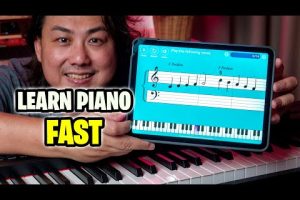
YouTube remains the single most powerful platform for free piano education. Channels like Pianote, PianoTV, and HDpiano offer professionally produced series that walk beginners through fundamentals such as hand positioning, reading sheet music, and playing your first chords. More advanced players benefit from jazz improvisation breakdowns, sight-reading sessions, and performance commentary from professional pianists.
When selecting YouTube tutorials, look for channels that provide structured playlists rather than random standalone videos. Structured series help you build knowledge sequentially, preventing the gaps in understanding that commonly derail self-taught players.
Interactive Websites and Apps
Several websites offer free music education through interactive tools. Platforms like MuseScore provide free notation software where you can practice writing and reading music. Some websites feature virtual pianos with guided lessons that highlight which keys to press in real time, making them especially useful for visual learners.
Mobile apps also deserve attention. Many apps offer free tiers that include foundational lessons, rhythm trainers, and ear development exercises. While premium features often require payment, the free versions typically provide enough material to sustain months of meaningful practice.
Free Piano Lessons for Beginners: Building a Strong Foundation
If you are starting from scratch, the first few weeks of your journey are critical. A poor foundation in technique leads to bad habits that become increasingly difficult to correct. The best online piano tutorials for beginners focus on the following core skills:

- Proper sitting posture and hand position. Learning to sit at the correct height and distance from the keyboard prevents tension and injury.
- Understanding the keyboard layout. Familiarize yourself with the pattern of black and white keys, octaves, and the musical alphabet.
- Finger numbering and independence. Each finger is assigned a number, and early exercises train each finger to move independently.
- Basic rhythm and counting. Understanding whole notes, half notes, quarter notes, and rests gives you the temporal framework for playing any piece.
- Reading simple sheet music. Starting with treble clef melodies before introducing bass clef builds confidence gradually.
Numbered practice routines work exceptionally well for beginners. Start with five minutes of finger exercises, spend ten minutes on a new concept, and finish with five minutes playing something enjoyable. This balanced approach keeps practice sessions productive without causing fatigue.
Avoiding Common Beginner Mistakes
Many self-taught pianists make avoidable errors early on. Skipping music theory, ignoring proper hand shape, and playing too fast before mastering slow tempos are among the most frequent pitfalls. The key is patience. Free internet piano lessons make it tempting to jump ahead to songs you recognize, but investing time in fundamentals will pay exponential dividends later.
Intermediate and Advanced Free Resources for Continued Growth
Once you have mastered the basics, the world of free piano instruction web-based opens up significantly. Intermediate learners should focus on expanding their chord vocabulary, understanding chord progressions, and developing the ability to play by ear. Advanced players benefit from in-depth analysis of harmonic theory, improvisation frameworks, and performance technique refinement.
Music Theory and Composition
Understanding why notes work together is what separates a note-by-note player from a true musician. Free resources covering scales, intervals, chord construction, and song structure are abundant online. Websites like Open Music Theory offer complete textbooks free of charge, covering everything from basic triads to advanced jazz harmony.
Improvisation and Play-by-Ear Development
Improvisation is one of the most rewarding skills a pianist can develop. Many free tutorials guide you through blues scales, pentatonic patterns, and simple jazz improvisation over common chord progressions. Ear training exercises, such as transcribing melodies by listening repeatedly, sharpen your musical intuition over time.
Comparing Free vs. Paid Online Piano Programs
While this article focuses on free resources, it is worth understanding what paid programs offer so you can make informed decisions about your learning path.
| Feature | Free Programs | Paid Programs |
| Cost | $0 | $15–$50/month |
| Curriculum Structure | Varies; often self-directed | Usually highly structured |
| Personalized Feedback | Rarely available | Often included |
| Content Depth | Extensive but fragmented | Comprehensive and cohesive |
| Community Access | Forums and comment sections | Dedicated member communities |
| Flexibility | Learn any time, any pace | Sometimes scheduled |
The truth is that many dedicated learners can reach an impressive intermediate level using only free resources. Paid programs become most valuable when you need accountability, personalized corrections, and guided progression through advanced material.
Expert Tips for Maximizing Free Piano Lessons
Accessing great content is only half the equation. How you practice determines how quickly you improve. Here are strategies used by successful self-taught pianists:
- Set a consistent schedule. Even 20 minutes daily produces better results than two-hour sessions once a week. Consistency builds neural pathways faster.
- Record yourself regularly. Listening to recordings of your playing reveals issues you cannot hear in real time, such as uneven dynamics or timing inconsistencies.
- Use a metronome. Developing a strong internal sense of rhythm is essential. Start slow and gradually increase tempo only when you can play cleanly.
- Learn songs you love. Motivation sustains practice. Balance technical exercises with repertoire that excites you.
- Join online communities. Forums, Reddit groups, and social media communities dedicated to piano provide encouragement, tips, and constructive feedback.
- Cross-reference multiple sources. If one tutorial explains a concept unclearly, watch another instructor’s explanation. Different teaching styles resonate with different learners.
Frequently Asked Questions About Free Internet Piano Lessons
Can I really learn piano for free online?

Absolutely. Many professional pianists and educators offer comprehensive free curricula through YouTube, blogs, and interactive websites. While advanced specialization may eventually require paid mentorship, a strong foundation and intermediate-level proficiency are entirely achievable through free resources.
How long does it take to learn piano using free online lessons?
With consistent daily practice of 30 to 60 minutes, most beginners can play simple songs within two to three months and reach an intermediate level within one to two years. Your timeline depends on prior musical experience, the quality of resources used, and practice discipline.
Do I need a real piano, or can I use a keyboard?
A keyboard with at least 61 weighted keys is a perfectly valid starting instrument. Weighted keys simulate the feel of an acoustic piano and help develop proper finger strength. For advanced play, transitioning to a full 88-key instrument is recommended.
What is the best free website to learn piano?
There is no single best site because learning styles differ. YouTube offers unmatched variety, while interactive platforms provide structured lesson paths. Combining multiple sources — such as a YouTube series for technique, a website for music theory, and an app for ear training — creates the most well-rounded approach to free piano education.
Are free online piano lessons suitable for children?
Yes, many free programs are designed specifically for young learners. Colorful interfaces, game-based lessons, and simple song tutorials make online learning engaging for children. Parental guidance during early sessions helps ensure proper posture and practice habits.
How do I stay motivated when learning piano for free?
Motivation thrives on progress tracking and variety. Set small weekly goals, such as mastering a specific chord progression or memorizing a short piece. Celebrate milestones, play music you enjoy, and connect with other learners online to maintain enthusiasm over the long term.
Conclusion
The availability of free internet piano lessons has made it possible for anyone with curiosity and commitment to learn this beautiful instrument. From foundational basics for absolute beginners to sophisticated theory and improvisation techniques for advanced players, the web offers an extraordinary range of high-quality, no-cost educational content. By choosing reputable sources, practicing consistently, and following a structured approach, you can build genuine piano skills without financial strain. The only investment required is your time and dedication. Start today, stay patient with yourself, and enjoy the extraordinary journey of making music.