Few piano pieces capture the imagination quite like “Für Elise” by Ludwig van Beethoven. Whether you are a complete beginner looking for your first recognizable song or an intermediate player wanting to refine your technique, a Für Elise piano tutorial can unlock one of the most beloved melodies in classical music history. This timeless composition, officially known as “Bagatelle No. 25 in A minor,” has captivated audiences for nearly two centuries. In this comprehensive guide, we will walk you through everything you need to know — from reading the basic notes to adding expressive flourishes that make your performance truly shine. No matter your skill level, you will find actionable steps and expert tips to help you master this iconic piece.
Understanding “Für Elise”: Why This Piece Is So Popular for Piano Learners
Before diving into the tutorial, it helps to understand what makes “Für Elise” such a rewarding piece to learn. Composed around 1810, this bagatelle is written in A minor and features a sweeping, romantic melody that is instantly recognizable. The piece follows a rondo structure (A-B-A-C-A), which means the main theme keeps returning between contrasting sections. This structure is actually perfect for beginners because you repeat the most familiar passage multiple times, building muscle memory with each cycle.
What makes a “Für Elise piano tutorial” so effective is that the piece balances simplicity and elegance. The right hand carries the famous melody while the left hand provides a steady arpeggiated accompaniment. You do not need to be a concert pianist to play it beautifully — you just need the right guidance and consistent practice.
The A Section: The Iconic Main Theme
The A section is where most people recognize the melody immediately. It begins with the signature E-D-E-F-E-D-C motif in the right hand. The left hand plays broken A minor chords in an arpeggio pattern, which creates that cascading, emotional sound. For beginners, this section alone is an excellent starting point because the fingering is logical and repetitive.
Step-by-Step Für Elise Piano Tutorial for Beginners
Learning “Für Elise” does not happen overnight, but breaking it into manageable steps makes the process far more enjoyable. Here is a structured approach to get you started.
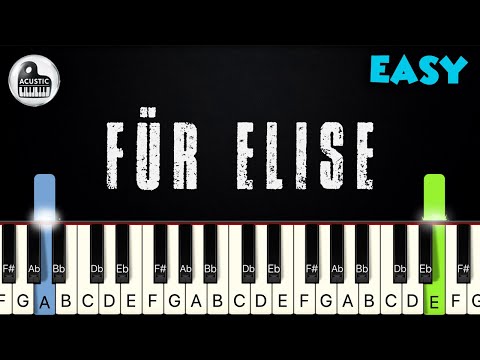
- Familiarize Yourself with the Melody — Listen to professional recordings of “Für Elise” repeatedly. Internalizing the rhythm and phrasing before you touch the keys will accelerate your learning dramatically.
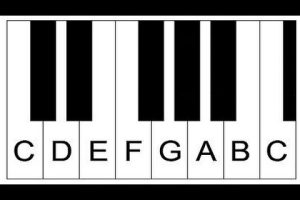
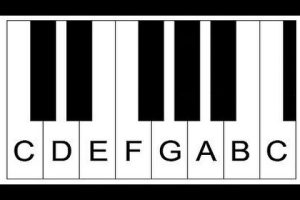
- Learn the Right-Hand Melody First — Start with the A section melody alone. Place your right thumb on E (the octave above middle C) and follow the note sequence. Practice slowly at 60 BPM using a metronome.
- Add the Left-Hand Arpeggios — Once the right hand feels comfortable, introduce the left hand separately. Focus on smooth wrist motion to create the flowing arpeggio sound characteristic of the piece.
- Combine Both Hands Slowly — This is where most beginners struggle. Start by coordinating just two or four notes at a time. Gradually increase the passage length as you gain confidence.
- Work Through the B and C Sections — The B section modulates to E major and introduces a lyrical, softer melody. The C section is more dramatic and intense. Learn these sections individually before combining them with the A section.
- Practice the Full Rondo — With all sections learned, practice the complete A-B-A-C-A form. Focus on transitions between sections to maintain a seamless performance.
Intermediate Techniques to Elevate Your Performance
Once you can play “Für Elise” from start to finish, it is time to refine your interpretation. A quality Für Elise piano tutorial for intermediate players goes beyond note accuracy and focuses on musicality.
- Dynamic Control — The A section should begin softly (piano) and gradually swell. The C section demands more volume and intensity. Practice crescendos and diminuendos consciously within each section.
- Pedaling Technique — Use the sustain pedal to connect notes smoothly, especially in the arpeggiated left-hand passages. Change the pedal at each harmonic shift to avoid muddying the sound. This is one of the most impactful skills you can develop.
- Rubato and Phrasing — Beethoven’s bagatelles were never meant to be played mechanically. Allow slight tempo fluctuations — slightly lingering on expressive notes and pushing through transitional passages — to add emotional depth.
- Voicing the Melody — Ensure the right-hand melody sits clearly above the left-hand accompaniment. Practice playing the melody notes slightly louder while keeping the arpeggios softer and more even.
Advanced Tips for Mastering “Für Elise” on Piano
For advanced pianists, the goal shifts toward interpretation, tone color, and performance polish. Here are techniques that separate a good rendition from a truly memorable one.
- Ornamentation and Embellishment — Add tasteful trills and grace notes to the melodic passages. Historically, performers of Beethoven’s era frequently improvised ornaments. A light trill on the repeated E notes in the A section adds sparkle without overwhelming the melody.
- Tone Variation — Experiment with playing the melody on slightly different parts of the key to change tonal color. Playing closer to the edge of the key produces a brighter, more cutting tone, while playing deeper in the key creates a warmer, mellower sound.
- Tempo Flexibility — Consider performing the piece at a slightly faster tempo than beginner versions (around 120-130 BPM for the A section) while maintaining complete control over every note. Speed without clarity defeats the purpose.
- Memorization — Memorize the piece to free your mind for expressive interpretation rather than note-reading. This also significantly improves your stage presence if you ever perform live.
Common Mistakes to Avoid When Learning “Für Elise”
Even enthusiastic learners fall into predictable traps. Being aware of these mistakes helps you practice more efficiently.
- Neglecting the Left Hand — Many beginners focus exclusively on the right-hand melody and neglect the left-hand arpeggios. The accompaniment is what gives “Für Elise” its characteristic richness. Dedicate equal practice time to both hands.
- Practicing Too Fast — Speed is the enemy of accuracy in the early stages. Always start slow and only increase tempo when you can play cleanly at the current speed.
- Ignoring Rhythm in the C Section — The C section features syncopated rhythms and eighth-note runs that can easily become sloppy. Use a metronome religiously for this section.
- Inconsistent Pedaling — Too much pedal creates a wash of sound; too little makes the piece sound disjointed. Practice pedal changes independently before combining them with playing.
Beginner vs. Intermediate vs. Advanced Approach Comparison
| Aspect | Beginner | Intermediate | Advanced |
| Tempo | 60-80 BPM | 80-110 BPM | 110-140 BPM |
| Focus | Note accuracy, hand coordination | Dynamics, phrasing, pedaling | Interpretation, tone color, ornamentation |
| Practice Time | 15-20 minutes daily | 25-40 minutes daily | 45-60 minutes daily |
| Hands | Separate hands, then combine | Integrated with attention to voicing | Full integration with expressive freedom |
| Memorization | Sheet music required | Partial memorization encouraged | Fully memorized |
Recommended Resources for Your “Für Elise” Journey
Finding the right supplemental materials can make a tremendous difference. Look for Für Elise sheet music that includes note letters for beginners or standard notation for more experienced players. Many online platforms offer interactive tutorials with real-time feedback on timing and accuracy. YouTube channels dedicated to piano instruction often provide visual demonstrations of hand positioning and pedaling techniques specifically for this piece.
If you prefer structured learning, consider apps that break “Für Elise” into interactive lessons with progressive difficulty levels. These tools often include slow-down features that let you practice tricky passages at reduced speeds before building back up to performance tempo.
Frequently Asked Questions About “Für Elise” Piano Tutorial
How long does it take to learn “Für Elise” on piano as a complete beginner? Most absolute beginners can play a simplified version of the A section within two to four weeks of consistent daily practice. Mastering the full piece with both hands and basic expression typically takes two to three months, depending on your prior experience and practice frequency.
What is the easiest way to find “Für Elise” sheet music for beginners? Look for simplified arrangements labeled “easy piano” or “beginner level.” These versions often reduce the left-hand arpeggios to block chords and simplify the right-hand melody. Many free printable versions are available online, and several apps offer interactive beginner sheet music with note guides embedded directly on the staff.
Should I learn “Für Elise” with or without the pedal as a beginner? Start without the pedal. Focus on playing clean, connected notes with both hands first. Once you are comfortable with the note sequences and rhythm, gradually introduce the sustain pedal. Learning pedaling too early often leads to sloppy technique and unclear sound production.
What key is “Für Elise” in, and does that matter for my tutorial? “Für Elise” is written in A minor. This is a beginner-friendly key because it uses mostly white keys with only a few accidentals. Understanding the key signature helps you anticipate which notes will be sharp or flat, making sight-reading and practice more efficient.
Can I play “Für Elise” on a digital piano or keyboard instead of an acoustic piano? Absolutely. “Für Elise” translates beautifully to digital keyboards and pianos. The piece does not require the full 88-key range of an acoustic piano — most simplified arrangements fit comfortably within a 61-key or 76-key keyboard. The key is to practice with proper finger technique regardless of the instrument.
Final Thoughts: Your Path to Playing “Für Elise” Beautifully
Mastering “Für Elise” on piano is a journey that rewards patience, consistency, and mindful practice. Whether you are just starting your piano adventure or looking to refine an already familiar piece, the principles outlined in this Für Elise piano tutorial provide a solid roadmap. Start with the fundamentals, build your skills progressively, and never underestimate the power of slow, deliberate practice. The beauty of this composition lies not just in its notes but in the emotion you bring to each performance. Pick up your sheet music, set your metronome, and let the timeless melody of Beethoven flow through your fingers. With dedication and the right approach, you will be playing “Für Elise” with confidence and expression before you know it.