Learning to play the piano has never been more accessible — and thanks to the explosion of digital resources, free piano lessons are now available to anyone with an internet connection and a keyboard. Whether you’re a complete beginner who has never touched a key, an intermediate player looking to refine your technique, or an advanced pianist searching for fresh inspiration, the internet offers a wealth of high-quality, no-cost educational content. In this comprehensive guide, we’ll explore the best places to find free piano tutorials, break down what you can expect at every skill level, and share expert strategies that will accelerate your progress without spending a dime. The journey toward musical mastery starts here.
Why Free Piano Lessons Are a Great Way to Start Your Musical Journey
One of the biggest barriers to learning piano has always been cost. Private instructors can charge anywhere from $30 to $100 or more per hour, and quality keyboard instruments represent a significant investment. Free piano lessons remove these financial obstacles entirely, making music education democratized and inclusive. But affordability isn’t the only advantage.
When you choose to learn piano free through online resources, you also gain unmatched flexibility. You can study at your own pace, revisit challenging passages as many times as needed, and learn on a schedule that fits your lifestyle. Many platforms offer structured courses that walk you through music theory, sight-reading, proper hand positioning, and repertoire — all without requiring you to step into a classroom.
Additionally, the sheer variety of styles available through free piano tutorials means you can explore classical, jazz, blues, pop, and contemporary genres. This diversity helps you discover what genuinely excites you, which is one of the strongest predictors of long-term practice habits.
Where to Find Free Piano Lessons Online
YouTube Channels and Video Tutorials
YouTube remains the single most popular destination for free music lessons, and piano content is among the most abundant on the platform. Dedicated educators have built entire libraries of tutorials spanning every topic imaginable — from “piano for absolute beginners” to advanced jazz improvisation techniques.
Some of the most respected channels for free piano tutorials include:
- PianoTV — Known for clear, well-structured beginner and intermediate lessons with a focus on popular songs.
- Hoffman Academy — An excellent resource for children and adults just starting out, with sequential lesson plans.
- Bill Hilton — Offers practical tutorials on playing by ear and improvisation, ideal for self-directed learners.
- Pianote — Provides both free YouTube content and a deeper paid platform, but the free material is genuinely substantial.
When searching for piano tutorials on YouTube, use specific queries like “free beginner piano lessons full course” or “how to learn piano step by step” to find comprehensive playlists rather than isolated videos.
Free Websites and Apps
Beyond YouTube, several websites and applications offer structured free piano lessons with interactive features:
- Musictheory.net — Perfect for understanding the theoretical foundation behind everything you play.
- Happy Notes — Provides free sheet music and beginner tutorials with note-reading practice.
- Simply Piano — Offers a free introductory course that teaches key recognition and basic melodies through interactive play.
- Synthesia — A game-like app that helps you learn songs visually using falling notes, with many free tracks included.
These platforms combine piano learning apps technology with pedagogy, making them especially effective for younger learners or those who respond well to gamification.
Free Piano Lessons for Beginners
If you’re starting from zero, your first priority should be building a solid foundation. Attempting to rush into complex pieces without understanding fundamentals is the most common mistake new pianists make. Here’s what a strong beginner curriculum should cover when you’re taking free piano lessons for beginners:
- Proper seated posture and hand position — Learning to sit at the correct height and distance from the keyboard prevents injury and enables fluid movement.
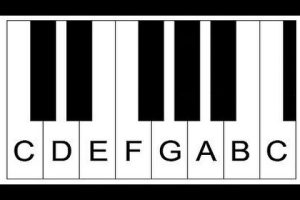
- Understanding the keyboard layout — Identify the pattern of black and white keys, locate middle C, and understand the repeating octave structure.
- Basic music notation — Learn to read treble and bass clefs, understand note values, time signatures, and key signatures.
- Finger numbering and independence — Develop dexterity through simple scales and exercises like Hanon or Czerny studies available for free online.
- Playing your first songs — Simple melodies such as “Twinkle Twinkle Little Star” or “Ode to Joy” build confidence and apply reading skills in practice.
The best free beginner piano tutorials introduce these concepts progressively, usually spreading them across four to eight weeks of structured content. Resist the urge to skip ahead — patience at this stage pays enormous dividends later.
Free Piano Lessons for Intermediate Players
Once you’ve mastered the basics, intermediate free piano tutorials open up an exciting new world of musical possibility. At this level, you should be comfortable reading sheet music, playing scales in multiple keys, and performing simple pieces with both hands together.
Key topics to explore at the intermediate stage include:
- Chord theory and voicings — Understand major, minor, diminished, and augmented chords, and learn to play them in different inversions across the keyboard.
- Accompaniment patterns — Develop left-hand patterns that support right-hand melodies, a critical skill for playing popular music.
- Dynamic expression — Use crescendos, decrescendos, staccato, and legato to bring emotional depth to your playing.
- Popular song tutorials — Many YouTube channels offer free breakdowns of hit songs, teaching you how to play recognizable arrangements.
- Introduction to improvisation — Start experimenting with creating your own melodies over chord progressions.
Intermediate learners should also begin practicing scales with both hands in contrary motion and explore arpeggios. These techniques build coordination and are essential for more advanced repertoire.
Free Piano Lessons for Advanced Pianists
Advanced players seeking free piano lessons face a different challenge: finding content that matches their sophistication level. Still, the internet offers remarkable resources for those who know where to look.
Focus your search on advanced masterclasses, free conservatory-level lectures, and in-depth analyses of repertoire. Channels and platforms covering advanced topics include:
- Free masterclass-style lectures from university music departments posted publicly online.
- Detailed score analysis videos that walk through complex compositions by Bach, Beethoven, Chopin, and Debussy.
- Advanced technique tutorials addressing octave playing, rapid arpeggios, voicing polyphonic textures, and pedal technique.
- Jazz and contemporary improvisation courses covering modes, chord substitutions, and reharmonization — many available as free multi-part series.
At this level, the key is intentional practice. Advanced pianists benefit most from targeted exercises that address specific technical weaknesses rather than playing through pieces mechanically. Record yourself regularly and critically evaluate your tone, timing, and expression.
Free vs. Paid Piano Lessons: A Comparison
While this article focuses on free resources, it’s worth understanding how they compare to paid instruction so you can make informed decisions:

| Feature | Free Piano Lessons | Paid Piano Lessons |
| Cost | $0 | $30–$100+ per hour |
| Flexibility | Learn anytime, anywhere | Scheduled sessions |
| Personalized Feedback | Limited or none | Direct instructor correction |
| Curriculum Structure | Self-directed | Usually pre-planned |
| Variety of Styles | Extensive and diverse | Depends on instructor |
| Accountability | Low (self-motivated) | High (scheduled obligations) |
| Best For | Hobbyists, casual learners | Serious, career-focused students |
The reality is that many dedicated learners combine both approaches — using free resources for daily practice and periodic paid lessons for expert feedback. This hybrid model delivers outstanding results without the full cost of traditional instruction.

Expert Tips for Getting the Most from Free Piano Lessons
Accessing free content is only half the equation. Here are proven strategies that separate casual browsers from genuinely skilled pianists:
- Set a consistent practice schedule. Even 20 minutes daily outperforms two-hour weekend sessions. Consistency builds muscle memory and neural pathways faster.
- Use a metronome. Free metronome apps help you develop rock-solid timing. Start slow and gradually increase tempo.
- Record your playing. Listening back to recordings reveals issues with timing, dynamics, and phrasing that you miss while performing.
- Focus on one skill at a time. Trying to improve sight-reading, technique, and repertoire simultaneously dilutes your effort. Dedicate separate practice blocks to each.
- Learn music theory alongside playing. Understanding why notes work together makes learning new pieces faster and deepens your musicality.
- Join online communities. Forums, Reddit groups, and social media communities dedicated to piano provide encouragement, tips, and accountability.
These practices transform passive watching into active, meaningful learning. The best free piano tutorials in the world only work if you engage with them intentionally.
Frequently Asked Questions
Can I really learn to play piano for free from home?
Yes, absolutely. Thousands of high-quality free piano tutorials are available on YouTube, dedicated websites, and learning apps. While having an acoustic piano is ideal, a digital keyboard with at least 61 keys and weighted action is sufficient for most beginner and intermediate learning. Many successful pianists today built their skills entirely through free online resources supplemented by dedicated personal practice.
What is the best free website to learn piano for beginners?
Several platforms stand out. Hoffman Academy offers a structured, sequential curriculum perfect for true beginners. Simply Piano provides an interactive app experience with a generous free tier. Musictheory.net excels at building foundational knowledge of reading music and understanding musical concepts. Combining one of these with YouTube tutorials from trusted channels like PianoTV creates a well-rounded free learning experience.
How long does it take to learn piano using free lessons?
Progress depends entirely on consistency and practice habits. Most beginners can play simple melodies with both hands within three to six months of regular daily practice. Achieving intermediate-level fluency — comfortably playing popular songs, understanding chords, and improvising — typically takes one to two years. Advanced proficiency requires years of dedicated work regardless of whether lessons are free or paid.
Are free piano tutorials as effective as private instructors?
Free tutorials excel at teaching repertoire, theory, and technique through demonstration and structured courses. However, they cannot provide the real-time personalized feedback a private instructor offers — correcting your posture, adjusting your fingering, or diagnosing bad habits. The most effective approach combines free tutorials for content delivery with periodic in-person or online lessons for expert guidance and accountability.
Do I need to read sheet music to learn piano through free lessons?
Reading sheet music is a fundamental skill that opens up the vast majority of free piano tutorial content. While some teachers focus exclusively on playing by ear, learning standard notation gives you access to centuries of composed music, online scores, and structured courses. The good news is that note-reading skills develop relatively quickly with consistent practice using free resources like Happy Notes or Musictheory.net.
What piano songs should I learn first as a beginner using free resources?
Start with simple melodies that use a limited number of notes and are repetitive. Excellent first songs include “Twinkle Twinkle Little Star,” “Ode to Joy” by Beethoven, “Mary Had a Little Lamb,” and “Happy Birthday.” These pieces build finger coordination, introduce hand-position shifts, and give you quick wins that sustain motivation. As you advance, progress to folk songs and simplified arrangements of classical pieces available as free piano sheet music on numerous websites.
Conclusion
The availability of free piano lessons today is unprecedented. From structured video courses and interactive apps to detailed masterclasses and community-driven forums, anyone with the desire to learn can access world-class piano education at no cost. The key to success lies not in the resources themselves — which are abundant and increasingly sophisticated — but in your commitment to consistent, intentional practice. Start with the fundamentals, build your foundation patiently, leverage the best free tools available, and supplement your self-study with occasional professional feedback when possible. Your piano journey begins with a single note, and today, that note costs absolutely nothing. Start playing today.