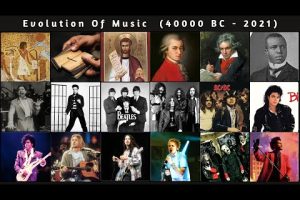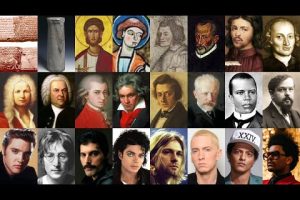
From the rhythmic beating of ancient drums to algorithmically generated playlists that shape our daily lives, the evolution of music represents one of humanity’s most profound cultural journeys. Music has never been static — it constantly adapts, transforms, and reinvents itself in response to social movements, technological breakthroughs, and shifting artistic visions. Understanding how music has evolved across millennia gives us not only a deeper appreciation for the art form but also insight into the civilizations and communities that created it. Whether you are a curious beginner, a music student, or a lifelong listener, exploring the history and development of music reveals fascinating patterns of innovation, cultural exchange, and creative expression that continue to influence every song you hear today.
Ancient Roots: The Birth of Music in Early Civilizations
The earliest evidence of music dates back tens of thousands of years. Archaeologists have uncovered bone flutes carved by Neanderthals and early Homo sapiens, suggesting that rhythmic sound-making was integral to human communication long before spoken language became fully developed. These primitive instruments were made from animal bones, hollowed wood, and natural materials — each one representing a foundational step in the evolution of music that would eventually span every corner of the globe.
Prehistoric Musical Instruments and Ritual Sound
Ancient societies used music for far more than entertainment. Rhythmic drumming served ritualistic, spiritual, and communal purposes. In regions across Africa, the Middle East, and Asia, early music was woven into religious ceremonies, storytelling traditions, and collective labor activities. The development of early musical instruments — such as percussion devices, wind instruments crafted from reeds, and simple stringed instruments — laid the groundwork for increasingly complex compositions.
Medieval and Renaissance Eras: Structure, Notation, and Sacred Sound
As civilizations grew more complex, so did their music. The Medieval period (roughly 500–1400 CE) introduced Gregorian chant and monophonic vocal traditions that dominated European sacred music. Monks and clergy composed intricate chants that were performed in cathedrals, creating an atmosphere of spiritual resonance that influenced generations of composers.
The Birth of Musical Notation and Polyphony
The invention of musical notation by Guido d’Arezzo in the 11th century was a game-changer. It allowed musicians to record and preserve compositions with precision, enabling the evolution of more sophisticated musical structures. By the Renaissance period (1400–1600 CE), polyphony — the simultaneous combination of multiple independent melodies — became a hallmark of European art music. Composers like Josquin des Prez and Palestrina crafted intricate vocal works that demonstrated remarkable harmonic sophistication.
Key developments during the Medieval and Renaissance eras include:
- Monophonic chant evolving into multi-voice polyphony
- The introduction of musical notation systems for broader accessibility
- The rise of secular music alongside sacred compositions
- The invention of early stringed and keyboard instruments
- Patronage systems that funded composers in courts and churches
The Classical and Romantic Periods: A Golden Age of Composition

The Classical period (1750–1820) brought balance, clarity, and structured form to Western music. Composers such as Wolfgang Amadeus Mozart, Ludwig van Beethoven, and Joseph Haydn defined symphonic concertos, sonatas, and operas that remain cornerstones of the musical canon. Beethoven, in particular, bridged the Classical and Romantic periods, pushing the boundaries of emotional expression and orchestral scale.
The Romantic era (1820–1900) unleashed an explosion of emotional intensity and individualism in music. Composers like Franz Liszt, Frédéric Chopin, Pyotr Ilyich Tchaikovsky, and Richard Wagner expanded orchestral forces, experimented with harmonic language, and explored themes of nature, nationalism, and the human psyche. This period also saw the emergence of nationalistic music movements, where composers like Antonín Dvořák and Edvard Grieg wove folk traditions into concert works, proving that cultural identity shaped musical evolution in profound ways.
The 20th Century: Radio, Recording, and Musical Revolution

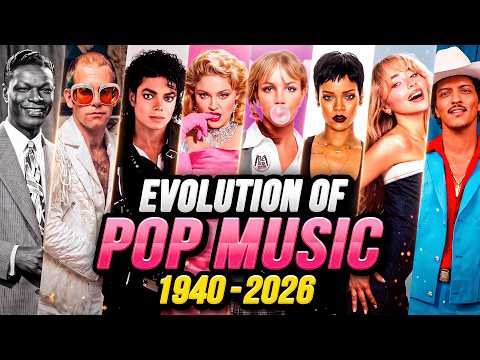
The 20th century shattered virtually every musical convention that preceded it. The invention of the phonograph, radio broadcasting, and eventually recorded media transformed music from a live, localized experience into a global phenomenon. Suddenly, audiences could hear performances from orchestras in Vienna, blues artists in Mississippi, and jazz musicians in New Orleans — all from their living rooms.
Jazz, Blues, Rock and Roll, and the Birth of Popular Music
The early 1900s saw the rise of jazz and blues in the American South, genres rooted in African American cultural traditions, improvisation, and emotional authenticity. These styles became the DNA of virtually all modern popular music. By the 1950s, rock and roll emerged as a cultural force, blending rhythm and blues, country, and gospel into a high-energy sound that captivated young audiences worldwide. Elvis Presley, Chuck Berry, and Little Richard became household names, and the modern music industry was born.
The decades that followed brought an unprecedented wave of subgenres and movements:
- 1960s: The British Invasion, Motown, psychedelic rock, and folk revival
- 1970s: Disco, punk rock, progressive rock, and funk
- 1980s: Synth-pop, hip-hop’s birth, new wave, and glam metal
- 1990s: Grunge, alternative rock, R&B renaissance, and electronic dance music
- 2000s: Indie rock, hip-hop’s mainstream dominance, and digital production
The Digital Age: Streaming, AI, and the Future of Sound
The 21st century has been defined by digital disruption. The rise of digital audio workstations (DAWs), home recording studios, and music production software democratized music creation. Anyone with a laptop and a microphone could produce, mix, and distribute a track — eliminating the gatekeepers that once controlled access to the industry. Platforms like SoundCloud, Bandcamp, and later Spotify fundamentally altered how people discover, consume, and share music.
Streaming, Algorithms, and the Role of AI
Streaming services now dominate global music consumption, replacing physical media and downloads. Algorithms curate personalized playlists, influencing listener habits and shaping chart trends in real time. Meanwhile, artificial intelligence in music production has emerged as a controversial and exciting frontier. AI tools can now compose melodies, generate vocals, and master tracks, raising profound questions about authorship, creativity, and the future role of human musicians.
Despite these technological shifts, the fundamental human drive to create and connect through music remains unchanged. The evolution of music genres continues to accelerate, with genres like lo-fi hip-hop, hyperpop, Afrobeats, and K-pop gaining massive global followings — often blending cultural traditions in ways that would have been unimaginable even a few decades ago.
Comparison: Music Evolution Across Major Eras
| Era | Key Characteristics | Instruments & Technology | Cultural Impact |
| Prehistoric | Ritualistic, communal, oral tradition | Bone flutes, drums, vocal cords | Spiritual bonding, tribal identity |
| Medieval | Sacred chant, monophony, liturgical structure | Organs, lutes, harps | Religious cohesion across Europe |
| Renaissance | Polyphony, secular music, harmonic development | Viols, early keyboards, violins | Humanism, artistic patronage |
| Classical | Structured form, orchestral balance, clarity | Piano, symphony orchestra | Enlightenment ideals, public concerts |
| Romantic | Emotional expression, nationalism, individualism | Expanded orchestra, pianos | Cultural identity, virtuosity |
| 20th Century | Genre diversification, recording, mass media | Electric guitars, synthesizers, recording tech | Youth culture, social change |
| Digital Age | Democratization, streaming, AI-assisted creation | DAWs, laptops, streaming platforms | Global access, algorithmic discovery |
Expert Tips for Understanding Music History
Whether you are just beginning your journey into music history or looking to deepen your knowledge, these practical strategies will help you build topical authority and a richer listening experience:
- Listen chronologically: Start with one era and trace its influence forward. Hearing how blues shaped rock, how rock influenced punk, and how punk birthed indie music creates a powerful narrative thread.
- Explore diverse traditions: Western art music is only one thread. Dive into Indian classical ragas, West African drumming, Latin American salsa, and East Asian court music to appreciate the full global tapestry of musical evolution.
- Study key figures: Understanding the lives and innovations of pivotal composers and artists — from Bach to Beyoncé — provides context for every musical shift.
- Engage with primary sources: Read composers’ letters, watch historical documentaries, and listen to archival recordings to connect with music history on a deeper level.
Conclusion
The evolution of music is not a linear story of progress — it is a complex, interconnected web of innovation, cultural exchange, and human emotion. Every era has contributed tools, techniques, and ideas that continue to resonate in today’s music. From the first bone flute to AI-generated compositions, the thread of creativity that connects all of these moments is unmistakable. By understanding where music has been, we gain a richer, more meaningful relationship with the sounds that shape our present and will define our future.
Frequently Asked Questions
How did the evolution of music begin in human history? Music likely began with rhythmic vocalizations and simple percussion instruments used in ritual and communal settings. Archaeological discoveries of bone flutes dating back over 40,000 years suggest that early humans used sound for spiritual, social, and communicative purposes long before formal musical systems existed.
What technological advancements most influenced the evolution of music genres? The phonograph, radio broadcasting, electric amplification, digital audio workstations, and streaming platforms each revolutionized how music was created, distributed, and consumed — directly giving rise to entirely new genres like rock and roll, electronic dance music, and lo-fi hip-hop.
How has cultural exchange shaped the evolution of music across regions? Migration, colonization, trade routes, and the internet have facilitated cross-cultural musical exchange. Genres like jazz, reggae, and Afrobeats emerged from the blending of African, European, and indigenous musical traditions, demonstrating how cultural fusion drives musical innovation.
Is artificial intelligence changing the future of music creation? Yes. AI music tools now assist in composition, production, and mastering, raising important questions about creativity and authorship. While AI can generate melodies and arrangements efficiently, most experts agree that human emotion, cultural context, and intentional storytelling remain irreplaceable elements of meaningful music.
Why is understanding the history of music important for modern listeners? Understanding music history helps listeners recognize influences, appreciate stylistic choices, and connect more deeply with the cultural and emotional context behind the songs they love. It transforms passive listening into an informed, enriching experience.