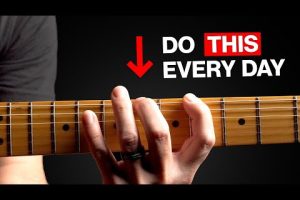
Starting your journey as a beginner of guitar is one of the most rewarding decisions you can make. Whether you dream of strumming campfire songs, shredding electric solos, or fingerpicking folk melodies, the first steps you take will shape how quickly and enjoyably you progress. This guide covers everything a new guitar player needs to know, from picking the right instrument to building a practice routine that actually sticks. If you have ever wondered how to start learning guitar the right way, you are in the right place.
Why Starting as a Beginner of Guitar Is One of the Best Decisions You Can Make
Learning guitar offers benefits that go far beyond playing a few chords around a campfire. For beginners, the instrument builds hand-eye coordination, sharpens memory, and develops discipline through consistent practice. Research even shows that playing a musical instrument reduces stress, improves cognitive function, and boosts self-confidence. The beauty of starting as a beginner of guitar is that you do not need any prior musical experience to get results quickly. Within your first few weeks, you can play simple songs, learn basic chord progressions, and start understanding how music works on a practical level. The learning curve is gentle enough to keep you motivated, yet deep enough to sustain a lifetime of growth.
Here are some of the most compelling reasons to start your guitar journey today:
- Creative Expression: Guitar gives you an immediate outlet for creativity, whether you are writing your own songs or learning covers.
- Social Connection: Playing guitar opens doors to jam sessions, open mic nights, and music communities.
- Portable Skill: Unlike many instruments, a guitar travels easily, meaning you can practice and perform anywhere.
- Mental Health Benefits: Playing music releases dopamine and lowers cortisol, helping you manage anxiety and improve mood.
- Transferable Skills: Music theory, rhythm, and ear training developed on guitar apply to other instruments too.
Choosing the Right Guitar as a Beginner
One of the most important decisions you will make is selecting your first instrument. The wrong guitar can make practice feel like a chore and discourage you before you even get started. As a beginner of guitar, you do not need an expensive instrument, but you do need one that feels comfortable, stays in tune, and inspires you to pick it up every day.
Acoustic vs Electric: Which Should You Pick First?
The acoustic-versus-electric debate is one of the most common questions among new players. The answer depends on the kind of music you want to play and the environment where you will practice. Acoustic guitars produce sound naturally through the vibration of the strings and the hollow body, making them ideal for singer-songwriters, folk players, and those who want to play unplugged. Electric guitars require an amplifier and cables but offer a wider range of tones, lighter string gauges, and easier fretting, which many beginners find more comfortable for their hands.
| Feature | Acoustic Guitar | Electric Guitar |
| Price Range (Beginner) | $100 – $300 | $150 – $400 (plus amp) |
| String Gauge | Thicker, higher tension | Thinner, easier to press |
| Portability | Fully portable, no extras | Requires amp and cables |
| Genre Versatility | Folk, country, pop, singer-songwriter | Rock, metal, blues, jazz, pop |
| Learning Curve | Slightly harder on fingers initially | Gentler on fingers, easier bends |
| Maintenance | Minimal | Needs amplifier, cables, picks |
Budget-Friendly Guitar Options for New Players
You do not need to spend thousands of dollars to get a quality beginner guitar. Some of the best acoustic options include the Yamaha FS800, Fender FA-115, and Cordoba Mini II. For electric beginners, the Squier Affinity Stratocaster, Epiphone Les Paul Special II, and Yamaha Pacifica 112V are excellent entry-level choices. When shopping on a budget, focus on build quality, string action (the distance between strings and frets), and intonation. A guitar that is hard to press or stays out of tune will frustrate any new player, no matter how affordable it is.

Essential Gear and Accessories Every Beginner Needs

Before you start playing regularly, there are a few accessories that will make your learning experience smoother and more enjoyable. A clip-on tuner is non-negotiable; staying in tune is fundamental to developing a good ear. A pack of guitar picks in varying thicknesses gives you options for strumming and picking styles. A guitar strap helps with posture and comfort during longer practice sessions, especially if you are playing an acoustic.
- Clip-On Tuner: Ensures your guitar is always in tune before you play.
- Guitar Picks (Assorted Thickness): Start with medium picks (0.73mm) for versatility.
- Guitar Capo: Allows you to change keys without learning new chord shapes.
- Extra Strings: Beginners break strings frequently; keep spares on hand.
- Guitar Stand or Wall Hook: Keeps your instrument safe and visible, encouraging daily practice.
- Online Guitar Course or App: Platforms like Yousician, Fender Play, or Justin Guitar provide structured lessons for new players.
Investing in a metronome, whether physical or digital, is another smart move. Rhythm is one of the most underrated skills for beginners, and practicing with a metronome from day one will build a rock-solid sense of timing that will serve you well as you advance.

Building a Practice Routine That Actually Works
The biggest mistake new guitar players make is trying to practice too much too soon. As a beginner of guitar, your fingers, hands, and brain are adapting to entirely new mechanics. Short, focused sessions are far more effective than long, unfocused ones. Aim for 15 to 25 minutes of deliberate practice per day during your first month. This means working on specific skills rather than mindlessly strumming through songs.
A solid daily routine might look like this:
- Warm-Up (3 minutes): Play simple finger stretches or chromatic exercises across the strings.
- Chord Transitions (5 minutes): Practice switching between two or three basic chords smoothly.
- Rhythm Strumming (5 minutes): Use a metronome and practice downstrumming and upstrumming patterns.
- Song Application (7 minutes): Apply what you learned to a real song you enjoy.
- Cool-Down (3 minutes): Play something free and fun to end on a positive note.
Consistency beats intensity every time. Fifteen minutes daily will produce faster results than two hours once a week. Track your progress in a simple journal or note app so you can see how far you have come over weeks and months.
Common Mistakes Beginners Make (and How to Avoid Them)
Every beginner of guitar encounters pitfalls, but knowing about them in advance helps you sidestep the most damaging habits. One of the most common mistakes is neglecting proper finger placement. Pressing strings too close to the fret wire instead of just behind it causes buzzing and poor sound quality. Another frequent error is ignoring the picking hand; many beginners focus entirely on the fretting hand while the rhythm hand develops haphazardly. Both hands need equal attention from the very start.
Here are additional mistakes to watch out for:
- Skipping Lessons for Songs: Jumping straight to songs without learning fundamentals creates gaps that become harder to fix later.
- Practicing Too Fast: Slow, accurate practice builds muscle memory faster than rushing through passages.
- Ignoring Music Theory Basics: You do not need to be a theorist, but understanding keys, scales, and chord construction accelerates your progress.
- Not Using a Metronome: Playing without a beat leads to sloppy timing that becomes a hard habit to break.
- Comparing Yourself to Others: Everyone progresses at a different pace; focus on your own growth metrics.
Moving from Beginner to Intermediate: Your Roadmap
After you have spent a few months mastering basic open chords, simple strumming patterns, and a handful of songs, it is time to start thinking about the intermediate phase of your development. The transition from beginner of guitar to intermediate player involves expanding your chord vocabulary to include barre chords, seventh chords, and extended harmonies. You should also begin exploring fingerpicking patterns, basic music theory concepts like scales and intervals, and more complex rhythm techniques such as syncopation and palm muting.
At this stage, consider working with a qualified guitar teacher or joining an online community where you can receive feedback on your playing. Intermediate players benefit enormously from structured learning paths that target specific weaknesses. Whether that is improving your alternate picking speed, learning to read tablature fluently, or developing the ability to play by ear, targeted practice at this level accelerates your growth dramatically.
Set short-term goals for each month, such as learning a new scale, mastering a barre chord shape, or memorizing a full instrumental piece. These milestones keep you motivated and give you measurable proof of progress. Remember that the journey from beginner to advanced guitarist is not a sprint; it is a marathon filled with small victories that compound over time.
Frequently Asked Questions
How long does it take for a beginner of guitar to play their first song?
Most beginners can play a simple song using two or three open chords within two to four weeks of consistent practice. Songs like “Knockin’ on Heaven’s Door” or “Horse With No Name” use only three or four basic chords, making them perfect first goals.
Is it better to learn guitar on acoustic or electric as a complete beginner?
Neither is objectively better; it depends on your goals and preferences. Electric guitars have lighter strings and lower action, making them physically easier on the fingers. Acoustic guitars are more portable and require no additional equipment. Choose the one that excites you the most, because motivation is the number one predictor of success.
What is the best way for a beginner of guitar to practice chord changes?
The most effective method is to isolate two chords, set a slow metronome (around 50-60 BPM), and practice switching between them on every click. Only increase the tempo once you can change chords cleanly and without looking at your fingers. This builds muscle memory far more efficiently than trying to play full songs before your chord changes are reliable.
Do I need to learn to read music to play guitar as a beginner?
No. Most guitar players, even professional ones, use tablature (tab) and chord charts rather than standard sheet music. Learning to read tabs is quick and easy, and it allows you to access thousands of songs immediately. Standard notation is helpful for advanced players, but it is not necessary in the early stages.
How often should a beginner practice guitar each day?
Fifteen to twenty-five minutes of focused daily practice is ideal for beginners. Shorter, consistent sessions build finger strength and muscle memory more effectively than occasional long sessions. Quality and consistency matter far more than duration during the first few months.
What should I do if my fingertips hurt when I first start playing?
Finger discomfort is completely normal for the first two to three weeks of guitar playing. It is your skin building calluses, which are essential for comfortable playing. Take short breaks if the pain becomes sharp, but do not stop practicing entirely. Within a few weeks, your fingertips will toughen up, and playing will feel natural again.
Final Thoughts: Your Beginner Guitar Journey Starts Now
Becoming a skilled guitar player is a journey that begins with a single strum. As a beginner of guitar, you are stepping into a world of creative possibility, personal expression, and lifelong learning. The key is to stay patient, practice consistently, and enjoy every small victory along the way. Whether you pick up an acoustic or electric guitar, invest in the right gear, follow a structured practice routine, and avoid the common traps that derail new players, you are setting yourself up for success. The guitar community is incredibly welcoming, and there has never been a better time to start. Grab your instrument, tune your strings, and let the journey begin.