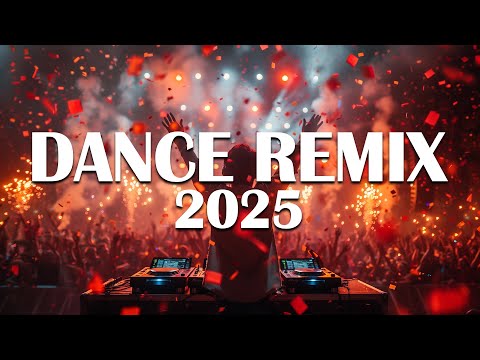
If you are a DJ looking to build sets that captivate crowds, the secret weapon sitting right under your nose is a meticulously crafted playlist. Whether you are spinning at a weekend club, hosting a backyard gathering, or streaming live online, the playlists you assemble determine the energy arc of your entire performance. In this guide, we dive deep into actionable DJ playlist ideas for every skill level, explore genre-specific strategies, and share expert curation techniques that will transform how you mix music. Forget generic track lists — this is about building dynamic, intentional sets that keep listeners locked in from the first beat to the last.

Why DJ Playlist Curation Is the Foundation of Every Great Set
Before jumping into specific ideas, it is important to understand why playlist curation matters so much in modern DJing. A well-organized playlist acts as a roadmap for your set, guiding energy levels, transitions, and crowd interaction. Without a solid framework, even the most talented DJ can lose momentum or fail to connect with the audience. Think of your playlist as the skeleton of your performance — every track needs to serve a purpose in the larger narrative you are building on the dancefloor.
The Psychology Behind Playlist Flow
Crowds respond to tension and release. When you sequence tracks thoughtfully, you create emotional journeys that make people move instinctively. A flat playlist with no energy variation causes fatigue, while a chaotic mix with no structure feels disorienting. The best DJ sets balance familiarity with surprise, using recognizable tracks to anchor the crowd while introducing fresh selections to keep them engaged.
DJ Playlist Ideas for Beginners
If you are just starting out, the sheer volume of music available can feel overwhelming. The key is to start simple and build your curation skills gradually. Here are some beginner-friendly playlist concepts to get you going.
- The Peak-Time Banger Mix: Select 30 to 40 high-energy tracks from one genre like house, techno, or EDM. Focus on tracks with strong beats and minimal vocal complexity so you can concentrate on mixing techniques rather than song selection.
- The Crowd Pleaser Set: Build a playlist of universally recognizable hits across pop, dance, and hip-hop. This is perfect for open-format gigs where you need to appeal to a diverse audience.
- The Warm-Up Session: Curate a 60-minute playlist with mellow, groovy tracks at around 118 to 124 BPM. Focus on smooth transitions and deep, hypnotic rhythms that ease the crowd into the night.
- The Genre Deep Dive: Pick one niche genre — such as deep house, future garage, or Afro House — and explore its history by compiling tracks from seminal artists alongside newer releases.
When building beginner playlists, always organize your tracks by BPM and energy level first. This foundational step makes sorting and transitioning infinitely easier as you develop your skills.
Intermediate DJ Playlist Strategies
Once you have mastered basic track selection, it is time to elevate your playlist game with more sophisticated approaches. Intermediate DJs should focus on thematic storytelling, mood progression, and creative layering.
Mood-Based Playlist Architectures
Instead of organizing by genre alone, try structuring your playlist around a specific emotional arc. For example, you might build a set that moves from melancholic deep house into uplifting melodic techno and finally into driving, peak-time acid. This creates a journey that feels intentional and immersive.
- Start by identifying the emotional tone you want to convey during each phase of your set.
- Select tracks that match that tone using key and BPM as your primary filters.
- Arrange the playlist in a rough energy curve, leaving room for surprises and strategic dips.
- Test the playlist during a live practice session and adjust transitions based on how the flow actually feels.

The Hybrid Playlist Approach
Intermediate DJs benefit enormously from blending genres within a single set. Combining elements of house with hip-hop acapellas, or layering techno rhythms over drum and bass breaks, creates a signature sound that sets you apart from other DJs. The hybrid approach requires careful attention to compatible keys and complementary tempos, but the results are incredibly rewarding.
Advanced DJ Playlist Techniques
For experienced DJs, playlist creation becomes an art form. Advanced techniques involve harmonic mixing at scale, crowd reading adjustments, and building multi-hour sets that maintain peak energy without burnout.
Harmonic Energy Mapping
Use tools like Mixed In Key or Camelot Wheel to analyze the harmonic structure of your tracks. Advanced DJs build playlists where every consecutive track shares a compatible musical key, creating seamless harmonic transitions that sound effortless. Layer this with energy level data, and you have a powerful framework for crafting sets that feel perfectly tuned.
The Anti-Playlist: Reactive DJing
At the highest level, some DJs abandon rigid playlists in favor of reactive set-building. This involves reading the crowd in real time and pulling from a large, pre-analyzed library. While this requires immense experience and deep music knowledge, it produces the most authentic and responsive performances. Even reactive DJs maintain a “set skeleton” playlist with anchor tracks and fallback options to ensure they never run out of material.
Genre-Specific DJ Playlist Ideas
Different genres demand different playlist strategies. The table below compares popular DJ genres with recommended playlist structures and energy profiles.
| Genre | Best Playlist Structure | Typical BPM Range | Energy Profile |
| House | Gradual build with peak-time climax | 120–130 | Sustained groove with selective peaks |
| Techno | Dark, hypnotic progression into industrial | 128–145 | Relentless, driving, minimal breaks |
| Hip-Hop / Rap | Old-school to new-school evolution | 85–115 | Bouncy, lyrical, crowd-interactive |
| Afro House | Percussion-heavy flow with melodic breaks | 115–125 | Warm, tribal, uplifting |
| Drum & Bass | Fast build into liquid sections | 160–180 | Intense drops followed by melodic recovery |
| Pop / Top 40 | Singles-heavy with strategic remixes | 100–130 | High recognition, crowd sing-alongs |
Best Tools and Apps for Building DJ Playlists
Technology has transformed how DJs organize and prepare their sets. Using the right tools can save hours of preparation time and dramatically improve playlist quality.
- Mixed In Key: Analyzes musical keys and energy levels, making harmonic playlist building straightforward and accurate.
- Rekordbox: Pioneer’s professional software offers beat analysis, cue point management, and seamless export to CDJs and controllers.
- Traktor Pro: Native Instruments’ platform provides advanced playlist sorting, grid mixing capabilities, and deep integration with hardware.
- Spotify with Smart DJ Tools: For beginners and online streamers, Spotify’s playlist features combined with third-party BPM analyzers offer a lightweight but effective solution.
- Beatport Link: Gives DJs instant access to millions of professionally tagged tracks with BPM and key data ready for import.
Expert Tips for Curating Killer DJ Playlists
Even the most experienced DJs continue refining their playlist strategies. Here are some proven tips that separate average sets from unforgettable performances.
1. Always prepare more tracks than you need. Having a playlist with 50 percent more options than your planned set length gives you flexibility to adapt on the fly. If the crowd responds to a particular energy level, you can pivot without scrambling.
2. Use “anchor tracks” strategically. Place your strongest, most recognizable tracks at critical moments — the opening, the peak, and the closing. These anchor tracks give the set a sense of identity and give the crowd familiar reference points.
3. Label and tag your music library obsessively. Create tags for mood, energy, vocal presence, and suitability for mixing. When you need a specific track in a live setting, you want to find it in seconds, not minutes.
4. Record and review your sets. After every performance, listen back to your playlist and note which tracks worked and which felt out of place. This feedback loop is one of the fastest ways to improve your curation instincts.
5. Stay updated but stay true to your sound. Regularly add new releases to your playlists, but always filter them through the lens of your musical identity. Chasing trends without personal taste leads to forgettable sets.
Frequently Asked Questions About DJ Playlist Ideas
How many tracks should a DJ playlist have for a two-hour set?
A good rule of thumb is to prepare between 30 and 40 tracks for a two-hour set, allowing roughly three to four minutes per track with some overlap for transitions. However, always prepare 15 to 20 additional tracks as backup options in case the crowd responds differently than expected.
What is the best way to organize a DJ playlist by energy level?
Start by sorting all tracks by BPM, then group them into energy tiers — low, medium, high, and peak. Within each tier, further sort by key compatibility using Camelot Wheel notation. This creates a layered system where you can quickly build a set that flows musically while maintaining the energy arc you want.
Should I mix genres within a single DJ playlist?
Genre-blending can be incredibly effective, especially for open-format or multi-genre events. The key is to find natural transition points where two genres share compatible BPM ranges or tonal qualities. Start with subtle blends — a house track with a hip-hop acapella intro, or a techno track that drops into a drum and bass breakbeat — and gradually experiment with bolder combinations as your skills develop.
How do I update my DJ playlist for different seasons or events?
Refresh your playlists quarterly by replacing older tracks with new releases that match your sound. For specific events, adjust the energy profile — corporate events call for more accessible, melodic selections, while festival sets benefit from darker, harder-hitting tracks. Always keep a “seasonal library” of 100 to 200 tracks organized by mood and event type so you can pull together a relevant playlist quickly.
Is it better to memorize a playlist or follow it digitally during a live set?
Both approaches have merit. Digital playlists in software like Rekordbox or Traktor give you quick access and visual organization, which is invaluable in high-pressure environments. However, memorizing key tracks and their positions in your set allows for more intuitive, responsive DJing. The best strategy is a hybrid — use digital tools for preparation and backup, but internalize the core flow of your set so you can perform with confidence and spontaneity.
Final Thoughts on DJ Playlist Ideas
Building the perfect DJ playlist is an ongoing process that combines musical knowledge, technical skill, and genuine connection with your audience. Whether you are just starting out with your first beginner-friendly track list or refining advanced harmonic mixing strategies, the principles remain the same — curate with intention, organize with precision, and always prioritize the emotional experience of the people on the dancefloor. The best playlists are not just collections of songs; they are stories told through rhythm, energy, and sound. Invest time in your curation, trust your instincts, and your sets will speak for themselves. Keep exploring new music, refining your approach, and pushing the boundaries of what a DJ playlist can be — because that is where the real magic happens.