


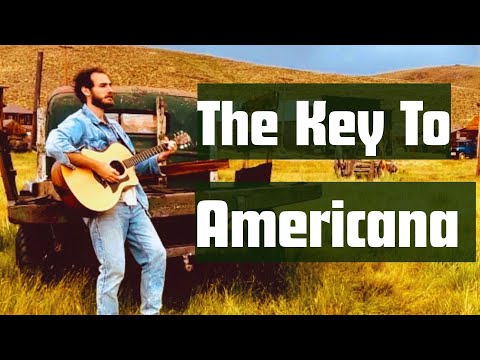
Folk songwriting is one of the most enduring and emotionally powerful forms of musical expression. Whether you are a beginner strumming your first acoustic guitar or a seasoned writer looking to deepen your craft, understanding the nuances of folk songwriting tips can transform your approach to writing music. Unlike genres driven by production and electronic layers, folk music relies on raw storytelling, authentic emotion, and melodic simplicity that resonates with listeners on a deeply human level. In this comprehensive guide, we will explore proven folk songwriting techniques, practical exercises, and expert strategies that cover every stage of the creative process. From crafting heartfelt lyrics to choosing the right chord progressions, this article delivers actionable folk music writing tips you can apply immediately to your own songs.
Understanding the Soul of Folk Songwriting
Before diving into specific techniques, it helps to understand what makes folk songwriting fundamentally different from other genres. Folk music has its roots in oral tradition, where stories were passed down through generations via song. This heritage shapes everything from the lyrical content to the melodic structure of modern folk compositions.
What Makes Folk Music Distinct
Folk music is defined by several key characteristics that set it apart:
- Narrative-driven lyrics that tell stories about real people, places, and experiences
- Acoustic instrumentation dominated by guitar, banjo, fiddle, mandolin, and upright bass
- Emotional authenticity over polished production or commercial appeal
- Simple yet powerful chord progressions that serve the song rather than overshadowing it
- Cultural and historical connections that give songs a sense of place and identity
When you understand these foundations, you begin to see that folk songwriting tips are less about rigid rules and more about channeling genuine human experience into musical form. The best folk songwriters — from Bob Dylan and Joni Mitchell to Gillian Welch and Iron & Wine — all share this commitment to emotional truth.
Core Folk Songwriting Techniques
Crafting Authentic Folk Lyrics
Lyrics are the heartbeat of any folk song. If your words do not feel genuine, no amount of melodic skill will save the song. Here are essential techniques for writing folk lyrics that connect:
- Write from personal experience. The most powerful folk songs draw from real moments — a relationship that ended, a place you remember, a lesson life taught you. Do not fabricate emotions; mine your own history.
- Use concrete imagery over abstract statements. Instead of saying “I was sad,” describe the cracked sidewalk, the empty chair, the rain on the window. Folk audiences respond to vivid, sensory details.
- Keep language conversational. Folk lyrics should feel like someone speaking to you across a campfire. Avoid overly poetic or forced rhyme schemes that sound unnatural.
- Repeat key phrases for emphasis. Refrains and repeated lines create emotional weight and give listeners something to hold onto.
- Leave room for interpretation. The best folk lyrics are open enough that different listeners find different meanings in the same words.
Building Memorable Folk Melodies
Folk melodies tend to be simple and singable, but that simplicity is deceptive. Creating a melody that feels both easy and unforgettable requires deliberate craft.
- Start with a single melodic phrase that captures the emotional core of your lyric
- Use stepwise motion — moving between adjacent notes — to create a natural, flowing feel
- Place your highest note at the emotional peak of the song for maximum impact
- Experiment with pentatonic scales as the foundation for your melody
- Sing your melody out loud before recording it — if you cannot hum it easily, simplify further
Chord Progressions and Harmonic Choices in Folk Music
One of the most practical folk songwriting tips is to master a small set of chord progressions deeply rather than constantly chasing new ones. Folk music thrives on harmonic simplicity that supports storytelling. Here are the progressions that form the backbone of countless folk songs:

| Progression | Chords | Feel | Classic Example |
| I – IV – V – I | C – F – G – C | Bright, resolved, uplifting | Traditional folk standards |
| I – V – vi – IV | C – G – Am – F | Emotional, modern folk feel | Countless contemporary folk songs |
| I – vi – IV – V | C – Am – F – G | Bittersweet, nostalgic | Classic 60s folk ballads |
| ii – V – I – vi | Dm – G – C – Am | Reflective, jazzy folk | More sophisticated folk compositions |
| I – IV – I – V | C – F – C – G | Simple, meditative | Traditional Appalachian tunes |
Notice how all of these progressions use diatonic chords from a single key. This is intentional — folk music avoids flashy harmonic shifts in favor of progressions that feel familiar and grounding. When learning folk songwriting tips for chords, focus on how the progression supports the emotional arc of your lyrics rather than trying to impress with complexity.
When to Break the Rules
Advanced folk songwriters know that breaking harmonic conventions at the right moment creates powerful emotional surprises. A sudden key change, an unexpected minor chord replacing a major one, or a brief dissonance can elevate a song from pleasant to unforgettable. The key is restraint — these moments should be rare and meaningful.
Storytelling Frameworks for Folk Songs

Folk music is, at its core, a storytelling medium. Whether you are writing a protest anthem, a love ballad, or an acoustic folk-pop track, having a narrative framework helps you structure your song effectively.
The Three-Act Folk Song Structure
Many successful folk songs follow a narrative arc similar to traditional storytelling:
- Verse 1 – Setup: Introduce the character, setting, and situation. Establish the world the listener will inhabit.
- Verse 2 – Conflict: Introduce tension, change, or emotional stakes. The story begins to shift.
- Chorus or Refrain – Emotional Core: State the central feeling or message of the song. This is the emotional anchor.
- Verse 3 – Resolution or Reflection: Show the outcome, lesson, or lingering emotional aftermath.
This framework does not mean every folk song must follow a rigid story arc. Many folk songs are more impressionistic, building atmosphere rather than following a linear narrative. However, understanding this structure gives you a reliable blueprint when you feel stuck or unsure how to develop your song.
Advanced Folk Songwriting Strategies
Once you have mastered the basics, these advanced folk songwriting tips will help you refine your craft and develop a distinctive voice:
- Study traditional folk songs. Listen to archival recordings of Appalachian ballads, Delta blues, Celtic folk songs, and singer-songwriter traditions. Pay attention to phrasing, repetition, and how stories unfold across multiple verses.
- Experiment with alternate tunings. DADGAD, open D, open G, and drop D tunings unlock resonant, droning textures that are signature sounds in folk music.
- Use silence as a tool. Strategic pauses and rests create emotional tension and give listeners space to absorb what you have just sung.
- Collaborate with other songwriters. Some of the most celebrated folk songs emerged from collaborative writing sessions where different perspectives enriched the final product.
- Record your ideas immediately. Folk inspiration is fleeting. Keep a voice memo app or a notebook accessible at all times.
- Revise ruthlessly. Even legendary folk songwriters rewrote songs dozens of times. Do not be afraid to cut a verse or rewrite a chorus if it serves the song better.
Folk Songwriting Tips: Beginner, Intermediate, and Advanced
| Level | Focus Areas | Recommended Practice |
| Beginner | Basic chord progressions, simple rhyme schemes, conversational lyrics, strumming patterns | Write one verse and chorus per day; study three folk songs you admire |
| Intermediate | Narrative structure, melodic variation between verses, dynamic arrangement, alternate tunings | Complete full songs; collaborate with other musicians; record demos |
| Advanced | Unique voice development, harmonic experimentation, lyrical depth, performance craft | Study folk history deeply; workshop songs with trusted listeners; perform live regularly |
Progressing through these levels is not linear — many songwriters revisit foundational techniques throughout their careers. The important thing is to stay curious and keep writing consistently.

Essential Tools for the Modern Folk Songwriter
While folk music has historically been a stripped-down genre, modern songwriters benefit from certain tools that can streamline the creative process:
- A quality acoustic guitar that stays in tune and responds well to fingerpicking
- A portable recording device for capturing ideas on the go
- A digital audio workstation (DAW) for refining demos without overproducing
- Lyric journaling apps for organizing song ideas and thematic notes
- A metronome for practicing rhythmic consistency in your songwriting
Remember that tools are meant to serve your creativity, not replace it. The most powerful folk songwriting tip is simply this: write from the heart and trust your instincts.
Frequently Asked Questions
What are the most common folk songwriting mistakes beginners make?
Beginners often overcomplicate their chord progressions, force rhyme schemes that feel unnatural, or write lyrics that are too vague and generic. The best remedy is to focus on specificity — write about real people, real places, and real emotions. Keep your chords simple and let the story carry the song.
How do I make my folk lyrics more emotionally powerful?
Use concrete sensory details instead of abstract statements. Replace “I was lonely” with a specific image like “the coffee cup sat cold on the windowsill.” Read your lyrics aloud — if they do not sound like something a real person would say, revise until they do. Emotional power in folk music comes from specificity and honesty.
What is the best key for folk songwriting on guitar?
G major, C major, D major, and E minor are the most popular keys in folk music because they align naturally with common guitar chord shapes and open tunings. G major and C major are especially versatile, offering bright, warm tones that suit both upbeat folk tunes and heartfelt ballads.
How can I develop a unique folk songwriting style?
Your unique style emerges from the intersection of your influences, your life experiences, and your natural voice as a writer. Listen widely across folk subgenres — traditional, contemporary, indie folk, Americana — and pay attention to which songs genuinely move you. Study what they do and then adapt those techniques through the lens of your own perspective. Over time, your stylistic fingerprint will become unmistakable.
Do I need formal music theory to write folk songs?
Absolutely not. Many legendary folk songwriters had limited formal training. While understanding basic music theory can accelerate your growth, folk songwriting is fundamentally about emotional expression and storytelling. Learn enough chords to express yourself, study songs you admire, and practice consistently. Theory is a helpful tool, not a prerequisite for great folk songwriting.
How many verses should a folk song typically have?
Most folk songs feature two to three verses plus a chorus or refrain. Some traditional folk ballads include four or more verses to fully develop the narrative. The guiding principle is economy — include only the verses and lyrics that serve the story. If a verse does not advance the emotional arc or narrative, consider cutting it or combining it with another section.
Conclusion
Folk songwriting is a craft built on authenticity, storytelling, and emotional connection. Whether you are just beginning your journey or seeking to elevate your existing work, the folk songwriting tips outlined in this guide provide a solid foundation for growth. Start with simple progressions and honest lyrics, study the masters, experiment with your own voice, and never stop writing. The beauty of folk music lies in its accessibility — you do not need expensive equipment or formal training to write songs that matter. Pick up your guitar, open your notebook, and let your stories find their way into song. The world needs more authentic folk music, and that starts with you.