


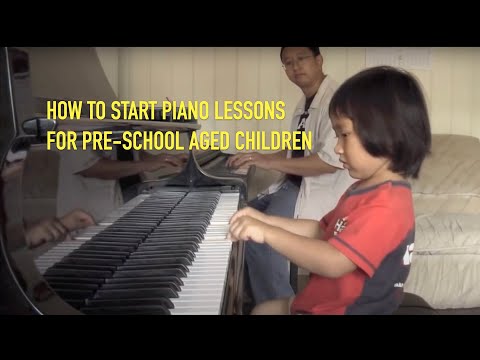
Learning piano from the comfort of your own home has transformed from a niche alternative into one of the most sought-after ways to master the instrument. Whether you are a complete beginner picking up the keys for the first time or an advanced player refining your technique, at home piano lessons offer a level of convenience, personalization, and comfort that traditional studio settings simply cannot match. In this comprehensive guide, we will walk you through everything you need to know to start, sustain, and accelerate your piano journey without ever leaving your living room.
Why At Home Piano Lessons Are Becoming the Preferred Choice
The demand for home-based piano instruction has surged in recent years, and the reasons go well beyond convenience. Students who choose in-home piano learning save significant time by eliminating commute traffic, parking struggles, and waiting room downtime. For parents of young children, this flexibility is a game-changer. For working adults with tight schedules, it removes one of the biggest barriers to consistency. But beyond logistics, at home lessons create a deeply personalized environment where the instructor can tailor every session to your specific goals, learning pace, and musical interests.
Research in music education consistently shows that learning in a familiar environment reduces anxiety and improves retention. When a student feels comfortable and relaxed, their brain absorbs new concepts faster. This is especially true for younger learners and adult beginners who may feel intimidated in a formal studio setting. At home, the student controls the temperature, lighting, and even the background music, creating conditions that genuinely support deep focus and creative expression.
Setting Up Your Home for Effective Piano Practice
Choosing the Right Space
The physical space where you practice matters more than most people realize. Ideally, you want a quiet room with minimal distractions where you can practice for 20 to 45 minutes without interruption. Avoid setting up your piano in high-traffic areas like the living room if household noise competes with your concentration. A spare bedroom, a dedicated music corner, or even a quiet alcove works beautifully. The key is consistency—practicing in the same spot every day trains your brain to shift into focus mode quickly.
Consider the acoustics of the room too. Hard surfaces like tile floors and bare walls can create harsh echoes that make it difficult to hear subtle tonal differences. Adding a rug, curtains, or even bookshelves along the walls softens the sound and gives you a clearer picture of your own playing. This matters enormously during at home lessons, since the instructor relies on your audio feedback to correct technique and intonation.
Equipment and Instrument Considerations
Before scheduling your first session, make sure your instrument is properly set up. If you are working with an acoustic piano, it should be tuned at least once a year—ideally before starting lessons. A poorly tuned piano can mislead a beginner about pitch and tone quality. If you are using a digital piano or keyboard, invest in a full-sized, weighted-key model that mimics the feel of an acoustic instrument. Entry-level unweighted keyboards are fine for casual exploration, but they will hold back serious technical development.
Here is a quick equipment checklist to have ready before your at home piano lessons begin:
- A properly tuned acoustic piano or a weighted digital piano with at least 88 keys
- A stable music stand or tablet holder for sheet music
- A comfortable, adjustable bench at the correct height
- A reliable metronome—either physical or app-based
- A notebook or digital document for tracking practice goals and instructor feedback
- A quality audio recording device or app to capture practice sessions for review
Finding the Right At Home Piano Teacher
Selecting the right instructor for home piano tutoring is one of the most important decisions you will make. Look for a teacher who has verified experience teaching at the student’s level—beginner, intermediate, or advanced—and who is comfortable working in a home environment. Many qualified pianists now offer private in-home piano lessons through platforms like TakeLessons, Lessonface, or local music schools, making it easier than ever to find a vetted professional in your area.
When interviewing potential instructors, ask about their curriculum structure, their approach to technique and theory, and whether they adapt lesson plans to individual musical interests. A great at home piano teacher does not just follow a rigid method book—they assess your goals, preferences, and learning style, then build a customized path forward. Musicality, sight-reading, ear training, and repertoire selection should all be part of a well-rounded lesson plan.
A Structured Approach for Every Skill Level
Beginner Level: Building a Strong Foundation
For those just starting out, at home piano lessons should focus on fundamentals that will serve you for years to come. Beginners need to develop proper hand position, finger independence, and basic music literacy. A good instructor will introduce the keyboard layout, the musical alphabet, and simple rhythm patterns early on. Scales, simple chords, and recognizable melodies like “Ode to Joy” or “Chopsticks” keep motivation high while reinforcing core skills.
At this stage, consistency trumps intensity. Short daily practice sessions of 15 to 20 minutes produce far better results than infrequent marathon sessions. Your teacher should assign clear, achievable practice goals each week, and you should track your progress in a dedicated notebook or app.
Intermediate Level: Expanding Technique and Repertoire
Once you have a solid grasp of basic theory and hand coordination, intermediate at home piano lessons introduce more complex concepts. You will work on hand independence, pedaling techniques, dynamic control, and expressive playing. Repertoire expands to include classical pieces, jazz standards, pop arrangements, and improvisation exercises. Sight-reading becomes a regular part of practice, and your teacher may introduce exercises in scales, arpeggios, and chord progressions across different keys.
This is also the stage where ear training becomes critical. Learning to identify intervals, chord qualities, and rhythmic patterns by ear accelerates your ability to learn songs faster and play by feel. Many intermediate students begin exploring composition and arrangement, which deepens their understanding of music theory in a practical, creative context.
Advanced Level: Refinement and Artistic Expression
Advanced players working through home-based piano instruction focus on polishing technique, interpreting complex repertoire, and developing a personal artistic voice. Lessons at this level often include performance preparation, detailed score analysis, and work on advanced pedal techniques and voicing. Whether the goal is mastering a Beethoven sonata, improvising jazz standards, or performing in a community ensemble, the instructor helps the student break down challenging pieces into manageable sections and refine them to a professional standard.
At Home Piano Lessons vs. Studio Lessons: A Comparison

To help you decide which option fits your situation best, here is a direct comparison of at home piano lessons versus traditional studio-based instruction:
| Factor | At Home Piano Lessons | Studio Lessons |
| Commute Time | None | 15–45 minutes each way |
| Cost per Lesson | Slightly higher (travel fee) | Standard studio rate |
| Comfort Level | Very high—familiar environment | Moderate—new setting each time |
| Instrument Familiarity | Your own piano, every session | Studio instrument (different feel) |
| Distraction Level | Variable—controlled by you | Low—dedicated practice space |
| Scheduling Flexibility | High—teacher comes to you | Moderate—fixed studio hours |
| Parental Involvement | Easy—observe and support at home | Limited—wait in lobby |
Expert Tips for Maximizing Progress with At Home Piano Lessons
- Set a consistent practice schedule. The single biggest predictor of progress is regular, daily practice. Even 15 minutes on busy days keeps momentum alive and reinforces what you learned during your lesson.
- Record your practice sessions. Listening back to recordings reveals habits and errors you might not notice in real time. Share these recordings with your instructor for targeted feedback.
- Use a metronome from day one. Developing a strong internal sense of timing is essential for playing with precision and confidence. Start slow and gradually increase tempo as you master each piece.
- Break pieces into small sections. Tackling a full song in one sitting leads to frustration and sloppy playing. Work on two to four measures at a time, mastering each section before moving on.
- Communicate openly with your teacher. Tell your instructor what music genres excite you, what challenges you are facing, and what goals you want to achieve. The best at home piano lessons are collaborative, not one-directional.
- Invest in quality learning materials. Supplement your lessons with reputable method books, online theory resources, and listening assignments that expose you to diverse musical styles and interpretations.
Conclusion
At home piano lessons represent one of the most effective, flexible, and enjoyable ways to learn piano at any skill level. From the initial setup of your practice space to the selection of a qualified instructor and the ongoing refinement of your technique, every element of this journey benefits from the personalized, distraction-free environment that only your home can provide. Whether you are playing your first scales or tackling a Rachmaninoff concerto, the combination of expert guidance and home-based convenience creates the ideal conditions for lasting musical growth. Start today, stay consistent, and let the piano become a lifelong source of joy, creativity, and self-expression.

Frequently Asked Questions
How effective are at home piano lessons compared to online video courses?
At home piano lessons with a live instructor are significantly more effective than pre-recorded video courses for most learners. A real teacher provides immediate, personalized feedback, corrects bad habits before they become ingrained, and adapts the lesson plan to your unique strengths and weaknesses. Video courses can supplement lessons but rarely replace the value of direct human instruction.
What is the average cost of in-home piano lessons?
Pricing varies by location, instructor qualifications, and lesson length, but private at home piano lessons typically range from $40 to $80 per hour. Some instructors charge a travel fee of $10 to $20 on top of the standard rate. Many offer discounts for monthly packages or sibling lessons, making consistent instruction more affordable over time.
Can adults successfully learn piano through at home lessons?
Absolutely. Adults are not only capable of learning piano at home—they often progress faster than younger students because of their intrinsic motivation, discipline, and ability to understand abstract musical concepts. At home lessons allow adults to schedule sessions at times that work best for their lifestyle, removing the logistical barriers that often derail adult learners.
How do I know if my piano is suitable for at home lessons?
A piano is suitable for lessons if it is properly tuned, has responsive keys, and produces clear, even tone across its range. If you are using a digital piano, ensure it has fully weighted keys and a minimum of 88 keys. Your instructor can assess your instrument during the first session and recommend any upgrades or adjustments needed for optimal learning.
How long does it take to see noticeable progress with home piano lessons?
Most students begin to notice tangible improvement within four to six weeks of consistent at home lessons and daily practice. Early progress includes better hand positioning, improved sight-reading fluency, and the ability to play simple pieces with confidence. Long-term mastery, such as performing complex repertoire or improvising, typically develops over several months to years of dedicated study.