


Adult singing lessons have transformed the way people of all ages discover and develop their vocal potential. Whether you have always dreamed of performing on stage, want to build confidence in your voice, or simply wish to sing along to your favorite songs without straining, structured voice training offers a clear path forward. Unlike the outdated myth that great singers are “born, not made,” modern vocal pedagogy proves that adults can make remarkable improvements at any skill level. This guide breaks down everything you need to know about adult singing lessons, from choosing the right instructor to mastering the techniques that separate average singers from exceptional ones.
Why Adult Singing Lessons Are Worth Pursuing
Many adults hesitate to pursue vocal training because they feel they missed the “window of opportunity” during childhood. This simply isn’t true. The human voice continues to develop and adapt throughout life, and adults actually bring significant advantages to singing lessons — including self-awareness, discipline, and a deeper emotional connection to music. Taking adult voice lessons can improve breath control, expand your vocal range, sharpen pitch accuracy, and reduce performance anxiety. Beyond the technical benefits, singing has been linked to reduced stress, improved mental clarity, and stronger respiratory health. If you have ever searched for “singing lessons for adults near me” or “how to learn to sing as an adult,” you are already on the right track.
What to Expect From Adult Voice Training
A well-structured vocal training program for adults typically progresses through three stages: beginner, intermediate, and advanced. Understanding where you fit in helps you set realistic goals and choose the right curriculum.
For Absolute Beginners
If you have never taken a singing lesson before, your first sessions will focus on foundational skills. Instructors assess your natural voice type, identify habits that may limit your progress, and introduce basic vocal warm-ups. Beginner adult singing lessons cover:
- Proper posture and alignment for breathing
- Introduction to chest voice and head voice
- Basic pitch matching exercises
- Simple breath control techniques
- Confidence-building through guided performance practice
Intermediate Singers Looking to Refine Technique
After several months of consistent training, intermediate students start layering more complex skills onto their foundation. This stage often involves expanding vocal range, refining vowel placement, and exploring different musical genres. An experienced vocal coach will begin introducing exercises that target resonance, dynamics, and emotional delivery.
Advanced Vocal Development
Advanced adult voice lessons focus on stylistic mastery, performance artistry, and specialized techniques such as belting, vibrato control, and harmonization. Singers at this level often work on audition preparation, recording techniques, and maintaining vocal longevity over demanding schedules.
Key Components of Effective Adult Singing Lessons
Not all vocal coaching programs are created equal. The best adult singing lessons incorporate several core elements that address both the physical and psychological aspects of singing.
Breath Support and Diaphragm Control
Breath support is the single most important technical element in singing. Without proper diaphragmatic breathing, singers struggle with pitch stability, volume control, and vocal endurance. During voice lessons for adults, instructors teach you to engage the diaphragm, manage air flow efficiently, and avoid shallow “clavicular” breathing. These exercises form the backbone of every lesson plan.
Pitch Accuracy and Ear Training
Pitch accuracy is often the first thing people notice about a singer. Adult vocal training incorporates ear-training exercises that sharpen your ability to identify intervals, match pitches, and correct off-key notes in real time. Tools like solfège exercises, interval recognition drills, and recorded playback sessions accelerate this process significantly.
Vocal Health and Hygiene
Adult singers must also learn how to protect their instrument. Vocal health lessons cover hydration habits, avoiding vocal strain, recognizing signs of fatigue, and proper cool-down routines after practice or performance. Understanding vocal hygiene helps prevent long-term damage and ensures steady, sustainable progress.
Finding the Right Singing Instructor
Choosing the right vocal coach is one of the most impactful decisions you will make in your singing journey. The wrong instructor can reinforce bad habits, while the right one accelerates growth and keeps you motivated. Here is a quick comparison of the most common options for adult vocal coaching.
| Option | Pros | Cons |
| Private In-Home Voice Lessons | Personalized attention, flexible scheduling | Higher cost, limited instructor pool |
| Studio-Based Adult Singing Classes | Professional equipment, structured curriculum | Travel time, fixed schedule |
| Online Vocal Coaching | Affordable, access to top coaches worldwide | Less real-time feedback, self-discipline required |
| Group Singing Workshops | Social interaction, lower cost per session | Less individual focus, varied skill levels |
When evaluating instructors, look for credentials such as formal music education, experience teaching adults specifically, and a teaching philosophy that aligns with your goals. Reading student reviews and scheduling trial lessons can also help you find the best fit.
How Long Does It Take to See Progress?
Most adult students notice tangible improvements within four to six weeks of consistent lessons and practice. Significant vocal transformation — such as expanding your range by an octave or developing a powerful mixed voice — typically takes six months to a year. However, progress depends heavily on the frequency of lessons, the quality of practice between sessions, and your natural vocal predispositions. Setting realistic milestones keeps you motivated and prevents burnout.

Common Mistakes Adults Make When Learning to Sing
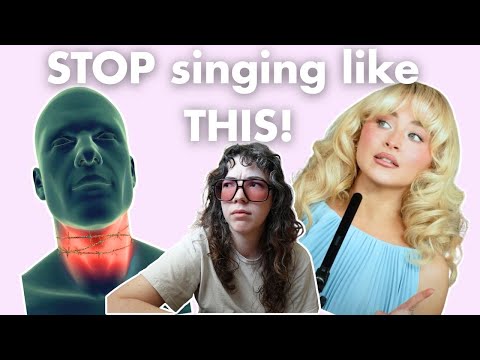
Even dedicated students can fall into patterns that slow their development. Here are the most common pitfalls:
- Skipping warm-ups: Jumping straight into songs without vocal exercises increases the risk of strain and limits your range.
- Comparing yourself to professionals: Professional singers have years of training behind them. Comparing your early progress to theirs is both unfair and discouraging.
- Practicing with poor technique: Repeating bad habits reinforces them. Always practice with intention and, when possible, under the guidance of a qualified instructor.
- Ignoring rest days: Vocal cords need recovery time just like any muscle. Over-practicing can lead to fatigue and even nodules.
- Neglecting music theory: Understanding rhythm, keys, and chord progressions makes you a more versatile and confident singer.
Expert Tips to Maximize Your Adult Singing Lessons
Here are actionable recommendations from experienced vocal coaches that can accelerate your progress:
- Record your lessons: Listening back helps you hear improvements you may not notice in the moment and tracks your development over time.
- Practice consistently, not just intensely: Thirty focused minutes daily outperforms a two-hour session once a week.
- Stay hydrated and avoid dairy before practice: Dairy can increase mucus production and affect vocal clarity.
- Sing songs you genuinely enjoy: Motivation is one of the strongest predictors of progress. Choose repertoire that excites you.
- Communicate openly with your instructor: If a technique feels uncomfortable or a lesson pace feels too fast, speak up. Good coaches adjust to your needs.
Frequently Asked Questions
Can adults really learn to sing if they have a “bad” voice?
Absolutely. The vast majority of people who believe they are “tone-deaf” simply lack pitch-matching skills, which are entirely trainable through consistent vocal coaching. Almost every adult can learn to sing in tune with proper guidance and dedicated practice.
How often should adults take singing lessons?
Most vocal coaches recommend one lesson per week for steady progress. Advanced students preparing for performances or auditions may benefit from two sessions weekly, combined with daily home practice.
What is the best age to start adult singing lessons?
There is no “too late” age for adult vocal training. Vocal lessons benefit people well into their 60s and beyond. The key is finding an instructor experienced with adult learners who understands the unique physical and psychological needs of mature voices.
How much do adult singing lessons typically cost?
Prices vary widely based on location, instructor experience, and format. Private lessons typically range from $50 to $150 per hour, while online coaching can be more affordable, starting around $30 per session. Group classes and workshops offer a budget-friendly alternative at $20 to $50 per class.
Do I need any prior musical experience to start singing lessons?
No prior musical experience is required. Most adult singing programs begin at the foundational level and build from there. Your instructor will introduce you to music theory concepts alongside vocal technique as you progress.
Final Thoughts on Adult Singing Lessons
Adult singing lessons are one of the most rewarding investments you can make in your personal growth and creative expression. The journey from uncertain beginner to confident, skilled singer is entirely achievable with the right instruction, consistent practice, and a genuine love for music. Whether you choose private vocal coaching, group classes, or online training, the most important step is simply starting. Your voice is your instrument, and it is ready to be developed — at any age, at any skill level. Take that first lesson, trust the process, and enjoy the incredible transformation that awaits you.