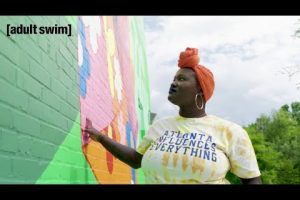
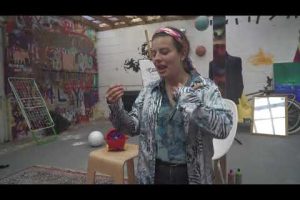
Artist spotlight interview questions have become one of the most powerful tools for content creators, gallery curators, podcast hosts, and magazine editors who want to bring creative professionals into the spotlight. Whether you are a journalist preparing for a deep-dive feature, a social media manager curating an Instagram take-over series, or a gallery owner scripting a behind-the-scenes artist profile, the questions you ask can make or break the quality of the final piece. The difference between a forgettable Q&A and a viral, emotionally resonant interview often comes down to preparation, specificity, and an understanding of what makes an artist tick. In this comprehensive guide, we will explore everything you need to know about crafting, structuring, and delivering artist spotlight interview questions that uncover compelling stories, reveal hidden creative processes, and captivate audiences across platforms.
What Are Artist Spotlight Interview Questions?
Artist spotlight interview questions are carefully curated prompts designed to draw out personal narratives, technical insights, and emotional depth from visual artists, musicians, performers, writers, and other creative professionals. Unlike standard interview questions that focus on surface-level facts, artist spotlight questions go deeper. They aim to explore the intersection of an artist’s personal identity, their creative methodology, and the cultural or social context that shapes their work. These questions serve multiple purposes: they humanize the creative process for audiences, provide educational value for emerging artists, and generate rich content that drives engagement and search visibility. When optimized correctly, content built around artist spotlight questions can rank highly for long-tail queries like “how to interview artists for a magazine” or “artist interview questions for beginners.”
Why Artist Spotlight Interviews Matter
The creative world thrives on storytelling, and artist spotlight interviews sit at the heart of that storytelling ecosystem. Here is why they matter more than ever in today’s digital landscape:
- Audience Connection: People want to know the person behind the art. Interviews create emotional bridges between creators and their communities.
- SEO Value: Artist spotlight content targets high-intent search queries, bringing organic traffic from art enthusiasts, students, and fellow creatives.
- Community Building: Featuring artists builds trust within creative communities and positions your platform as a thought leader.
- Archive Value: Well-crafted interviews become evergreen assets that continue generating views and engagement months or years after publication.
- Cross-Platform Content: Interview transcripts can be repurposed into blog posts, video scripts, social media threads, and podcast episodes.
Types of Artist Spotlight Interview Questions
Creative Background Questions
These questions focus on the artist’s origin story, influences, and formative experiences. They set the tone for the entire interview and help audiences understand the context behind the work. Examples include inquiries about early exposure to art, pivotal mentors, and defining moments in the artist’s journey.
Process and Technique Questions
These questions dig into the mechanics of creation. They explore studio practices, material choices, workflow habits, and the challenges the artist faces during the creative process. These are especially valuable for audiences who want actionable insights they can apply to their own practice.
Career and Vision Questions
These questions look forward, asking about future projects, artistic goals, industry observations, and the role the artist envisions for themselves in the broader creative landscape. They signal professionalism and help audiences see the bigger picture.
Top Artist Spotlight Interview Questions by Category

Below is a curated list of the most effective questions organized by category. Each question is designed to elicit specific, memorable responses rather than generic answers.
Opening and Introspective Questions
- Can you walk us through the moment you first realized you wanted to pursue art as a career?
- What does your creative identity mean to you, and how has it evolved over time?
- Is there a single piece of art or an artist that fundamentally changed the way you see the world?
- How do you define success in your creative work?
Process-Oriented Questions
- Can you describe your studio environment and how it influences your creative output?
- What is your typical workflow from the first spark of an idea to the finished piece?
- What materials or tools are non-negotiable for you, and why?
- How do you handle creative blocks or periods of self-doubt?
- Do you work alone or collaborate, and how does that dynamic shape your results?
Cultural and Social Context Questions
- How does your cultural background or personal identity influence your artistic choices?
- What social or political themes do you feel compelled to address through your work?
- How has the art community in your region shaped your artistic voice?
- What role do you believe art plays in driving social change?
Forward-Looking and Career Questions
- What upcoming projects or exhibitions are you most excited about?
- If you could change one thing about the art industry, what would it be?
- What advice would you give to young creatives just starting out?
- Where do you see your artistic practice in five years?
How to Prepare for an Artist Spotlight Interview
Preparation is the secret ingredient that separates a mediocre interview from an extraordinary one. Before you even ask your first question, invest time in researching the artist thoroughly. Study their portfolio, read previous interviews, and familiarize yourself with their body of work and public statements. This research allows you to ask informed, specific questions that demonstrate respect for the artist’s craft.
Next, tailor your question set to the artist’s medium and career stage. A question about gallery representation might be highly relevant for a working painter but irrelevant for an emerging digital artist just starting out. Always build a balanced mix of warm, approachable opening questions and more probing, thought-provoking prompts. Structure the interview so that it flows naturally from personal background into creative process and finishes with forward-looking insights.
Pro Tip: Prepare three to five follow-up questions for each main question. The best responses often come from your second or third question on a topic, when the artist has relaxed and is willing to share more vulnerable, detailed answers.
Expert Tips for Crafting Better Artist Spotlight Questions
Here are actionable strategies that experienced interviewers and content creators use to elevate their artist spotlight content:
- Be specific, not generic: Instead of asking “What inspires you?”, ask “What specific experience in your childhood still influences your color palette today?”
- Use the artist’s language: Reference specific works, exhibitions, or quotes from the artist to show you have done your homework.
- Allow silence: Give the artist space to think and elaborate. Pauses often lead to the most authentic, powerful responses.
- Balance depth with accessibility: Your questions should be intellectually stimulating but still understandable to a general audience.
- Close with a personal question: End the interview with something unexpected, like “What song is on repeat in your studio right now?” This humanizes the artist and creates a memorable finish.
Comparison Table: Artist Spotlight Questions for Different Experience Levels
| Experience Level | Best Question Types | Example Focus Areas | Recommended Tone |
| Beginner / Emerging Artists | Introspective, journey-focused | Early influences, first breakthrough, learning challenges | Warm, encouraging, curious |
| Mid-Career Artists | Process and evolution-focused | Shifts in style, studio practice, professional challenges | Professional, inquisitive, respectful |
| Established / Veteran Artists | Vision and legacy-focused | Industry impact, mentoring, future ambitions, philosophy | Authoritative, reflective, collaborative |
This comparison table illustrates how the depth, tone, and focus of your artist spotlight interview questions should shift depending on where the artist is in their career. Asking an emerging artist about their legacy can feel premature, while asking a veteran artist about their first art class might seem patronizing. Always match your question set to the artist’s experience and comfort level.
Common Mistakes to Avoid in Artist Spotlight Interviews
- Asking overly broad questions: “Tell us about yourself” is a recipe for generic, forgettable answers. Always narrow your focus.
- Ignoring the artist’s comfort zone: Pushing too hard into personal territory can make the interview feel exploitative rather than celebratory.
- Neglecting the audience: Remember that your readers or viewers are also stakeholders. Every question should serve their curiosity and learning goals.
- Failing to follow up: The most interesting parts of interviews often emerge in the moments after the main question. Do not rush to the next topic.
- Over-rehearsing: While preparation is essential, sounding scripted can kill the natural flow and spontaneity that makes interviews compelling.
How to Structure Your Artist Spotlight Interview for Maximum Impact
For content creators looking to maximize both audience engagement and search performance, a clear structure is essential. Start with a brief introduction that frames the artist’s significance and sets the stage for the conversation. Move through personal background, creative process, and cultural impact before closing with a memorable takeaway. This structure mirrors the way readers naturally scan content, making it ideal for both featured snippets and long-form engagement.
FAQs About Artist Spotlight Interview Questions
What are the best artist spotlight interview questions for a podcast series?
For podcasts, focus on questions that invite storytelling and emotional resonance. Ask about the artist’s origin story, their most vulnerable creative moments, and how they navigate criticism. These formats perform exceptionally well for audience retention and shareability.
How do you write artist spotlight questions that rank on Google?
Target long-tail keywords such as “artist spotlight interview questions for beginners” or “questions to ask painters in an interview.” Structure your content with clear headings, use natural keyword variations throughout the body text, and include structured data like comparison tables to improve your chances of earning featured snippets.
What is the difference between a basic interview and an artist spotlight interview?
A basic interview typically covers facts and general opinions. An artist spotlight interview goes deeper, focusing on the creative process, personal narrative, and cultural significance of the artist’s work. The questions are more intentional, the framing is more thematic, and the output is designed to stand as a standalone piece of content.
How many questions should be in an artist spotlight interview?
A well-structured artist spotlight interview typically contains between 12 and 20 questions. Too few and you risk a shallow conversation; too many and the artist may feel overwhelmed or the interview becomes repetitive. Aim for quality over quantity and prioritize questions that build on each other.
Can artist spotlight interview questions work for non-visual artists?
Absolutely. These questions are highly adaptable for musicians, writers, dancers, filmmakers, and performers. The core principles remain the same: explore the personal journey, the creative process, and the cultural impact. Simply tailor the language to reflect the artist’s medium and discipline.
What should you avoid asking in an artist spotlight interview?
Avoid questions that are overly personal, intrusive, or that reduce the artist to a single characteristic. Never ask questions whose answers can easily be found on the artist’s website or social media. Respect boundaries, and always approach the conversation with genuine curiosity rather than a checklist mentality.
Conclusion
Artist spotlight interview questions are far more than a list of prompts — they are a framework for uncovering the stories, struggles, and triumphs that make every creative professional unique. Whether you are a seasoned interviewer or just starting out, investing time in crafting thoughtful, specific, and context-aware questions will transform your content from forgettable to unforgettable. The best interviews leave both the artist and the audience feeling seen, understood, and inspired. By following the strategies, question sets, and preparation techniques outlined in this guide, you will be well-equipped to conduct artist spotlight interviews that resonate deeply, rank strongly, and build lasting connections with your audience. Start refining your question sets today, and watch as your artist content becomes the cornerstone of your platform’s authority and reach.