


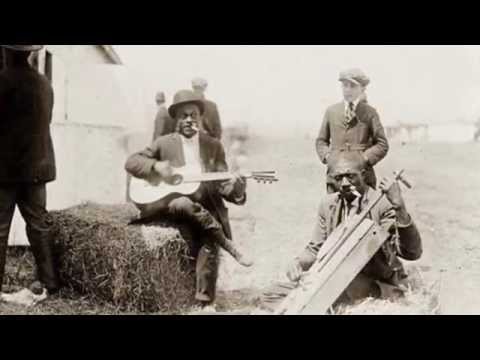
African American music history is one of the most powerful and transformative cultural narratives in the United States. From the sorrow of enslaved communities singing spirituals in the fields to the global dominance of hip-hop and R&B on modern charts, Black music has shaped the American soundscape in ways that extend far beyond entertainment. Understanding the roots of African American music means understanding America itself — its struggles, its innovations, and its relentless spirit of reinvention. This deep dive explores every major era, genre, and cultural milestone that defines how African Americans built musical traditions that now influence artists and listeners worldwide.
The Roots and Origins of African American Music
The story begins long before recorded music existed. Enslaved Africans brought rich musical traditions rooted in polyrhythmic percussion, call-and-response singing, and communal storytelling. These practices were not just artistic expressions — they were survival tools. Music preserved cultural memory, communicated hidden messages, and provided emotional resistance under brutal conditions.
African Musical Traditions in America
When enslaved people were forcibly brought to America, their musical heritage merged with European colonial sounds, creating something entirely new. Key elements carried across the Atlantic include:
- Call-and-response patterns — a dialogue between a lead singer and a group, still foundational in gospel, blues, and hip-hop
- Syncopation and complex rhythms — the off-beat accents that later defined jazz, funk, and everything in between
- Oral tradition and improvisation — the practice of creating music spontaneously rather than reading from written notation
- Pentatonic scales and blue notes — tonal qualities that gave the blues its distinctive emotional texture
Spirituals became the first major form of African American music to gain wider recognition. Songs like “Wade in the Water” and “Swing Low, Sweet Chariot” carried layered meanings — often serving as coded instructions for the Underground Railroad while expressing deep faith and longing for freedom.
The Birth of the Blues
The blues emerged in the late 19th and early 20th centuries, born in the Mississippi Delta and other rural Southern communities. This genre gave voice to the pain, resilience, and everyday experiences of Black Americans after Reconstruction and during the Jim Crow era.
Delta Blues and Its Pioneers
Delta blues artists like Robert Johnson, Charley Patton, and Son House laid the groundwork for virtually every popular music genre that followed. Their raw, acoustic sound — built around bottleneck guitar techniques and deeply personal lyrics — told stories of hardship, love, betrayal, and migration. The Great Migration carried the blues northward to cities like Chicago, Detroit, and New York, where it evolved and electrified.
Key characteristics that define the blues include the twelve-bar blues structure, the use of dominant seventh chords, and lyrical themes centered on hardship, travel, and personal struggle. These elements became the DNA of rock and roll, rhythm and blues, and modern soul music.
Jazz: America’s Classical Music

Jazz is arguably the most significant musical innovation to originate from the United States, and its roots are deeply African American. Born in New Orleans in the early 1900s, jazz combined blues progressions, ragtime syncopation, and brass band traditions into a revolutionary art form built entirely on improvisation, collective interplay, and rhythmic complexity.
The genre exploded through the work of towering figures like Louis Armstrong, Duke Ellington, Billie Holiday, Charlie Parker, and Miles Davis. Each brought something transformative:
- Louis Armstrong — revolutionized trumpet playing and vocal phrasing, making jazz accessible to mass audiences
- Duke Ellington — elevated jazz composition to high art, writing thousands of pieces over a six-decade career
- Charlie Parker — pioneered bebop, a complex, fast-tempo style that redefined improvisation
- Miles Davis — constantly reinvented jazz, from cool jazz to fusion, influencing generations of musicians
Jazz also became a vehicle for social change during the Civil Rights Movement. Artists like Nina Simone used their platforms to address racial injustice directly, proving that African American music was never just about entertainment — it was a form of activism.
Gospel and Spiritual Music
Gospel music grew directly out of the Black church tradition, blending spiritual lyrics with the rhythmic intensity of the blues. Thomas A. Dorsey, often called the “Father of Gospel Music,” fused secular blues structures with sacred themes in the 1930s, creating a genre that would influence everything from soul to contemporary Christian music.
Mahalia Jackson’s powerful vocals brought gospel to national and international stages. Her collaboration with Martin Luther King Jr. and her performances at civil rights rallies demonstrated how African American sacred music served as both worship and a rallying cry for justice.
R&B and the Soul Music Revolution
The post-World War II era saw the rise of rhythm and blues (R&B), a genre that electrified the blues and added gospel-influenced vocals, driving basslines, and sophisticated arrangements. Artists like Ray Charles, Sam Cooke, and Ruth Brown bridged the gap between Black communities and mainstream audiences, laying the foundation for soul music.
The Motown Sound, developed by Berry Gordy in Detroit during the 1960s, became one of the most commercially successful and culturally significant movements in music history. Acts like The Supremes, Marvin Gaye, Stevie Wonder, and The Temptations produced polished, emotionally rich music that transcended racial barriers on the radio and the charts.
Meanwhile, in Memphis, Stax Records and Atlantic Records championed a grittier, more raw approach to soul. Artists like Otis Redding, Aretha Franklin, and Al Green delivered performances so emotionally powerful that their recordings remain touchstones decades later.
Hip-Hop and Rap: The Fourth Pillar
Few cultural movements in the 20th century match the global impact of hip-hop. Emerging from the Bronx in the 1970s, hip-hop grew out of block parties where DJs like Kool Herc, Grandmaster Flash, and Afrika Bambaataa isolated and extended breakbeats — the percussive, danceable sections of funk and soul records. MCs began rapping over these beats, creating a new art form built on lyrical storytelling, rhythmic innovation, and cultural commentary.
Timeline of Hip-Hop Evolution
| Era | Key Characteristics | Notable Artists |
| 1970s–Early 1980s | Party-oriented, breakbeat focused, community-driven | Grandmaster Flash, Afrika Bambaataa |
| Mid 1980s–Early 1990s | Social commentary, complex lyricism, boom-bap production | Run-DMC, Public Enemy, Nas, Rakim |
| Mid 1990s–2000s | Gangsta rap, Southern hip-hop, commercial mainstream crossover | Tupac, Biggie, OutKast, Jay-Z |
| 2010s–Present | Genre-blending, streaming-era dominance, global influence | Kendrick Lamar, Drake, J. Cole, Megan Thee Stallion |
Today, hip-hop is the most consumed music genre in the world. Its influence extends into fashion, language, film, politics, and advertising. The genre continues to evolve through subgenres like trap, conscious rap, alternative hip-hop, and Afro-fusion, each adding new layers to the rich tapestry of African American musical innovation.

Comparison Table: Key Genres and Their Influence
| Genre | Origin Period | Primary Influences | Modern Legacy |
| Spirituals | 1700s–1860s | West African vocal traditions, Christian hymns | Gospel, folk revival, protest songs |
| Blues | 1860s–1920s | Field hollers, work songs, spirituals | Rock and roll, R&B, country |
| Jazz | 1900s–1940s | Blues, ragtime, brass bands | Bebop, fusion, neo-soul, film scoring |
| Gospel | 1930s–present | Spirituals, blues, church hymns | Soul, R&B, contemporary Christian music |
| R&B / Soul | 1940s–1970s | Blues, gospel, jazz | Pop, neo-soul, modern hip-hop |
| Hip-Hop | 1970s–present | Funk, soul, jazz, spoken word | Global pop culture, fashion, film |
Practical Tips for Exploring African American Music History
If you want to deepen your understanding of Black music traditions, here are expert recommendations:
- Start with foundational albums: Build a listening foundation with landmark records like Muddy Waters’ Folk Singer, Miles Davis’ Kind of Blue, Aretha Franklin’s I Never Loved a Man the Way I Love You, and Kendrick Lamar’s To Pimp a Butterfly
- Read deeply: Explore books like Africa Speaks, America Answers by Frederick Douglass and The History of Rock & Roll in Ten Songs by Greil Marcus for context beyond just the music
- Visit cultural institutions: The Smithsonian National Museum of African American History and Culture and the Blues Foundation offer immersive resources
- Follow living traditions: Attend jazz festivals, gospel choir performances, and hip-hop shows to experience how these genres continue to evolve in real time
- Study the lineage: Trace how a single musical idea — like the twelve-bar blues progression — travels from field hollers to rock and roll to hip-hop, revealing the interconnectedness of Black musical traditions
Conclusion
The history of African American music is not a subchapter of American history — it is American history. Every genre that dominates global playlists today carries the DNA of Black musical innovation, resilience, and creativity. From the spirituals sung in secret to the beats dropped on SoundCloud and TikTok, African American music continues to define what it means to create, resist, and celebrate through sound. Understanding this history is essential for anyone who wants to truly appreciate the music that moves the world.
Frequently Asked Questions
What is the oldest form of African American music?
The oldest documented form of African American music is the spiritual, which emerged during the slavery era. These songs blended West African musical traditions with Christian hymns and served as both expressions of faith and covert communication tools.
How did African American music influence rock and roll?
Rock and roll was directly built on African American musical foundations, particularly blues, rhythm and blues, and gospel. Artists like Chuck Berry, Little Richard, and Fats Domino — all Black musicians — were pioneers of the genre before it was commercially repackaged and marketed to wider audiences.
Why is hip-hop considered the most influential music genre of the modern era?
Hip-hop’s influence extends beyond music into fashion, language, visual art, dance, and political discourse. It gave marginalized communities a global platform and became the most streamed genre worldwide, shaping how stories are told and cultures are shared across borders.
What role did Motown Records play in African American music history?
Motown Records, founded by Berry Gordy in Detroit in 1959, was a game-changer for racial integration in popular music. It produced crossover hits that reached both Black and white audiences, proving that Black artistry could dominate mainstream charts while maintaining cultural authenticity.
How can someone begin studying African American music history seriously?
Start by listening to foundational albums across genres, reading scholarly works like The Music of Black Americans by Eileen Southern, and engaging with museums and archives dedicated to Black cultural heritage. Attending live performances and supporting contemporary Black artists keeps the tradition alive and evolving.