


The 1980s stand as one of the most transformative decades in the history of popular music. From the birth of synth-pop and the explosion of MTV to the rise of hip-hop and the dominance of power ballads, 1980s music trends reshaped how people consumed, produced, and experienced sound. Whether you are a longtime fan revisiting the golden era or a younger listener discovering the decade for the first time, understanding what made 80s music so culturally significant offers valuable insight into modern music evolution. This deep dive explores the defining movements, technologies, and artists that made the 1980s a revolutionary period for music lovers worldwide.
The Rise of Synth-Pop and New Wave
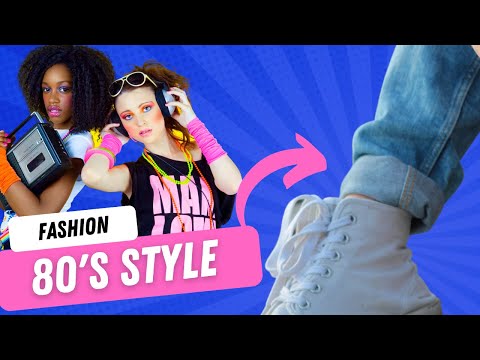
Few 1980s music trends were as influential as the synth-pop and new wave movements. Artists embraced electronic synthesizers, drum machines, and sequencers to create sounds that had never been heard before. Bands like Depeche Mode, New Order, and A-ha pioneered a futuristic aesthetic that paired catchy melodies with cold, mechanical production. The genre gave birth to chart-topping hits that still dominate radio waves and playlists today.
What made synth-pop so compelling was its accessibility. Unlike earlier electronic music that felt experimental and niche, 1980s synth-pop was designed for mass appeal. Producers like Trevor Horn and Giorgio Moroder pushed the boundaries of what a pop song could sound like, blending organic vocals with synthetic textures. The result was a sound that felt simultaneously futuristic and emotionally resonant.
Key characteristics of the synth-pop movement included:
- Heavy use of analog and early digital synthesizers like the Yamaha DX7 and Roland Juno-106
- Lush, layered production with gated reverb on drums
- Catchy, hook-driven melodies paired with introspective or atmospheric lyrics
- Visual aesthetics inspired by science fiction and futuristic fashion
MTV and the Visual Revolution in 80s Music
How Music Videos Changed the Industry Forever
When MTV launched in August 1981, it fundamentally altered the relationship between music and image. Suddenly, artists needed more than a great song — they needed a compelling visual identity. This shift became one of the most impactful 1980s music trends, turning musicians into multimedia entertainers and visual performers.
Michael Jackson’s “Thriller” set the gold standard for music video production, blending narrative storytelling with choreography and cinematic quality. Madonna leveraged MTV to craft a bold, provocative persona that challenged norms and dominated cultural conversations. Prince used the platform to fuse funk, rock, and pop into a visual spectacle that defied genre boundaries.
The MTV era created new pathways to fame. Bands like Duran Duran and Wham! became global superstars largely because of their music video presence. Record labels invested heavily in visual marketing, and directors became essential creative partners alongside producers and songwriters.

The Dominance of Pop Ballads and Power Pop
The 1980s were also defined by an explosion of pop ballads that dominated airwaves and sold millions of copies. Artists like Whitney Houston, Lionel Richie, George Michael, and Richard Marx perfected the art of the emotional power ballad — sweeping arrangements, soaring vocals, and lyrics about love, heartbreak, and longing.
Power pop, a slightly different but related 80s music trend, focused on guitar-driven hooks and high-energy melodies. Bands like Bon Jovi, Def Leppard, and Journey created anthemic songs built for stadiums and arenas. These tracks often featured multi-layered vocal harmonies, heavy percussion, and guitar solos designed to captivate massive live audiences.
Some defining examples of this era include:
- Whitney Houston — “I Wanna Dance with Somebody” (1987)
- Bon Jovi — “Livin’ on a Prayer” (1986)
- George Michael — “Careless Whisper” (1984)
- Journey — “Don’t Stop Believin'” (1981)
- Richard Marx — “Right Here Waiting” (1989)
These songs remain staples of classic rock and adult contemporary radio, proving the lasting power of 1980s songwriting craftsmanship.
Hip-Hop’s Golden Age Begins
While pop and synth-pop ruled the charts, hip-hop underwent a dramatic transformation during the 1980s. What began as a grassroots movement in New York City block parties evolved into a mainstream cultural force. Groups like Run-DMC, Public Enemy, and N.W.A pushed boundaries, addressing social issues while introducing new rhythmic complexity and lyrical depth.
The 1980s hip-hop movement introduced sampling as a legitimate production technique, transforming how music was created. Producers borrowed loops and breaks from funk, soul, and disco records, building entirely new compositions from existing material. This approach laid the groundwork for every major hip-hop and electronic genre that followed.
Key developments in 80s hip-hop included the emergence of subgenres like gangsta rap, conscious rap, and electro-funk. The decade also saw hip-hop fashion — leather jackets, gold chains, oversized jeans, and sneakers — become a global style phenomenon that extended far beyond the music itself.
Key 1980s Music Trends Compared
Understanding how different 1980s music trends compared helps paint a fuller picture of the decade’s diversity. The table below highlights major movements and their defining characteristics.
| Trend | Key Artists | Defining Sound | Cultural Impact |
| Synth-Pop | Depeche Mode, A-ha, Pet Shop Boys | Electronic synthesizers, drum machines | Pioneered electronic pop for mainstream audiences |
| Power Ballads | Whitney Houston, Journey, Bon Jovi | Orchestral arrangements, soaring vocals | Defined emotional pop and arena rock |
| Hip-Hop | Run-DMC, Public Enemy, N.W.A | Sampling, drum machines, rapping | Launched a global cultural movement |
| New Wave | The Cure, Talking Heads, Blondie | Post-punk experimentation, quirky melodies | Bridged underground and mainstream rock |
| Hair Metal | Poison, Mötley Crüe, Ratt | Heavy guitars, anthemic choruses | Dominant rock subgenre of the late 80s |
| R&B and Electro | Prince, Bobby Brown, Janet Jackson | Funk, synthesizers, dance rhythms | Set the standard for crossover pop stardom |
Expert Tips for Understanding 80s Music Culture
If you are exploring 1980s music trends for the first time or deepening your appreciation, consider these practical recommendations from a production and cultural perspective.
Listen beyond the singles. Many 80s albums contained deep cuts that showcased the full breadth of an artist’s creativity. Albums like Peter Gabriel’s “So,” Talk Talk’s “The Colour of Spring,” and Depeche Mode’s “Violator” reward careful listening with layers of sonic detail that singles alone cannot convey.
Study the production techniques. The 1980s introduced groundbreaking methods like gated reverb (popularized by producer Hugh Padgham with Phil Collins), digital reverb, and early sampling. Understanding how these sounds were created enriches your listening experience and helps you recognize the decade’s signature sonic fingerprints.
Explore regional variations. 80s music trends were not uniform across the globe. British synth-pop differed significantly from American hair metal, which contrasted with the raw energy of East Coast hip-hop and the synth-heavy pop of Scandinavian artists. Each regional scene contributed unique elements to the broader musical landscape.
Pay attention to fashion and visual identity. In the MTV age, how artists presented themselves was inseparable from their music. The bold fashion choices of Madonna, Prince, and David Bowie were extensions of their artistic vision, not mere decoration.
Frequently Asked Questions
What were the biggest 1980s music trends that defined the decade?
The most defining 1980s music trends include the rise of synth-pop and new wave, the visual revolution driven by MTV, the dominance of power ballads and arena rock, the mainstream breakthrough of hip-hop, and the emergence of hair metal. Each of these movements contributed uniquely to the decade’s rich musical tapestry, and many of them continue to influence contemporary artists and producers today.
How did MTV change 80s music culture?
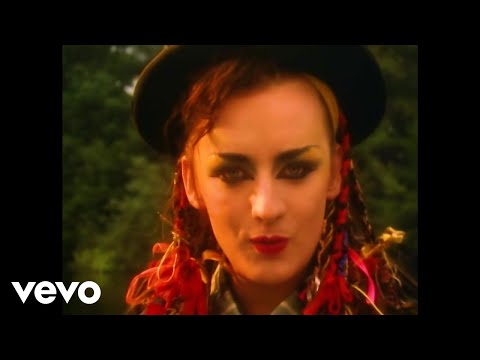
MTV transformed music from a purely audio experience into a visual medium. Artists now needed to be compelling on camera, which led to more theatrical performances, elaborate music videos, and the blending of fashion, choreography, and storytelling with songcraft. This shift gave rise to superstars like Michael Jackson and Madonna, whose visual identities became as iconic as their music.
Which 1980s music trend had the longest lasting impact on modern music?
Hip-hop’s emergence during the 1980s arguably had the most lasting impact on modern music. The sampling techniques, lyrical styles, and production methods developed during this era became the foundation for virtually every major genre that followed, from trap and lo-fi to modern pop and electronic music. The decade also popularized the idea of the music artist as a multimedia brand, a concept that dominates the streaming era today.
Why was synth-pop so popular in the 1980s?
Synth-pop gained popularity because it represented a departure from the guitar-driven rock that had dominated the 1970s. Its electronic sounds felt fresh, futuristic, and exciting, and the genre’s emphasis on melody and hooks made it accessible to mainstream audiences. Additionally, affordable synthesizers like the Yamaha DX7 allowed independent artists and smaller labels to produce professional-sounding music without expensive studio ensembles.
What role did technology play in shaping 80s music trends?
Technology was arguably the single most important driver of 1980s music trends. The introduction of digital synthesizers, drum machines like the Roland TR-808 and LinnDrum, affordable multitrack recording, and the compact disc revolutionized both production and distribution. Artists could now create entirely new sounds in home studios, and the CD format offered superior audio quality that encouraged listeners to invest in music collections.
Conclusion
The 1980s remain a landmark era in music history, defined by innovation, experimentation, and cultural transformation. From the pulsing beats of synth-pop to the raw storytelling of hip-hop, from the visual spectacle of MTV to the timeless emotional power of the pop ballad, 1980s music trends established templates that continue to shape how music is made, marketed, and enjoyed. The decade proved that music is not just sound — it is a cultural force that reflects the hopes, anxieties, and aspirations of a generation. Whether you are studying the period academically, curating a playlist, or simply revisiting the tracks that defined your youth, the music of the 1980s rewards deep exploration and promises enduring discovery.