


The Norton Field Guide to Writing has long been regarded as one of the most comprehensive and widely adopted resources for college-level composition courses. At the heart of this textbook lies a carefully curated taxonomy of norton field guide genres, each designed to help writers understand, analyze, and produce texts across a range of rhetorical contexts. Whether you are a first-year undergraduate navigating academic expectations or a seasoned writer refining your craft, understanding the genre framework inside this guide can transform the way you approach every writing assignment. This article dives deep into the genres covered by the Norton Field Guide, explores their practical applications, and offers expert insights that go beyond surface-level summaries.
What Are the Norton Field Guide Genres?
The Norton Field Guide organizes writing into distinct genres, or categories of texts, each governed by its own conventions, purposes, and audience expectations. Rather than treating writing as a single monolithic skill, the guide breaks composition into manageable, purposeful forms. Each genre comes with annotated student models, drafting strategies, and revision checklists, making it one of the most pedagogically robust resources available for writers at every level.

Why Genre Awareness Matters in Academic Writing
Understanding genres is not just an academic exercise. When writers recognize the conventions of a particular form, they can make more deliberate choices about structure, tone, evidence, and language. The Norton Field Guide emphasizes that genre knowledge transfers across disciplines and professional settings, giving writers a flexible toolkit they can apply in virtually any context. This approach aligns with contemporary rhetoric and composition theory, which treats writing as a socially situated act rather than a generic skill.
Core Genres Covered in the Norton Field Guide

The guide organizes its coverage around several foundational genres that represent the most common writing tasks in college and beyond. Each genre section includes clear explanations of purpose, audience considerations, structural patterns, and real-world examples.
Narrative Writing
Narrative genre writing in the Norton Field Guide focuses on telling stories, whether personal, biographical, or analytical. The guide teaches writers how to use vivid detail, dialogue, pacing, and reflection to engage readers emotionally and intellectually. Narrative writing is not limited to creative contexts; it also appears in reflective essays, case studies, and professional reports where storytelling strengthens the argument.
Descriptive Writing
Description genre exercises help writers paint a picture with words, appealing to the senses and creating a strong sense of place, person, or object. The Norton Field Guide provides strategies for choosing sensory details, organizing descriptive passages, and avoiding mere listing in favor of purposeful, evocative language.
Classification and Division
This genre requires writers to break a subject into categories or to group items based on shared characteristics. The guide offers step-by-step guidance on selecting a meaningful organizing principle, developing consistent categories, and providing enough detail within each group to satisfy the reader’s curiosity.
Process Analysis
Process analysis writing explains how something works or how to do something. The Norton Field Guide distinguishes between directional processes (how to perform a task) and informational processes (how something functions), and it provides templates and models for both.
Definition Writing
The definition genre goes beyond dictionary entries to explore the nuanced meaning of complex or contested terms. Writers learn to use examples, negation, etymology, and comparison to build definitions that are both precise and engaging.
Comparison and Contrast
This genre examines similarities and differences between two or more subjects. The guide presents both the block method and the point-by-point method, helping writers choose the structure that best serves their argument and audience.
Cause and Effect
Writers using the cause-and-effect genre explore why events happen and what results from them. The Norton Field Guide teaches how to avoid oversimplification, support claims with evidence, and organize complex chains of causation clearly.
Argument and Persuasion
The argument genre receives extensive treatment in the guide, covering claims, evidence, counterarguments, and appeals to logos, ethos, and pathos. This section is particularly valuable for students preparing for research-based persuasive writing in academic and civic contexts.
Research Writing
Research genre writing in the Norton Field Guide covers source evaluation, documentation styles, synthesis, and academic argumentation. The guide provides models of annotated bibliographies, literature reviews, and documented essays that serve as templates for real research projects.
Literary Analysis and Critical Reading
This genre teaches writers to interpret texts closely, develop a thesis-driven argument about a work’s meaning, and support their claims with textual evidence. The guide also covers genre-specific strategies for analyzing poetry, fiction, drama, and nonfiction.
Genre Comparison Table
Understanding how genres differ at a glance can help writers choose the right approach for their assignment. Below is a comparison table highlighting key differences among the major genres in the Norton Field Guide.
| Genre | Primary Purpose | Typical Structure | Key Elements |
| Narrative | To tell a story or recount an experience | Chronological or thematic | Setting, characters, conflict, reflection |
| Description | To create a vivid impression | Spatial or sensory order | Sensory details, figurative language |
| Classification | To organize subjects into categories | Categorical groups | Organizing principle, examples per category |
| Process Analysis | To explain how something works or is done | Sequential steps | Clear stages, transitions, cautionary notes |
| Definition | To explain the meaning of a concept | Term, explanation, examples | Examples, etymology, negation |
| Comparison/Contrast | To examine similarities and differences | Block or point-by-point | Criteria for comparison, balanced treatment |
| Cause and Effect | To explain why something happened or its results | Causal chain or categorization | Evidence, multiple causes or effects |
| Argument | To persuade through reasoning and evidence | Claim, evidence, counterargument, conclusion | Logos, ethos, pathos, rebuttals |
| Research Writing | To investigate and present findings | Thesis-driven with cited sources | Sources, citations, synthesis, analysis |
| Literary Analysis | To interpret and evaluate a text | Thesis-driven with textual evidence | Close reading, textual quotations, argument |
Genres for Different Skill Levels
The Norton Field Guide is structured to support writers from beginner through advanced levels, and the genre coverage reflects this progression.
- Beginner Genres: Narrative, description, and definition writing serve as entry points because they rely on personal knowledge and observation rather than external research. These genres help writers build confidence in organizing ideas and developing a controlling idea.
- Intermediate Genres: Classification, process analysis, comparison/contrast, and cause/effect writing introduce more complex analytical thinking. Writers at this level learn to move beyond personal experience and engage with abstract concepts and multiple perspectives.
- Advanced Genres: Argument, research writing, and literary analysis demand higher-order thinking skills, including synthesis, critical evaluation, and the integration of outside sources. These genres prepare writers for graduate-level work and professional communication.
Expert Tips for Mastering Norton Field Guide Genres
Drawing from the strategies embedded in the guide and from experienced writing instructors, here are practical recommendations for getting the most out of each genre section.
- Start with the models. Every genre chapter in the Norton Field Guide includes student-written examples. Read these models carefully before you draft, noting how the writer structures paragraphs, uses transitions, and supports claims.
- Use the drafting strategies as a scaffold. The guide provides genre-specific brainstorming techniques, outlining advice, and first-draft tips. Treat these not as rigid formulas but as flexible frameworks that you can adapt to your own voice and purpose.
- Revise with the genre checklists. Each genre section ends with revision checklists that target common weaknesses. Use these lists during peer review sessions and self-editing passes to ensure your final draft meets the genre’s expectations.
- Cross genres intentionally. Advanced writers often blend elements from multiple genres. For instance, a research paper may use narrative to introduce a problem, classification to organize findings, and argument to draw conclusions. Understanding each genre’s rules gives you the freedom to break them purposefully.
- Practice genre transfer. The conventions of narrative writing differ from those of argument writing, and the Norton Field Guide makes these differences explicit. Practicing across genres builds rhetorical flexibility, which is one of the most valuable skills in both academic and professional writing.
How Norton Field Guide Genres Support Transferable Writing Skills
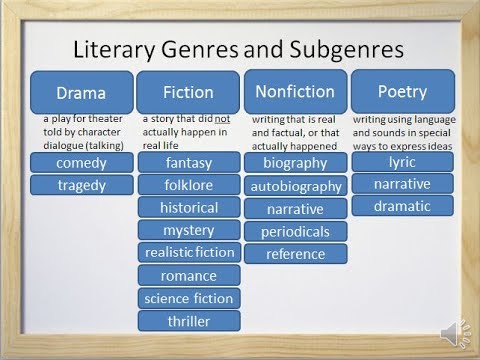
One of the most powerful aspects of the genre framework in the Norton Field Guide is its emphasis on transferability. The rhetorical skills you develop while writing a classification essay, for instance, apply directly to professional reports, marketing copy, and policy analyses. Similarly, the argumentative strategies practiced in academic essays translate seamlessly into persuasive emails, grant proposals, and opinion editorials. By treating each genre as a learning laboratory, the guide ensures that writers walk away with competencies that extend far beyond the composition classroom.
Conclusion
The Norton Field Guide genres represent one of the most thoughtfully designed and pedagogically sound approaches to teaching writing available today. From foundational narrative and descriptive writing to advanced argumentation and research synthesis, the guide equips writers with the knowledge, models, and strategies they need to succeed. Whether you are using the textbook in a classroom or studying independently, investing time in understanding each genre’s conventions and expectations will pay dividends in every piece of writing you produce. The key is to approach each genre not as a rigid template but as a flexible, purposeful form shaped by audience, purpose, and context.
Frequently Asked Questions
What are the main genres covered in the Norton Field Guide to Writing?
The Norton Field Guide covers narrative, description, classification, process analysis, definition, comparison/contrast, cause and effect, argument, research writing, and literary analysis genres. Each genre includes annotated models, drafting strategies, and revision checklists tailored to its specific conventions and rhetorical purpose.
How can beginners benefit from the Norton Field Guide genres?
Beginners benefit from the guide’s clear explanations, student models, and step-by-step drafting strategies for foundational genres like narrative, description, and definition writing. These genres build confidence by relying on personal experience and observation before introducing more complex analytical tasks.
Is the Norton Field Guide suitable for advanced writers?
Yes. The guide includes advanced genres such as argument, research writing, and literary analysis that challenge experienced writers to synthesize sources, construct complex arguments, and engage in close critical reading. The genre transferability features also help advanced writers adapt their skills to new rhetorical situations.
How do the Norton Field Guide genres compare to other composition textbooks?
Unlike many composition textbooks that organize content by writing process or skill level alone, the Norton Field Guide places genre at the center of its pedagogical approach. This makes it particularly effective for writers who need to understand the conventions of specific text types rather than learning composition as a generalized skill set.
Can the Norton Field Guide genres be applied to professional writing contexts?
Absolutely. The rhetorical skills and genre conventions taught in the Norton Field Guide transfer directly to professional writing tasks such as reports, proposals, memos, and persuasive communications. The guide explicitly encourages writers to see genre knowledge as a portable, adaptable skill set.
Where can I find additional practice for Norton Field Guide genres?
Instructors using the Norton Field Guide often supplement the textbook with additional writing prompts, peer review workshops, and genre-based portfolio assignments. The companion website and online resources also provide extra models, exercises, and interactive tools for practicing each genre covered in the guide.