Stranger Things has captivated millions of viewers worldwide since its debut on Netflix in 2016, but one question that consistently surfaces among fans and curious viewers alike is: what genre is Stranger Things? The answer isn’t as straightforward as you might think. This groundbreaking series doesn’t sit neatly inside a single category. Instead, it masterfully fuses multiple genres into a singular, addictive viewing experience that keeps audiences coming back for more. Whether you’re a seasoned fan who binge-watches the entire franchise in one sitting or someone just discovering the show for the first time, understanding the Stranger Things genre guide will deepen your appreciation for the storytelling craft behind every season. This comprehensive guide breaks down every genre layer, explores how the show blends them together, and gives you expert insights into why this genre-bending approach made Stranger Things a cultural phenomenon.
What Genre Is Stranger Things? A Complete Breakdown
At its core, Stranger Things is a science fiction horror drama with heavy supernatural and nostalgic influences. However, classifying it under just one label would be doing the show a massive disservice. The Duffer Brothers, creators of the series, deliberately wove together elements from multiple genres to create something entirely fresh and original. The primary genres associated with Stranger Things include:

- Science Fiction (Sci-Fi): The Upside Down, alternate dimensions, government experiments, and telekinetic powers all anchor the show firmly in the sci-fi realm.
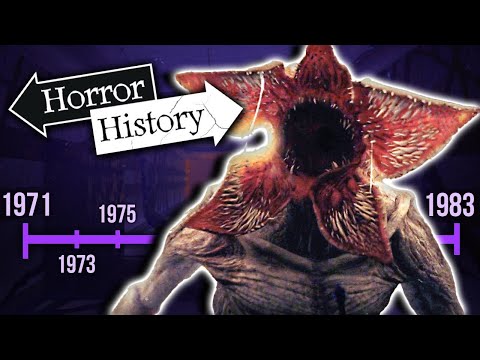
- Horror: Demogorgons, shadow monsters, body horror transformations, and genuinely terrifying sequences place Stranger Things alongside classic horror fare.
- Supernatural Thriller: Paranormal events, psychic abilities, and mysterious forces driving the narrative create an atmosphere of constant suspense.
- Coming-of-Age Drama: The show’s emotional heart lies in the friendships, family dynamics, and personal growth of its young characters.
- Nostalgic Adventure: Packed with 1980s pop culture references, the series functions as a love letter to a golden era of cinema and gaming.
The Key Genres That Define Stranger Things
Sci-Fi and Supernatural Elements
The sci-fi foundation of Stranger Things is built around the concept of parallel dimensions and government conspiracy. Hawkins National Laboratory serves as the catalyst for the supernatural events, tying real-world Cold War paranoia to fantastical storytelling. The Upside Down itself represents one of the most compelling sci-fi concepts in modern television — a dark, decaying mirror version of reality where the laws of nature are twisted and hostile. Elements like Eleven’s psychokinetic powers, the gate technology, and the interdimensional travel all draw from established sci-fi traditions while adding unique twists that feel wholly original.
Horror and Thriller Undertones
Stranger Things draws heavily from 80s horror cinema, paying homage to filmmakers like Stephen King, John Carpenter, and Wes Craven. The horror in the show operates on multiple levels. There’s the visceral, jump-scare horror of creatures like the Demogorgon and the Mind Flayer. Then there’s the psychological horror of watching characters lose control of their own bodies or minds. And beneath that sits the slow-burn thriller tension that permeates every episode — the dread of the unknown, the fear of what’s lurking just beyond perception. This layered approach to horror is a significant reason why the show appeals to both casual viewers and horror enthusiasts.
Nostalgic Drama and Coming-of-Age Storytelling
Strip away the monsters and the sci-fi trappings, and Stranger Things is fundamentally a story about friendship, loss, resilience, and growing up. The bond between Mike, Dustin, Lucas, and Will is the emotional backbone of the series. Their adventures mirror the classic coming-of-age narratives found in films like Stand By Me and The Goonies. Meanwhile, the parental storylines — Joyce Byers’ relentless determination to save her son, Jim Hopper’s journey through grief — add layers of mature dramatic weight that elevate the show beyond pure genre entertainment.
How Stranger Things Blends Multiple Genres Seamlessly
The Duffer Brothers’ Genre Vision
Matt and Ross Duffer have spoken extensively about their intention to create a show that defied easy categorization. Their creative process involved studying genre films from the 1980s and identifying what made them work. The key insight was that the best genre films always prioritized character and emotion over pure spectacle. This philosophy is evident in every season of Stranger Things. The show never lets its sci-fi or horror elements overshadow the human relationships at its center.
Consider how the show transitions between tones within a single episode. One scene might feature a genuinely harrowing confrontation with a Demogorgon, while the next cuts to the kids laughing over a Dungeons & Dragons campaign or sharing a pizza. This tonal fluidity is deliberate and requires skilled writing to execute without feeling jarring. The result is a viewing experience that satisfies fans of multiple genres simultaneously.
The Role of Music and Atmosphere
Kyle Dixon and Michael Stein’s synth-driven score deserves special mention in any Stranger Things genre guide. The music evokes the atmosphere of Tangerine Dream, John Carpenter, and Vangelis, reinforcing the show’s genre identity with every note. The soundtrack functions as an emotional compass, signaling when to feel suspense, wonder, heartbreak, or hope. It’s another layer of genre fusion — the audio design blends horror atmospherics with sci-fi synth textures and nostalgic warmth.
Genre Comparison: How Stranger Things Stands Against Similar Shows
To truly understand where Stranger Things fits in the television landscape, comparing it against similar genre shows is incredibly valuable. The table below breaks down key differences:
| Show | Primary Genre | Supernatural Element | Tone | Similarity to Stranger Things |
| Stranger Things | Sci-Fi Horror Drama | Interdimensional creatures, psychic powers | Suspenseful yet heartfelt | N/A |
| Dark | Sci-Fi Thriller | Time travel, parallel worlds | Dark, cerebral, complex | Shared themes of alternate realities |
| X-Files | Supernatural Procedural | Parasites, government conspiracies | Mysterious, episodic | Government cover-up origins |
| The Walking Dead | Horror Drama | Zombie apocalypse | Grim, survival-focused | Horror with emotional character arcs |
| Gravity Falls | Animated Mystery | Paranormal creatures, hidden worlds | Playful, adventurous | Small-town supernatural mystery |
As this comparison illustrates, no other show combines these genre elements in exactly the same way as Stranger Things. The closest competitor in terms of tone and audience appeal might be something like Gravity Falls or X-Files, but neither achieves the same balance of horror intensity, sci-fi world-building, and emotional coming-of-age storytelling.
Why the Genre Blend Matters for Viewers and SEO
Understanding the multi-genre nature of Stranger Things isn’t just an academic exercise. For viewers, it explains why the show appeals to such a broad audience. Horror fans are drawn in by the creatures and scares. Sci-fi enthusiasts appreciate the world-building and speculative concepts. Drama lovers connect with the character arcs. Nostalgia seekers enjoy the 1980s setting and pop culture references. This wide appeal translates directly into the show’s massive viewership and cultural impact.
From a content and search perspective, the question “what is the genre of Stranger Things” generates significant search volume precisely because the answer is complex. People searching for this information are typically looking for recommendations, genre classifications to satisfy curiosity, or context for understanding the show’s creative choices. A thorough genre guide addresses all of these intents simultaneously.
Expert Tips for Getting the Most Out of Stranger Things

Whether you’re brand new to the franchise or revisiting it for the nth time, these expert recommendations will enhance your experience:
- Watch with the sound on at full volume. The audio design is a critical genre element. The synth score and sound effects do half the atmospheric heavy lifting.
- Pay attention to 1980s references. Everything from the movie posters to the music playlists contains clues about upcoming plot developments and thematic parallels.
- Rewatch after finishing each season. The Duffer Brothers planted foreshadowing and Easter eggs throughout every episode that become obvious only after subsequent seasons air.
- Explore the expanded universe. The tie-in novels, comic books, and the Netflix interactive special Stranger Things: The Game add depth to the lore.
- Engage with the community. Fan theories and discussions on platforms like Reddit’s r/StrangerThings reveal layers of analysis you might miss on your own.
For those specifically interested in the supernatural thriller aspects of the show, focus your attention on Season 1 and Season 4. These seasons lean most heavily into the paranormal horror elements, while Seasons 2 and 3 balance the genre mix with more character-driven and comedic moments.
Conclusion
Stranger Things stands as a masterclass in genre blending. It refuses to be boxed into a single category, instead drawing from science fiction, horror, supernatural thriller, drama, and nostalgic adventure to create something that resonates with virtually everyone who watches it. The Duffer Brothers’ commitment to character-driven storytelling, combined with their love for 1980s genre cinema, produced a show that feels both deeply familiar and thrillingly original. Understanding the Stranger Things genre landscape doesn’t just satisfy curiosity — it enriches every rewatch and deepens your connection to one of the most important shows of the streaming era.
Frequently Asked Questions (FAQs)
What genre is Stranger Things classified as on Netflix?
Netflix officially categorizes Stranger Things under Science Fiction, Horror, and Drama. However, the show’s actual genre scope extends beyond these three labels to include supernatural thriller and coming-of-age elements, making it a multi-genre series that defies simple classification.
Is Stranger Things considered a horror show?
Yes, Stranger Things contains significant horror elements including creature features, jump scares, body horror, and deeply unsettling atmospheric tension. However, it is not exclusively a horror show. The horror serves as one layer within a broader genre tapestry that includes science fiction, drama, and adventure storytelling.
What makes Stranger Things different from other sci-fi horror shows?
The key differentiator is emotional character storytelling. While many sci-fi horror shows prioritize atmosphere or spectacle, Stranger Things centers its narrative on the relationships and personal growth of its characters. The 1980s nostalgic setting, the Duffer Brothers’ filmmaking influences, and the synthesizer-heavy score further distinguish it from competitors.
What is the genre of Stranger Things Season 1 compared to Season 4?
Season 1 leans more heavily into supernatural horror and mystery thriller, functioning almost like a paranormal detective story. Season 4 significantly expands the sci-fi elements with deeper exploration of the Upside Down, introduces more intense body horror, and incorporates larger-scale action sequences. Both seasons maintain the show’s signature blend of drama and nostalgia.
Can Stranger Things be watched as a standalone genre film series?
Absolutely. Despite being a television series, Stranger Things functions cinematically within each season. Each episode delivers self-contained narrative arcs while contributing to the larger seasonal story. The genre experience is complete from start to finish, whether you watch it as episodic television or binge entire seasons in a single viewing session.
What demographic is Stranger Things’ genre blend best suited for?
The genre blend is intentionally designed to appeal across demographics. Younger viewers connect with the coming-of-age adventure elements, while adult viewers appreciate the horror, sci-fi, and dramatic depth. The 1980s nostalgia factor broadens the appeal to viewers who grew up during that era. It is rated TV-14, making it accessible for most teens and adults.