Creating music is one of the most rewarding creative pursuits a person can undertake. Whether you are a complete beginner picking up an instrument for the first time or an experienced producer looking to refine your craft, the journey of how to create music is filled with discovery, emotion, and endless possibilities. In today’s digital age, the barriers to entry have never been lower. You do not need a expensive studio or formal training to start composing, producing, and sharing your original sound with the world. This comprehensive guide walks you through everything you need to know about creating music, from foundational concepts to advanced production techniques, so you can turn your musical ideas into reality.
Why Creating Music Matters More Than Ever
Music creation has always been a fundamental form of human expression, but in the modern era, its importance has expanded far beyond personal enjoyment. The rise of platforms like YouTube, SoundCloud, Spotify, and TikTok has created unprecedented opportunities for independent artists and producers. When you create music today, you are not just making art — you are building a brand, connecting with communities, and potentially building a career. Studies in music psychology consistently show that the act of composing or producing music reduces stress, enhances cognitive function, and deepens emotional intelligence. These benefits apply whether you are writing a simple melody on a piano or producing a full electronic track in a digital audio workstation.
For aspiring musicians, understanding the full landscape of music creation is essential. It is not just about pressing record and hoping for the best. Great music comes from a combination of technical skill, creative vision, and deliberate practice. This guide covers the practical steps, tools, and strategies that will help you on every stage of your journey.
Getting Started: How to Begin Creating Music
If you are wondering where to start, the good news is that the process is more accessible than it has ever been. You do not need years of lessons before you can begin creating something meaningful. Here is a practical roadmap for getting started.
Choose Your Instrument or Production Tool
The first step in creating music is deciding how you want to express yourself. Some creators prefer traditional instruments like guitar, piano, or drums, while others gravitate toward digital production using software instruments and synthesizers. Both paths are equally valid, and many successful producers blend the two approaches.
- Acoustic Instruments: Guitar, piano, violin, and drums offer tactile, hands-on creativity that many musicians find deeply satisfying.
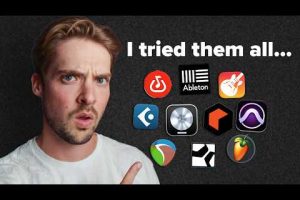
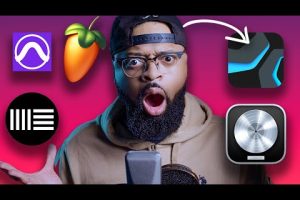
- Digital Audio Workstations (DAWs): Programs like Ableton Live, FL Studio, Logic Pro, and GarageBand allow you to create entire compositions using virtual instruments, samples, and effects.
- Hybrid Approach: Many modern creators record live instruments and then layer them with electronic elements for a richer, more textured sound.
Learn the Basics of Music Theory
You do not need a degree in music theory to start creating music, but understanding a few core concepts will accelerate your progress dramatically. Key fundamentals include:
- Scales and Keys: Knowing which notes work together in a given key helps you build melodies and chord progressions that sound cohesive.
- Chord Progressions: Common progressions like I-IV-V-vi or ii-V-I form the backbone of countless songs across every genre.
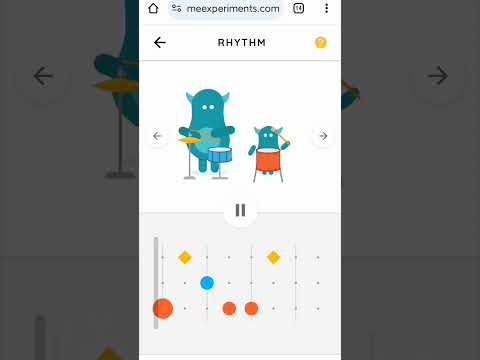
- Rhythm and Time Signature: Understanding beat patterns, subdivisions, and groove is essential for both songwriting and production.
- Song Structure: Most songs follow patterns like verse-chorus-verse-bridge or AABA. Learning these frameworks gives you a blueprint for arranging your compositions.
Start with Simple Projects
One of the biggest mistakes new creators make is trying to produce a complex, multi-layered track right away. Instead, start small. Write a four-chord progression, record a simple melody over it, and experiment with adding a bass line. These small wins build confidence and develop the muscle memory you need for more ambitious projects.
Essential Tools for Music Creation
The tools you choose can shape your creative workflow significantly. Below is a comparison of some of the most popular options for different skill levels and budgets.
| Tool | Type | Best For | Price Range |
| Ableton Live | DAW | Electronic music, live performance | $99 – $749 |
| FL Studio | DAW | Beat making, hip-hop production | $99 – $499 |
| Logic Pro | DAW | All-around production, Mac users | $199 |
| GarageBand | DAW | Beginners, Mac/iOS users | Free |
| GarageBand | DAW | Beginners, Mac/iOS users | Free |
| Native Instruments Komplete | Plugin Suite | Synthesis, sampling, sound design | $499 – $2,999 |
| BandLab | Cloud DAW | Collaboration, mobile creation | Free |
When selecting your tools, consider your genre, budget, and preferred workflow. Many free options like BandLab and GarageBand offer surprisingly powerful features for beginners. As you grow, investing in a professional DAW and quality plugins becomes a worthwhile step toward polished, professional-sounding music.
Intermediate Techniques: Elevating Your Sound
Once you are comfortable with the basics, the real fun begins. Intermediate creators start experimenting with arrangement, sound design, and mixing techniques that transform rough ideas into polished tracks.
Sound Design and Synthesis
Creating unique sounds is what separates generic tracks from memorable music. Learning the basics of synthesis — including oscillators, filters, envelopes, and LFOs — gives you the power to craft sounds no one else has. Popular synthesis types include subtractive, FM, and wavetable synthesis, each offering different creative possibilities.
Sampling and Layering
Sampling is a cornerstone of many modern genres, from hip-hop and lo-fi to EDM and pop. When you create music using samples, you are essentially building new compositions from existing audio fragments. Effective sampling involves selecting the right sounds, chopping and rearranging them creatively, and layering them with original elements to produce something that feels fresh and distinctive.
Mixing Fundamentals

Even the best composition can fall flat if the mix is unbalanced. Key mixing concepts include:
- EQ: Sculpting frequencies to remove muddiness and add clarity to each element.
- Compression: Controlling dynamic range so vocals and instruments sit consistently in the mix.
- Panning: Placing sounds across the stereo field to create width and separation.
- Reverb and Delay: Adding spatial depth and creating a sense of environment.
Advanced Strategies for Professional Music Creation
Advanced producers focus on developing a signature sound, mastering their tracks, and building sustainable creative habits.
Developing Your Signature Style
Over time, the best creators develop a recognizable sound that listeners can identify immediately. This comes from combining your influences in unique ways, experimenting with unconventional chord progressions, and developing preferences for specific textures, tempos, and production techniques. Do not be afraid to take risks — originality is the currency of great music.
Mastering and Distribution
Mastering is the final polish that ensures your music sounds great across all playback systems, from club speakers to smartphone earbuds. Many creators now use AI-powered mastering services like LANDR or iZotope Ozone to achieve broadcast-ready quality without hiring an expensive studio engineer. Once your track is mastered, distributing it to platforms like Spotify, Apple Music, and YouTube becomes the final step in sharing your creation with the world.
Building a Creative Routine
Consistency is the secret weapon of successful music creators. Set aside dedicated time each day or week for music creation, even if it is just 20 minutes of experimentation. Keep an ideas journal — record voice memos, sketch chord progressions, or jot down lyrics whenever inspiration strikes. The habit of regular creative practice compounds over time and leads to breakthroughs you cannot achieve through sporadic effort alone.
Common Mistakes to Avoid When Creating Music
Even experienced creators fall into traps that slow their progress. Here are the most common pitfalls and how to avoid them:
- Overcomplicating arrangements: More elements do not always mean a better song. Sometimes the most powerful tracks are the simplest.
- Neglecting ear training: Developing your ear through active listening and practice is just as important as learning any software or instrument.
- Perfectionism paralysis: Waiting for everything to be perfect before finishing a track will prevent you from ever completing anything. Embrace imperfection and iterate.
- Ignoring feedback: Sharing your work with trusted peers and communities provides perspective you cannot get on your own.
- Skipping the fundamentals: Jumping straight into advanced production without understanding rhythm, harmony, and song structure creates a shaky foundation.
Conclusion: Your Journey to Creating Music Starts Now
Creating music is a journey that rewards curiosity, persistence, and passion. Whether your goal is to produce hit songs, score films, perform live, or simply enjoy the therapeutic benefits of musical expression, the path forward is clear. Start with the basics, invest in the right tools, practice consistently, and never stop exploring new sounds and techniques. The world is waiting to hear what you have to say through music. Pick up your instrument, open your DAW, and start creating today.
Frequently Asked Questions
What is the easiest way for a beginner to start creating music?
The easiest way is to start with a free or low-cost digital audio workstation like GarageBand, BandLab, or the free tier of Soundtrap. Pair it with a simple instrument like a keyboard or guitar, learn a few basic chords, and experiment with recording loops. Focus on finishing tracks rather than making them perfect — completion builds skills faster than anything else.

Do I need formal music training to create music?
Absolutely not. While formal training can accelerate your learning, many successful producers and songwriters are self-taught. What matters most is consistent practice, active listening, and a willingness to experiment. Online tutorials, courses, and communities provide structured learning without the need for a formal music education.
Which digital audio workstation is best for creating music at home?
The best DAW depends on your needs. Ableton Live excels for electronic music and live performance. FL Studio is beloved by beat makers and hip-hop producers. Logic Pro offers an all-in-one solution for Mac users with its extensive built-in library. For beginners, GarageBand is an outstanding free starting point that scales into more advanced workflows.
How long does it take to learn how to create music?
This varies widely based on your goals and practice frequency. Most beginners can produce a simple, listenable track within a few weeks of consistent practice. Developing proficiency in mixing, sound design, and arrangement typically takes several months to a year. Mastering the craft and developing a unique voice can take years of dedicated work, but every step of the journey is rewarding.
Can I create music on a smartphone or tablet?
Yes, modern mobile apps have made it entirely possible to create professional-quality music on a phone or tablet. Apps like GarageBand for iOS, BandLab for Android and iOS, and Korg Gadget offer powerful production capabilities in a mobile format. While a laptop or desktop provides more screen space and processing power, mobile devices are excellent tools for capturing ideas and even completing full productions on the go.