


Coming up with great song ideas is the single most important step in the entire songwriting process. Whether you’re a bedroom producer scratching out a melody on a laptop or a seasoned hitmaker chasing the next chart-topper, the quality of your initial concept determines everything that follows. Great song ideas aren’t just random bursts of inspiration — they’re built from observation, emotion, technique, and a deep understanding of what connects with listeners. In this guide, we’ll walk you through the most effective ways to find, develop, and refine song ideas that actually become songs people remember.
What Makes a Great Song Idea Stand Out
Not every melody fragment or lyric line qualifies as a great song idea. The difference between a forgettable concept and one that has real potential lies in its emotional authenticity, originality, and memorability. A great song idea typically carries one or more of the following qualities: a distinct emotional core, a fresh perspective on a familiar theme, and a melodic or lyrical hook that lodges in the listener’s brain.
The Anatomy of a Powerful Song Concept
Before you start generating ideas, it helps to understand what makes them work. A strong song idea usually has three layers:

- Emotional hook: The feeling the song evokes before a single word is even heard
- Narrative angle: A unique viewpoint or story that hasn’t been told the same way before
- Memorable motif: A melodic phrase, rhythmic pattern, or lyric line that repeats and sticks
When you combine these three elements, you create a song concept that doesn’t just exist — it resonates. Think about artists like Billie Eilish or Kendrick Lamar. Their greatest songs all started with ideas that were deeply personal yet universally relatable. That’s the sweet spot every songwriter should aim for.
Where to Find Great Song Ideas
Songwriting ideas don’t appear out of thin air. They come from specific places and practices that you can intentionally cultivate. Here are the most reliable sources every songwriter should explore.
Drawing from Personal Experience
Your own life is the richest mine for great song ideas. Breakups, hometown memories, moments of doubt, celebrations, heartbreak — these experiences carry an emotional weight that listeners can feel instantly. The key is specificity. Instead of writing a generic song about loneliness, write about the specific moment you sat alone in a parked car after a fight. Specific details transform ordinary experiences into compelling stories.
Mining Everyday Life and Observation
Some of the greatest song ideas come from watching the world around you. Overheard conversations on a train, a stranger’s body language in a coffee shop, news headlines that stir your emotions — all of these can spark a song. Carry a voice memo recorder or a notebook everywhere. The best songwriting ideas often arrive in fragments that only make sense in the moment they’re captured.
Exploring Different Genres and Influences
Limiting yourself to one genre can starve your creative well. Listening across genres exposes you to different song structures, rhythmic patterns, and lyrical approaches. A country listener who explores jazz, or a hip-hop producer who studies classical composition, will naturally develop a broader palette of ideas. Cross-pollination between genres is one of the most underrated techniques for generating fresh songwriting inspiration.

Techniques to Generate Song Ideas
Now let’s get into the practical side. Different techniques work for different stages of your songwriting journey. Here’s how to approach idea generation at every level.
For Beginners: Building the Foundation
If you’re just starting out, the biggest obstacle is often getting started. These techniques lower the barrier to entry:
- Title-first method: Start with a single compelling phrase — something like “Broken Windows” or “Sunday Morning Rain” — and build a song around it
- Chord progression loops: Play four chords on guitar or piano on repeat and hum melodies over them. Record everything, even the bad takes
- Word association exercises: Write down random words and look for surprising connections between them
- Cover a different perspective: Write a song from the point of view of an object, an animal, or someone you’ve never met
These methods remove the pressure to create something perfect and simply get your creative muscles moving. The goal at this stage is volume — generate as many ideas as possible without judging them.
For Intermediate Songwriters: Developing Deeper Concepts
Once you’ve built a foundation, you need techniques that push you beyond surface-level ideas:
- Constraint-based writing: Limit yourself to specific parameters — write a song using only five words, or tell a story in exactly three verses
- Emotional mapping: Chart the emotional arc you want the song to follow before writing any lyrics or melody
- Collaborative brainstorming: Work with another songwriter and bounce ideas off each other in real time
- Sample-based inspiration: Use a spoken word clip, a nature sound, or a random field recording as the seed for a new composition
At this level, the focus shifts from quantity to quality refinement. You’re learning which ideas have enough depth to sustain a full song and which ones feel thin on closer inspection.
For Advanced Songwriters: Pushing Creative Boundaries
Veteran songwriters often face the paradox of having too much experience and not enough surprise. To combat creative stagnation:
- Reverse engineering: Take a song you admire and deconstruct its idea, then deliberately invert the approach
- Cross-medium inspiration: Translate visual art, poetry, or film scenes into song concepts
- Experimental arrangement: Start with the production or beat first and let the sound dictate the song’s emotional direction
- Freewriting sessions: Set a timer for ten minutes and write without stopping, editing, or filtering
Advanced songwriters who consistently produce great song ideas treat creativity as a discipline, not a waiting game. They show up to the process even when inspiration isn’t present.
Comparing Song Idea Generation Methods
Not every technique works equally well for every songwriter. Here’s a comparison of the most popular methods for generating song ideas, ranked by accessibility, depth of output, and long-term sustainability.
| Method | Best For | Ease of Use | Idea Depth |
| Title-First Method | Beginners | High | Medium |
| Chord Progression Loops | Beginners & Intermediate | High | Medium-High |
| Constraint-Based Writing | Intermediate | Medium | High |
| Collaborative Brainstorming | Intermediate & Advanced | Medium | High |
| Reverse Engineering | Advanced | Low | Very High |
| Freewriting Sessions | All Levels | Medium | High |
Notice that freewriting and constraint-based methods consistently rank high in idea depth across all skill levels. If you want to develop a habit of consistently producing strong songwriting inspiration, these two techniques deserve a permanent spot in your creative routine.
Expert Tips to Develop Your Song Ideas into Full Songs
Finding a great song idea is only half the battle. The real skill lies in turning that spark into a complete, polished song. Here are practical recommendations that experienced songwriters swear by.
Capture ideas immediately. The worst thing you can do is trust your memory. Inspiration is fickle — an idea that feels brilliant at 2 AM will vanish by morning. Use a dedicated notes app, voice memos, or a physical journal to record every fragment.
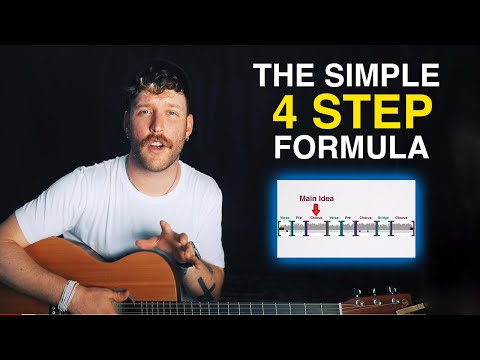
Give every idea a rough demo. Even if it’s just a phone recording with a voice and a simple guitar strum, creating a rough version of your idea helps you hear its strengths and weaknesses. You’d be surprised how many great song ideas fall apart when you actually try to structure them.
Don’t force a connection. Not every idea will become a song, and that’s okay. Let ideas sit for a few days, then return to them with fresh ears. Some of the best songwriting ideas reveal their potential only after time has done its quiet work.
Build a song idea library. Organize your fragments by mood, theme, or genre. Over months and years, this collection becomes a resource you can draw from when you need a starting point. Many professional songwriters maintain databases of hooks, melodies, and lyric fragments they’ve accumulated over their careers.
Pair your idea with a clear structure. Great song ideas need a framework to live inside. Decide early whether your concept works best as a verse-chorus form, a narrative ballad, or something more experimental. The structure isn’t a cage — it’s a launchpad.
Conclusion
The pursuit of great song ideas is a lifelong practice, not a one-time event. Whether you’re a beginner experimenting with your first chord progression or an advanced songwriter refining a concept for your next release, the principles remain the same: stay curious, capture everything, and develop your ideas with discipline and patience. The songs that change people’s lives all started with a single idea — one that someone cared enough to chase. Make that someone you.
FAQs About Great Song Ideas
What are the best sources for great song ideas?
The best sources include personal experiences, overheard conversations, other music across genres, visual art, and everyday observations. Carrying a recording device or notebook at all times ensures you never lose a fleeting idea. The most prolific songwriters treat the entire world as raw material for their craft.
How do I know if my song idea is good enough?
A strong song idea usually triggers an emotional response in you when you first think of it. If it makes you feel something — excitement, nostalgia, curiosity, tension — it has potential. Test it by humming a melody or writing a few lines of lyrics. If the idea sustains that initial spark through development, it’s likely a keeper.
Can I combine multiple song ideas into one song?
Absolutely. Many of the greatest songs in history are hybrids of several initial ideas that were merged during the writing process. The key is ensuring the combined concept has a cohesive emotional thread. Think of it as weaving multiple threads into a single fabric rather than stacking them on top of each other.
What should I do when I feel like I have no song ideas?
Creative blocks are normal and happen to every songwriter. Try changing your environment, listening to a genre you’ve never explored, or using a constraint-based exercise like writing a song with only four words. Sometimes the best way to find songwriting inspiration is to remove the pressure to create something meaningful and simply play.
How many song ideas should I generate per week?
Aim for at least three to five new ideas per week, regardless of quality. Quantity breeds quality over time. Professional songwriters often accumulate hundreds of unused ideas, but the ones that survive the selection process become their best work. The volume you generate directly impacts the quality you eventually find.