Music is one of the most universal forms of human expression, and at the heart of every great song, composition, or performance lies a set of core principles that make it all possible. Whether you are picking up a guitar for the first time, diving into music production, or simply trying to understand why certain chords sound so satisfying together, grasping the fundamentals of music is the essential first step. This guide breaks down the building blocks of music theory, rhythm, harmony, and melody in a way that is practical, engaging, and applicable for beginners and intermediate musicians alike.
What Are the Fundamentals of Music?
The fundamentals of music refer to the foundational elements that form the basis of every musical piece. Think of them as the alphabet of sound — once you understand these core components, you can begin to read, write, improvise, and compose with confidence. These fundamentals include pitch, rhythm, melody, harmony, dynamics, tempo, and form. Each element plays a distinct role in shaping how a piece of music feels, sounds, and communicates emotion to the listener.
Understanding music fundamentals is not just for aspiring professional musicians. It benefits singers, songwriters, producers, DJs, and even music educators. When you internalize these concepts, you develop what is often called “musical ear training,” which allows you to recognize patterns, anticipate chord changes, and communicate more effectively with other musicians in a jam session or recording studio.
The Building Blocks of Music Theory
Music theory might sound intimidating, but at its core, it is simply the language used to describe how music works. The fundamentals of music theory revolve around a handful of interconnected concepts that every musician should know.
Melody and Its Role
Melody is the sequence of single notes that forms the most recognizable part of a song — the part you hum in the shower or whistle without thinking. A strong melody typically follows a logical pattern of intervals and rests, creating tension and resolution. The study of melody involves understanding scales, intervals, and phrasing. When learning how to write a melody, the key is to balance repetition with variation, keeping the listener engaged without overwhelming them.
Harmony and Chord Progressions
Harmony occurs when two or more notes are played simultaneously, creating chords and chord progressions that support the melody. Understanding harmony means learning how chords relate to one another within a key. For example, in the key of C major, the chords C, F, and G are the primary triads, and progressions like I-IV-V form the backbone of countless popular songs. Mastering chord progressions gives you the power to evoke specific moods — from the uplifting energy of a major key progression to the emotional depth of a minor key movement.
Rhythm and Time Signatures
Rhythm is the backbone of music. It governs the timing, duration, and placement of notes and rests within a piece. A time signature — such as 4/4 or 3/4 — tells the performer how many beats are in each measure and which note value gets one beat. Understanding rhythmic subdivision, syncopation, and polyrhythms adds complexity and groove to your playing. Whether you are a drummer laying down a pocket or a pianist comping behind a vocalist, rhythm is where the feel of a song lives.
Understanding Pitch, Scales, and Keys
Pitch refers to how high or low a sound is, determined by the frequency of its sound waves. The fundamentals of pitch are organized into scales — ordered sequences of notes that define the tonal character of a piece of music.
Major and Minor Scales Explained

The major scale is the most widely used scale in Western music. It follows a specific pattern of whole steps and half steps: whole, whole, half, whole, whole, whole, half. The minor scale, often derived from its relative major, has a darker, more introspective quality and comes in several varieties, including natural minor, harmonic minor, and melodic minor.
Knowing your scales inside and out is critical for improvisation, sight-reading, and composition. Scales also define the key signature of a piece, which tells the performer which sharps or flats are present throughout the music. When you internalize major and minor scales, you gain the ability to navigate any chord chart, lead sheet, or sheet music with greater ease.
Music Notation and Symbols

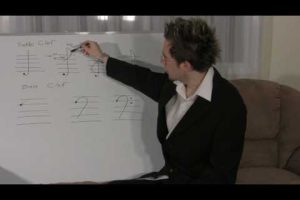
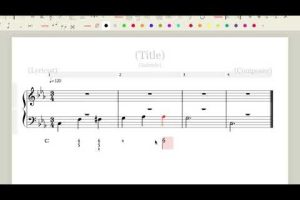
Music notation is the written system used to represent sound through symbols. The staff, clefs, notes, rests, and time signatures are all part of this visual language. While modern musicians increasingly rely on tabs and chord charts, traditional notation remains the most universally recognized form of written music.
Learning to read sheet music accelerates your growth as a musician by giving you access to a vast library of existing compositions. It also improves your understanding of music fundamentals by reinforcing your knowledge of pitch, rhythm, and expression markings like dynamics (forte, piano) and articulations (staccato, legato).
Comparing Core Musical Elements
| Element | Definition | Why It Matters |
| Pitch | The highness or lowness of a sound | Determines melody and harmony |
| Rhythm | The pattern of beats and rests over time | Creates groove, feel, and structure |
| Melody | A sequence of single notes forming a recognizable line | Carries the primary musical theme |
| Harmony | Multiple notes sounding together to support melody | Adds depth, color, and emotional texture |
| Dynamics | The volume or intensity of the sound | Drives emotional expression and contrast |
| Tempo | The speed at which a piece is played | Sets the energy level and mood |
| Form | The overall structure of a musical piece | Organizes sections for listener engagement |
Practical Tips for Mastering Music Fundamentals
Building a strong foundation in music takes consistent practice and a smart approach. Here are expert-recommended strategies to accelerate your learning:
- Practice ear training daily. Use apps or simple exercises to identify intervals, chords, and rhythms by ear. This skill accelerates every other area of musicianship.
- Learn one scale at a time. Start with C major, then move through the circle of fifths systematically. Do not rush — fluency in one scale builds confidence for the next.
- Play along with backing tracks. Applying scales and chords over real music reinforces how theory translates into actual sound and feel.
- Transcribe songs by ear. Listening critically and writing down what you hear trains your brain to internalize melodic and harmonic patterns.
- Study songs you love. Analyze chord progressions, key signatures, and song structures in your favorite tracks to see how professionals apply music fundamentals in practice.
- Collaborate with other musicians. Playing with others exposes you to real-time musical decisions and helps you internalize timing, listening, and communication.
Consistency matters more than intensity. Even 15 to 20 minutes of focused daily practice on the fundamentals of music will yield dramatic improvements over weeks and months.
Frequently Asked Questions (FAQs)
What are the basics of music for beginners?
The basics of music include understanding pitch, rhythm, melody, harmony, and tempo. Beginners should start by learning major and minor scales, reading basic notation, and practicing simple chord progressions. These core fundamentals provide the foundation for more advanced study in any instrument or genre.
Why are the fundamentals of music theory important for all musicians?
Music theory fundamentals give musicians a shared language to communicate ideas, analyze compositions, and create their own music. Even if you play by ear, understanding concepts like scales, intervals, and chord construction dramatically improves your ability to improvise, arrange, and collaborate effectively with other artists.
How long does it take to learn the fundamentals of music?
The basics can be grasped within a few weeks of regular practice, but true mastery of music fundamentals is a lifelong journey. Most learners see significant progress within three to six months of consistent study, especially when they combine theoretical study with hands-on playing or producing.
Can learning music fundamentals help with songwriting?
Absolutely. Understanding chord progressions, scale relationships, song form, and harmonic movement gives songwriters a toolkit of proven techniques to craft compelling compositions. Many hit songs follow recognizable patterns built directly on the fundamentals of music theory, and knowing those patterns makes the creative process more intuitive and efficient.
What is the best way to practice music fundamentals?
The most effective approach combines ear training, scale practice, rhythm exercises, and active listening. Using a metronome, studying songs you enjoy, and regularly challenging yourself with new keys and time signatures ensures well-rounded development across all core musical elements.
Conclusion
The fundamentals of music are the gateway to deeper musical understanding and creative expression. From the relationship between pitch and frequency to the emotional power of a well-crafted chord progression, these core concepts apply across every genre, instrument, and musical tradition. By investing time in learning and practicing these basics — scales, rhythm, harmony, melody, notation, and form — you equip yourself with the skills and confidence to pursue any musical goal. Whether your ambition is to perform on stage, produce tracks in a home studio, or simply enjoy music at a richer, more informed level, mastering the fundamentals is the most rewarding journey you can take. Start where you are, stay consistent, and let the language of music unlock your full creative potential.