


If you have ever dreamed of learning one of the most hauntingly beautiful pieces in the classical piano repertoire, clair de lune piano tutorial resources are exactly what you need to get started. Claude Debussy’s Clair de Lune, meaning “Moonlight” in French, is the third movement of his Suite Bergamasque and remains one of the most searched-for piano pieces on the internet today. Whether you are a complete beginner picking up the piano for the first time or an intermediate player looking to refine your technique, this guide will walk you through everything you need to know about tackling this iconic composition. From understanding the chord progressions and fingerings to mastering the expressive nuances that make this piece truly transcendent, we have compiled the most practical, actionable advice available. Let’s dive deep into the world of learning Clair de Lune on piano and give you every tool you need to bring this moonlit masterpiece to life at your keyboard.
What Makes Clair de Lune One of the Most Popular Piano Tutorials Online
Debussy composed Clair de Lune around 1890, though it was not published until 1905 as part of the Suite Bergamasque. The piece is inspired by the poetry of Paul Verlaine, specifically his poem Clair de Lune, which evokes a dreamy, melancholic atmosphere under moonlight. This connection to French impressionism is what makes the piece so emotionally rich and, at the same time, so challenging to interpret authentically.

When people search for a clair de lune piano tutorial, they are typically looking for step-by-step guidance that breaks the piece into manageable sections. The piece is written in 9/8 time signature in D-flat major, with a tempo marking of Andante très expressif — meaning it should feel flowing and deeply expressive, not rushed. Understanding these foundational details before you begin practicing is essential for anyone following a beginner piano tutorial for Clair de Lune.
The Structure of the Piece You Need to Know
Before jumping into the tutorial itself, it helps to understand the overall architecture of the piece. Clair de Lune follows a modified ternary form (A-B-A’), which means:
- Section A — The opening theme, gentle and introspective, built around ascending arpeggiated figures in D-flat major
- Section B — The middle section, which shifts to a darker, more turbulent tonality, featuring louder dynamics and more complex voicings
- Section A’ — The return of the opening theme, now with added embellishments and a more mature emotional quality
Knowing this structure allows you to practice each section independently, which is the most effective way to learn the piece systematically through any quality clair de lune piano lesson.
Beginner’s Guide to Playing Clair de Lune on Piano
If you are a beginner, do not be intimidated. While Clair de Lune is often classified as an advanced piece, a well-structured clair de lune piano tutorial for beginners can help you play a simplified version that captures the essence of the original. Here is what you need to focus on first.
Understanding the Basic Chord Progressions
The harmonic foundation of Clair de Lune relies heavily on extended chords — ninths, elevenths, and thirteenths — which give the piece its characteristic impressionist color. In a simplified arrangement, the core chord progression in the A section moves through the following harmony:
- D-flat major chord (I)
- G-flat major chord (IV)
- E-flat minor chord (vi)
- A-flat major chord (V)
- Back to D-flat major (I)
When you practice these progressions hands separately, focus on smooth voice leading. Each note should transition to the nearest possible note in the next chord, creating that signature seamless, floating sound that defines the piece.
Hand Positioning and Fingerings
Proper hand positioning is critical when starting your clair de lune piano tutorial. For the right-hand arpeggios that open the piece:
- Keep your wrist relaxed and slightly elevated
- Use a rolling motion from the thumb through the fifth finger
- Practice the arpeggio pattern slowly at half tempo before increasing speed
- Ensure each note in the arpeggio rings with equal volume initially
For the left hand, which provides the harmonic foundation with sustained chords, focus on keeping the fingers curved and the weight dropping naturally from the arm into the keys. Avoid tension in the forearm — this is the number one mistake beginners make when attempting impressionist repertoire.
Intermediate Techniques for Mastering Clair de Lune

Once you have the basic notes and chord shapes under your fingers, it is time to elevate your performance with techniques that separate a competent rendition from a truly beautiful one. An intermediate clair de lune piano tutorial should address the following areas in depth.
Dynamics and Phrasing
Debussy did not write Clair de Lune as a loud or aggressive piece — every dynamic marking serves a purpose. The piece requires you to paint with volume the way an impressionist painter uses color:
- Mezzo piano (mp) — The baseline dynamic for most of the opening section
- Crescendo — Gradual swells that mimic the waxing of moonlight through clouds
- Diminuendo — Fading passages that create the sense of light dissolving
- Forte (f) — Used sparingly in the B section for emotional climaxes
Practice dynamic shaping by playing each phrase at three different dynamic levels before settling on your preferred interpretation. This exercise trains your dynamic control and builds muscle memory for expressive playing.
Pedaling Techniques for the Sustained Sound
The sustain pedal is arguably the most important tool for performing Clair de Lune. Because Debussy composed this piece for the modern piano, the pedal is not merely an accessory — it is integral to the sound. Here is what you need to practice:
- Half-pedaling — Press the pedal partially to blur harmonies slightly without washing out the individual notes
- Syncopated pedaling — Release the pedal just after the new chord is struck, then press it again, creating a clean but connected sound
- Flutter pedaling — Light, rapid pedal movements used in quieter passages to prevent muddiness
A good clair de lune piano tutorial will dedicate significant time to pedaling exercises, as improper pedaling is the most common reason beginner and intermediate performances sound muddy or disconnected.
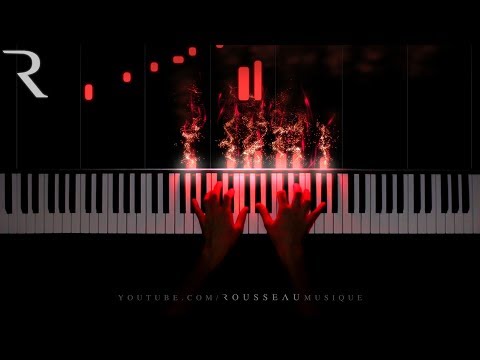
Comparing Tutorial Resources: Which One Is Right for You?
Not all clair de lune piano lesson platforms are created equal. Here is a comparison of the most popular types of resources available:
| Resource Type | Best For | Cost Range | Level |
| YouTube Free Tutorials | Visual learners, beginners, quick overviews | Free | Beginner to Intermediate |
| Paid Online Courses (e.g., Flowkey, Simply Piano) | Structured learning, interactive feedback | $10–$30/month | Beginner to Advanced |
| Sheet Music with Annotations | Self-directed learners who read music well | $5–$15 | Intermediate to Advanced |
| One-on-One Piano Teacher | Personalized feedback, advanced interpretation | $40–$100/hour | All Levels |
| Masterclass Videos by Professional Pianists | Advanced interpretation, performance insights | $15–$50 per class | Advanced |
If you are serious about mastering this piece, combining a free YouTube clair de lune piano tutorial for the note-by-note walkthrough with a paid course for interactive practice and feedback yields the best results. Many professional pianists recommend this hybrid approach.
Advanced Performance Tips and Artistic Interpretation
For advanced players, the technical notes of Clair de Lune are only the foundation. The real artistry lies in interpretation — making the piece feel like an intimate conversation between the performer and the listener.
Rubato and Emotional Expression
Debussy was a master of rubato, the subtle stretching and compressing of time within a phrase. In Clair de Lune, rubato is not a luxury — it is a necessity. When performing the piece:
- Allow the melody to breathe slightly ahead of the accompaniment
- Use micro-pauses at phrase endings to create a sense of longing
- Avoid over-rubato — the effect should feel natural, not forced
- Listen to recordings by artists like Arturo Benedetti Michelangeli and Pascal Rogé for interpretive inspiration
Memorization Strategies for Performance
If you plan to perform Clair de Lune from memory, use a multi-layered approach:
- Analyze the harmonic structure — knowing where each chord leads reduces reliance on muscle memory
- Memorize in small chunks of four to eight measures at a time
- Practice starting from random points in the piece to test true memorization
- Perform the piece for friends or family regularly to simulate performance pressure
These strategies are standard in any serious clair de lune piano tutorial aimed at performance-level preparation.
Common Mistakes to Avoid When Learning Clair de Lune
Even dedicated learners can fall into traps that slow their progress significantly. Here are the most common mistakes to watch for:
- Playing too fast too soon — The piece demands patience; rushing through the notes destroys the phrasing
- Ignoring the left-hand voicing — The bass notes and inner voices carry critical harmonic information
- Over-pedaling — Too much sustain creates a wall of sound that obscures the melody
- Neglecting dynamic contrast — Playing everything at the same volume strips the piece of its emotional arc
- Skipping hands-separate practice — Always practice each hand independently before combining them
Conclusion: Your Path to Playing Clair de Lune Beautifully
Learning Clair de Lune on piano is a journey that rewards patience, sensitivity, and disciplined practice. Whether you are searching for a clair de lune piano tutorial for beginners or looking to refine an advanced interpretation, the key is to approach the piece with curiosity and attention to its impressionist soul. Start with the fundamentals — chord progressions, hand position, and pedaling — and gradually layer in the expressive elements that transform notes into music. Use the resources and techniques outlined in this guide, practice consistently, and most importantly, enjoy the process of bringing Debussy’s moonlight to your own piano bench.
Frequently Asked Questions
How long does it take to learn Clair de Lune on piano?
The timeline varies significantly based on your current skill level. A beginner using a simplified arrangement may be able to play a recognizable version within two to four weeks of consistent daily practice. An intermediate player working with the full original score typically needs two to three months to perform the piece confidently. Advanced pianists aiming for a polished, performance-ready rendition may spend several months refining interpretation and expression.
What is the easiest way to start learning Clair de Lune as a beginner?
The easiest approach is to find a simplified sheet music arrangement specifically designed for early-intermediate players. Look for tutorials that break the piece into small sections, provide slow-tempo demonstrations, and include both right-hand and left-hand practice tracks. Platforms like Flowkey and YouTube channels dedicated to piano tutorials offer excellent entry points for the clair de lune piano tutorial beginner experience.
Do I need to know how to read sheet music to follow a Clair de Lune tutorial?
While reading standard notation is helpful, it is not strictly necessary. Many modern clair de lune piano tutorial resources use visual aids, color-coded keys, and note-by-note video demonstrations that make the piece accessible to players who do not read music. However, learning to read the original score will significantly deepen your understanding and give you access to the full range of interpretive possibilities.
What is the best tempo to practice Clair de Lune at?
Start practicing at approximately 60% of the performance tempo. The piece is typically performed at around 66–72 BPM in the opening section. Practicing slowly allows you to focus on finger accuracy, voice balancing, and pedaling coordination. Gradually increase the tempo only after you can play the passage cleanly and expressively at the slower speed. This method applies to every clair de lune piano lesson worth following.
Can I play Clair de Lune on a digital piano or keyboard?
Yes, absolutely. While an acoustic piano provides the best tonal response for Debussy’s impressionist writing, a well-weighted digital piano with a good sustain pedal can produce excellent results for learning and even performing Clair de Lune. Look for a keyboard with at least 88 keys and touch sensitivity to ensure you can practice the dynamic control essential to this piece.