


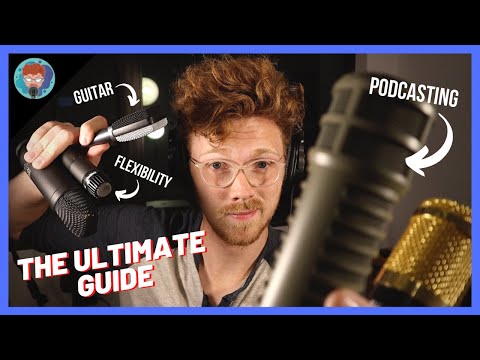

Setting up a home studio is one of the most exciting ventures for any musician, podcaster, or content creator, but choosing the right microphone can make or break your recording quality. The best microphone for home studio use depends on several factors, including your recording environment, voice type, budget, and the specific projects you plan to tackle. Whether you are a beginner just stepping into audio production or an experienced engineer looking to upgrade your setup, this guide will walk you through everything you need to know to make an informed decision. We will cover condenser microphones, dynamic microphones, ribbon options, and specific product recommendations that deliver outstanding performance without emptying your wallet.
Why Your Microphone Choice Matters More Than You Think
The microphone is the foundation of your entire signal chain, and selecting the wrong one can introduce unwanted noise, harsh frequencies, or a thin, lifeless sound that no amount of post-production can fully fix. When you are building a home studio, every piece of gear needs to earn its place, and your microphone is arguably the most critical investment you will make.
Understanding the difference between microphone types is essential. Condenser microphones are the go-to choice for vocal recording and acoustic instruments because of their wide frequency response and sensitivity. They capture intricate details and nuances, making them ideal for studio environments where background noise is minimal. Dynamic microphones, on the other hand, are less sensitive and excel at rejecting ambient sound, which makes them fantastic for untreated rooms or louder sound sources like guitar amplifiers and drums. Ribbon microphones offer a warm, vintage character that many producers adore, though they require careful handling and are generally better suited for intermediate and advanced users.
Best Condenser Microphones for Home Studio Recording
Condenser microphones remain the most popular option among home studio owners, and for good reason. They deliver exceptional clarity and detail, making them perfect for vocals, acoustic guitar, overhead drum recording, and even spoken word content.
Top Condenser Picks and What Makes Them Stand Out
- Audio-Technica AT2020 — This affordable large-diaphragm condenser is a staple recommendation for beginners. It offers a cardioid polar pattern, smooth frequency response, and a rugged metal body. The AT2020 captures vocals with stunning presence and clarity at a price point that is hard to beat.
- Rode NT1 5th Generation — If you are willing to invest a bit more, the Rode NT1 is widely regarded as one of the best USB/XLR hybrid microphones on the market. It features negligible self-noise, a warm tonal character, and excellent build quality. Many home studio owners consider this the best all-around condenser for vocal work.
- AKG Perception 120 — This versatile condenser works beautifully for vocals, acoustic instruments, and even spoken content. Its warm sound and low noise floor make it a reliable choice for podcasting and voiceover projects.

Best Dynamic Microphones for Untreated Home Studios
If your recording space has limited sound treatment or you live in a noisy environment, a dynamic microphone might be your best bet. Dynamic mics have a tighter polar pattern and lower sensitivity, which naturally rejects background noise and room reflections. This makes them incredibly forgiving for less-than-ideal recording conditions.
Top Dynamic Picks for Home Use
- Shure SM7B — This industry-standard dynamic microphone is legendary for a reason. It is the microphone of choice for countless professional podcasters, voiceover artists, and musicians. The SM7B delivers a warm, rich tone with excellent off-axis rejection. While it is pricey, many professionals consider it the best investment for vocal recording.
- Audio-Technica Dynamic Microphone ATR2100x-USB — A fantastic budget-friendly option that offers both USB and XLR connectivity. It is versatile enough for beginners and useful enough for intermediate users who want a reliable backup microphone.
- Rode PodMic — Designed specifically for podcasting, the PodMic delivers a focused cardioid pattern and rich, warm vocal tone. It is compact, durable, and perfect for voice-centric content creation at home.
Condenser vs Dynamic Microphone: Which Should You Choose?
The condenser vs dynamic debate is one of the most common questions among home studio builders. The answer depends entirely on your recording environment and intended use.
| Feature | Condenser Microphone | Dynamic Microphone |
| Sensitivity | High — captures fine detail and subtle nuances | Lower — focuses on the source and rejects ambient noise |
| Frequency Response | Wide — captures the full spectrum of sound | Narrower — emphasizes midrange frequencies |
| Best For | Vocals, acoustic guitar, ukulele, quiet environments | Drums, loud instruments, untreated rooms, podcasts |
| Power Requirement | Requires phantom power (48V) | No external power needed |
| Price Range | Budget to premium | Budget-friendly to high-end |
| Room Tolerance | Best in treated studios | Excellent for untreated spaces |
As a general rule, if your home studio has some acoustic treatment and you are recording vocals or acoustic instruments, a large-diaphragm condenser will give you the best results. If your room is untreated or you record louder sources, a dynamic microphone will deliver cleaner, more professional-sounding recordings.
Best Budget Microphones for Beginners on a Tight Budget
You do not need to spend a fortune to get a quality microphone for your home studio. Several excellent options deliver professional-grade sound at budget-friendly prices.
- Fifine K688 — One of the best budget condenser microphones available, the K688 features a large diaphragm and USB connectivity. It sounds remarkably good for its price, making it ideal for beginners who want to explore recording without a significant upfront investment.
- Samson Q2U — This dynamic microphone offers both USB and XLR outputs, making it incredibly versatile. You can use it as a simple plug-and-play USB mic or upgrade to a full XLR setup as your studio grows.
- MAONO AU-A04 — A lightweight option that works well for podcasting, voiceovers, and streaming. It is affordable, easy to set up, and delivers clear, consistent audio quality.
Best Premium Microphones for Serious Home Studio Producers
When you are ready to invest in a microphone that will serve you for years and handle professional-grade projects, several options stand out above the rest.
- Neumann TLM 102 — A premium small-diaphragm condenser that delivers a meticulously crafted sound with exceptional detail and transparency. It is capable of handling the most demanding recording tasks, from lead vocals to intricate acoustic guitar passages.
- Telefunken U47 Clone (by Warm Audio WA-47) — For the producer who wants the classic large-diaphragm condenser sound that defined the golden age of recording. The WA-47 captures warm, rich vocals and is a dream for anyone recording singer-songwriters or spoken word content.
- Electro-Voice RE20 — A broadcast and recording workhorse known for its Variable-D technology, which minimizes proximity effect. This microphone is a favorite among voiceover artists, broadcasters, and podcasters who want a polished, professional sound.
Essential Accessories That Improve Your Microphone Performance

Buying the right microphone is only half the equation. The accessories you use can dramatically impact your recording quality. Here are the essentials every home studio owner should invest in:
- Pop filter — Reduces plosive sounds like “p” and “b” that can distort your recordings
- Shock mount — Isolates the microphone from vibrations and handling noise
- XLR cable (high quality) — Prevents signal degradation and interference, especially in longer cable runs
- Microphone stand or boom arm — Positions the mic consistently and allows for precise placement
- Acoustic treatment panels — Even basic foam panels dramatically reduce room reflections and improve clarity
Expert Tips for Getting the Best Sound from Your Microphone
Even the best microphone will underperform if it is not positioned and used correctly. Here are practical tips from experienced home studio engineers:
- Position the microphone 6 to 8 inches from your mouth for optimal vocal clarity and to minimize plosives.
- Angle the microphone slightly off-axis to reduce harsh sibilants and reduce the chance of breathing sounds hitting the capsule directly.
- Record in a quiet room and turn off any appliances that produce hum or noise, including fans, air conditioners, and refrigerators during recording sessions.
- Use a gain staging workflow — set your preamp so that your loudest peaks hit around -6 dB on your meter. This leaves headroom for dynamic performances and prevents clipping.
- Experiment with microphone placement before committing to a setting. Small adjustments in distance and angle can dramatically change the tonal character of your recordings.
Final Recommendations: Finding the Best Microphone for Your Home Studio
There is no single “best” microphone for every home studio because your needs, room acoustics, and recording goals are unique. If you are a beginner on a budget, the Audio-Technica AT2020 or Samson Q2U will get you started with excellent sound quality. If you want a premium all-in-one solution, the Rode NT1 5th Generation is hard to beat. For serious podcasters and voiceover artists, the Shure SM7B remains the gold standard. And if budget is not a concern and you want the absolute best, microphones like the Neumann TLM 102 or Electro-Voice RE20 will deliver professional results every time.
The most important thing is to choose a microphone that matches your recording environment and project needs, pair it with proper accessories and placement techniques, and invest time in learning your microphone’s characteristics. A great microphone in skilled hands will always outperform a mediocre microphone in a mid-level studio setup.
Frequently Asked Questions
What is the best microphone for home studio vocals?
The Audio-Technica AT2020 and Rode NT1 5th Generation are widely considered the best microphones for home studio vocals, offering exceptional clarity, low noise floors, and warm tonal characteristics that suit a wide range of vocal styles.
Can I use a dynamic microphone for recording vocals?
Yes, dynamic microphones like the Shure SM7B are excellent for vocal recording, especially in untreated rooms. They naturally reject background noise and deliver a warm, close vocal tone that works beautifully for podcasts, voiceovers, and music vocals.
Do I need a phantom power supply for condenser microphones?
Yes, condenser microphones require 48V phantom power to operate. Most audio interfaces and external preamps include a phantom power switch, but you should always confirm this before purchasing a condenser microphone for your setup.
What is the best budget microphone for a beginner home studio?
The Fifine K688 and Samson Q2U are the most recommended budget microphones for beginners, offering USB connectivity, solid sound quality, and affordable pricing that makes them perfect entry points into home recording.
Should I buy a USB or XLR microphone for my home studio?
USB microphones offer convenience and simplicity, making them ideal for beginners. XLR microphones provide superior audio quality and unlimited upgrade potential when paired with a quality audio interface. Many experienced home studio owners recommend investing in an XLR setup from the start for long-term flexibility.