


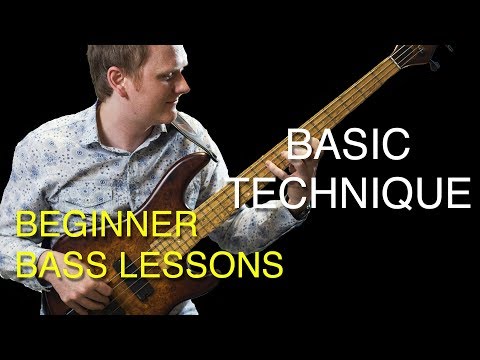
If you’ve been searching for bass guitar lessons near me, you’re already on the right path toward becoming a more skilled and confident musician. The bass guitar is the backbone of virtually every genre — from rock and funk to jazz, hip-hop, and country — yet it remains one of the most underestimated instruments in any ensemble. Finding the right instructor or program isn’t just about learning finger placements; it’s about developing rhythm, timing, musicality, and a deep understanding of how your role shapes the overall sound. Whether you’re a complete beginner picking up a bass for the first time or an experienced player looking to sharpen your craft, local bass lessons offer personalized feedback, structured curricula, and the kind of mentorship that self-study simply can’t replicate. This guide will walk you through everything you need to know about finding quality bass guitar instruction in your area, what to expect at every skill level, and how to make the most of your investment in your musical growth.
Why Bass Guitar Lessons Are Essential for Aspiring Musicians
Many aspiring musicians treat bass as a secondary instrument or a “fallback” option, but nothing could be further from the truth. Professional bassists are in extremely high demand, and having solid instruction from the start dramatically shortens the learning curve. Bass guitar lessons near me give you access to instructors who understand music theory, groove construction, and the technical nuances that separate a good bassist from a great one.
Here’s why structured lessons matter so much:
- Proper technique from day one. Self-taught players often develop bad habits — improper hand positioning, inefficient plucking techniques, or poor posture — that become difficult to unlearn later. A qualified instructor corrects these issues immediately.
- Ear training and musicality. Good bass lessons include developing your ability to hear chord progressions, recognize intervals, and feel rhythmic subdivisions. These are skills you can’t fully develop through tutorials alone.
- Accountability and structure. Regular lessons create a roadmap for progress. You’ll have weekly goals, practice assignments, and benchmarks that keep you moving forward instead of hitting plateaus.
- Genre-specific knowledge. Whether you want to play Motown-style walking bass lines, slap bass for funk, or distorted bass for metal, a skilled instructor tailors lessons to your musical interests.
- Performance preparation. Many local instructors offer recitals, jam sessions, or connections to local bands, giving you real-world experience that accelerates growth.
How to Find the Best Bass Guitar Lessons Near Me
Finding quality instruction requires more than a simple search query. The landscape of bass guitar instruction near me includes private teachers, music schools, online platforms with local meetups, and community college programs. Each has its strengths, and the best choice depends on your goals, schedule, and budget.
Online vs. In-Person Bass Guitar Lessons
The debate between online and in-person bass lessons has become increasingly nuanced. Both formats have legitimate advantages, and the right answer often depends on your current skill level and personal learning style.
- In-person lessons excel at hands-on technique correction. Your instructor can physically adjust your hand position, watch your picking attack in real time, and assess your amp tone setup. This immediate feedback loop is invaluable for beginners who are still building foundational habits.
- Online lessons offer unmatched convenience and access to specialized instructors who may not exist in your local area. If you live in a smaller city or suburb, online instruction might be your only option for finding an expert in your preferred genre. Modern video platforms also allow lesson recording, so you can review material repeatedly.
- Hybrid approaches are gaining popularity — taking in-person lessons biweekly while using online resources for daily practice and theory reinforcement. This model gives you the best of both worlds.
What to Look for in a Local Bass Instructor
Not all bass teachers are created equal. When evaluating potential instructors, consider these critical factors:
- Musical background and performance experience. Has this person played live gigs, recorded in a studio, or toured? Real-world experience brings practical insights that purely academic teachers may lack.
- Teaching experience and student testimonials. A great bassist isn’t automatically a great teacher. Look for instructors with documented track records of student progression.
- Curriculum flexibility. The best instructors customize lesson plans rather than rigidly following a single textbook. Your goals should drive the instruction, not the other way around.
- Location and scheduling accessibility. If you’re searching for bass guitar lessons near me, proximity matters for consistency. A 30-minute commute each way can become a reason to skip lessons over time.
- Comfort level and communication style. You need an instructor who challenges you without discouraging you. Many teachers offer trial lessons — take advantage of them.
Bass Guitar Lessons for Beginners: Building the Foundation
What to Expect in Your First Few Lessons
Beginner bass lessons focus heavily on fundamentals that will serve you for the rest of your musical journey. During your initial sessions, expect to cover the following:
- Instrument anatomy. Understanding the parts of your bass — the body, neck, fretboard, tuning machines, bridge, and pickups — and how each affects sound and playability.
- Proper tuning and maintenance. Learning to tune by ear and with electronic tuners, changing strings, and basic care that keeps your instrument performance-ready.
- Correct hand positioning and posture. Both fretting and plucking hand techniques are addressed extensively. Instructors emphasize relaxed hands to prevent fatigue and injury.
- Basic notes and scales. Starting with open strings, moving to simple one-fret notes, and gradually introducing major and minor scales across the fretboard.
- Core rhythms and timekeeping. Bass is a rhythmic instrument first. Beginners learn to lock in with a metronome, understand beat subdivisions, and feel the relationship between bass and drums.
- Simple songs and grooves. Within the first few weeks, most students learn recognizable bass lines from popular songs, which keeps motivation high and applies theory in context.
A typical beginner routine involves 30 to 45-minute weekly lessons paired with 15 to 30 minutes of daily practice. Consistency matters far more than session length at this stage. The best beginner bass guitar lessons near me will set you up with a structured practice routine from the very first meeting.
Intermediate Bass Guitar Lessons: Building on the Fundamentals

Once you’ve mastered the basics — typically after six months to a year of consistent study — intermediate lessons open up entirely new dimensions of bass playing. This is where many players experience their most dramatic growth, because the foundational work done earlier now becomes a platform for more complex skills.
Key areas covered in intermediate bass guitar instruction near me include:
- Advanced scale modes and arpeggios. Major, minor, pentatonic, blues, dorian, mixolydian, and chromatic scales across multiple positions on the neck, plus chord-tone arpeggios that connect harmony to melody.
- Slap and pop techniques. Originally popularized by Larry Graham and further developed by Victor Wooten, slap bass adds percussive excitement and tonal variety. Intermediate lessons break this technique down methodically.
- Walking bass lines for jazz and standards. Learning to navigate chord changes with smooth, melodic movement that outlines harmony while driving the rhythm forward.
- Reading bass clef and tablature. Expanding from basic tab to standard notation gives you access to a vast library of composed music and studio work opportunities.
- Songwriting and composition. Understanding how to construct original bass lines, create memorable hooks, and develop verses and bridges that serve the song.
- Tone shaping and effects. Using EQ, compression, overdrive, and other effects to develop your signature sound. Many intermediate players begin experimenting with their own tone design during this phase.
Advanced Bass Guitar Lessons: Mastering the Craft
Advanced bass lessons are where you transition from a competent player to a true musician’s musician. At this level, expert bass guitar lessons near me focus on refinement, artistic identity, and professional readiness.
- Advanced harmonic concepts. Modal interchange, polytonality, extended chord tones, and microtonal exploration push your understanding of harmony beyond conventional boundaries.
- Two-handed tapping and advanced soloing techniques. Building on the tapping foundations taught at earlier levels, advanced players explore full solo performances and intricate melodic passages.
- Studio recording techniques. Learning how to track bass in professional settings, work with engineers, choose appropriate gear for different sessions, and deliver consistent, high-quality recordings.
- Live performance mastery. Stage presence, managing monitor mixes, handling tempo changes on the fly, and communicating musically with bandmates in real time.
- Genre deep dives. Immersive study of specific styles — whether it’s Brazilian bass, neo-soul grooves, progressive rock odd-time signatures, or metal down-tuning techniques — that expand your versatility enormously.
Comparison: Online vs. In-Person Bass Guitar Lessons
| Factor | Online Lessons | In-Person Lessons |
| Convenience | High — learn from anywhere | Moderate — requires travel |
| Technique Feedback | Limited — video can miss subtle errors | Excellent — real-time physical correction |
| Instructor Selection | Wide — access to global talent | Limited — restricted to local options |
| Cost | Often more affordable ($30-$80/session) | Varies by region ($40-$100/session) |
| Best For | Intermediate players, theory, genre study | Beginners, technique-focused learners |
| Flexibility | Highly flexible scheduling | Fixed schedule required |
Expert Tips for Maximizing Your Bass Guitar Lessons

The quality of your lesson experience depends partly on what you do outside of your sessions. Here are proven strategies that experienced instructors recommend to every student:
- Record your lessons. Use your phone or a simple recorder to capture your instructor’s explanations, demos, and assigned exercises. Reviewing these between sessions dramatically improves retention.
- Practice with a metronome or backing track. Timing is as important as notes. Regular metronome work builds the internal clock that separates amateur from professional players.
- Learn music theory alongside your instrument. Understanding why certain bass lines work — not just how to play them — gives you creative freedom and adaptability across genres.
- Play with other musicians whenever possible. Jam sessions, open mics, and local band collaborations develop skills that private practice alone cannot replicate.
- Invest in quality equipment gradually. You don’t need a top-tier rig to learn, but a decent instrument, amplifier, and cable setup ensure you hear your true tone and stay motivated.
- Set specific, measurable goals. Instead of vaguely wanting to “get better,” define concrete targets like learning three songs per month, mastering a particular scale across all positions, or performing at an open mic night.
- Be patient with yourself. Progress is rarely linear. Plateaus are normal, and your instructor can adjust your curriculum to push through them effectively.
Frequently Asked Questions About Bass Guitar Lessons Near Me
How much do bass guitar lessons cost near me?
Private bass guitar lessons typically range from $30 to $100 per session depending on your location, the instructor’s experience, and whether the lesson is 30 or 60 minutes. Group lessons and community programs often cost less, while specialized instructors with professional performance backgrounds may charge premium rates. Many local music shops offer referral discounts or package deals for pre-purchased lesson blocks.
How long does it take to learn bass guitar from local lessons?
Most students playing beginner-level songs comfortably within 3 to 6 months with consistent weekly lessons and daily practice of at least 20 minutes. Intermediate proficiency — playing with confidence in a band setting — typically takes 1 to 2 years. Advanced mastery is an ongoing journey that spans years of dedicated study and performance experience.
Can I find bass guitar lessons for kids near me?
Yes, many instructors specialize in teaching children as young as 8 or 9 years old. These programs often use smaller-scale bass guitars, simplified notation, and game-based learning methods. Look for instructors who specifically mention youth or beginner-student experience when searching for bass guitar lessons near me.
What’s the difference between bass guitar lessons and electric bass instruction?
There’s essentially no difference in most contexts. The bass guitar is inherently an electric instrument, so bass guitar lessons inherently cover electric bass techniques, amplification, and tone shaping. Some instructors may offer upright or acoustic bass lessons as a separate discipline, but standard bass guitar instruction focuses on electric bass playing.
Are group bass lessons as effective as private ones?
Group lessons offer valuable jamming experience, peer motivation, and lower cost, but private instruction provides personalized attention tailored to your specific weaknesses and goals. For beginners, private lessons are generally recommended to establish proper technique early. Group formats work well for intermediate players who already have solid fundamentals and want to develop ensemble skills.
What if there are no quality bass lessons near me?
If your local options are limited, consider online instruction from a qualified teacher, commuting to a nearby city for weekly sessions, or combining self-directed learning with occasional check-ins from a remote instructor. Many players successfully develop their skills through a hybrid model that blends online courses, instructional books, and occasional live feedback sessions.
Conclusion: Take the First Step Toward Becoming a Better Bassist
Finding the right bass guitar lessons near me is one of the most impactful decisions you can make as a musician. Whether you’re just starting out and want to learn your first groove, or you’re an experienced player ready to take your sound to the next level, the right instructor provides structure, feedback, inspiration, and accountability that no app or video tutorial can fully replace. Use the guidance in this article to evaluate your local options, set clear goals, and commit to consistent practice. The bass line is what makes people move — invest in your playing and become the musician that other bands want on their stage. Start your search today, take a trial lesson, and discover how far quality instruction can take your bass guitar journey.