


Whether you’re a recording artist preparing for a studio session, a choir member getting ready for Sunday service, or a karaoke enthusiast about to take the stage, one thing remains universally true: the best vocal warm ups can make or break your performance. Your voice is a living instrument — muscles, cartilage, and delicate tissue all working in concert — and treating it without preparation is like sprinting without stretching. In this comprehensive guide, we’ll walk through the most effective singing warm up exercises, organized by skill level, so you can build a routine that actually works for your voice.
Why Vocal Warm-Ups Are Essential for Every Singer
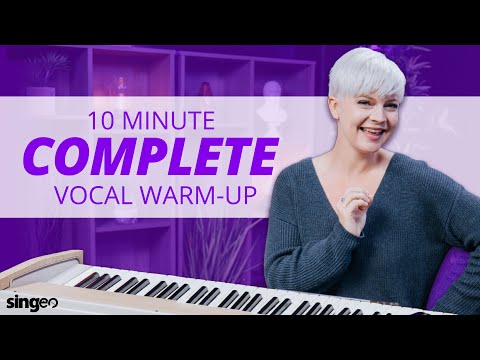
Before diving into specific exercises, it’s important to understand why warming up your voice matters so much. When you skip vocal warm ups, you risk straining your vocal cords, losing pitch accuracy, and developing tension that can persist for days. Here’s what a proper voice warm up routine does for you:
- Increases blood flow to the laryngeal muscles, improving flexibility and responsiveness
- Extends your vocal range gradually, making high and low notes more accessible
- Reduces vocal fatigue during prolonged singing or speaking engagements
- Improves breath control and strengthens the connection between your diaphragm and voice
- Enhances tone quality by aligning your vocal mechanism before demanding tasks
- Prevents injury to the vocal folds, which are vulnerable when cold and stiff
Think of it this way: professional singers and voice actors never step into a session cold. The best vocal warm up routine isn’t optional — it’s foundational to vocal hygiene and long-term performance quality.
Best Vocal Warm Ups for Beginners
If you’re new to singing or just building your routine, start with simple, low-stress exercises that familiarize you with your voice’s baseline. These beginner vocal exercises require no musical training and can be done anywhere.
Lip Trills and Buzzing Exercises
Lip trills — where you blow air through loosely closed lips to create a motorboat sound — are widely considered the single best vocal warm up for beginners. They engage your breath support while relaxing your jaw and facial muscles. Try humming up and down a simple five-note scale while maintaining the trill. If you can’t sustain the trill, a lip buzz (pressing your lips together and exhaling steadily) works as an effective alternative.

Humming Scales

Humming is another gentle entry point. With your mouth closed, hum through major scales, starting in your comfortable middle range and sliding up by half steps. You should feel gentle vibration in your nasal cavity and cheekbones. This exercise builds nasal resonance and helps you connect breath to sound without the added complexity of open vowels.
Gentle Sustained Notes
Pick a comfortable note and hold it for as long as you can on a single breath. Focus on keeping the tone steady and avoiding wobble. This trains your breath management and helps you discover where your voice feels most stable.
Intermediate Vocal Warm-Up Techniques
Once you’ve spent a few weeks consistently practicing beginner exercises, it’s time to layer in more demanding techniques. These intermediate warm up exercises introduce range extension, agility, and articulation challenges.
Sirens and Vocal Slides
Vocal sirens involve sliding continuously from your lowest comfortable note to your highest and back, mimicking the sound of a siren. This full-coordination exercise stretches your vocal folds, engages your laryngeal muscles, and improves your vocal flexibility. Do them on “oo,” “ee,” and “ah” vowel sounds to explore different resonant spaces.
Tongue Twisters for Articulation
Clear diction is a hallmark of skilled singers. Run through classic tongue twisters at increasing speeds to warm up your articulatory muscles:
- “Red leather, yellow leather” — trains rapid tongue movement
- “Unique New York, unique New York, you know you need unique New York” — builds vowel-to-vowel transitions
- “She sells seashells by the seashore” — strengthens the tongue tip and ridge interaction
These vocal exercises also serve as excellent diction drills for performers who need crisp lyrics in live settings.
Advanced Vocal Warm-Ups for Professional Singers
Advanced singers need warm up routines that challenge precision, dynamic control, and register blending. These exercises are used by vocal coaches worldwide to prepare professional voices for demanding performances.
The Messa di Voce Exercise
Messa di voce — Italian for “mix of voice” — is one of the most powerful yet underused vocal warm ups. The exercise requires you to sustain a single note, starting at a soft dynamic, swelling to full volume, and then tapering back to pianissimo. This trains extraordinary dynamic control and teaches you to manage airflow efficiently across your entire range. Mastering this exercise dramatically improves your ability to perform controlled crescendos and diminuendos in any genre.
Mixed Voice and Belt Warm-Ups
For singers who perform in styles requiring belt voice (musical theater, pop, rock), warming up the passaggio — the transition zone between chest and head voice — is critical. Practice narrow-range scales that bridge this gap, using vowels like “mah” or “huh” to encourage a balanced registration. Your vocal coach may call this mix training, and doing it as a warm up prevents register breaks during high-energy performances.
Staccato and Agility Runs
Rapid, detached notes (staccato) on scales and arpeggios sharpen your vocal agility. Practice eight-note patterns ascending and descending, using syllables like “ha,” “he,” or “ho” with crisp, precise attacks. This is essential for singers tackling melismatic passages in R&B, gospel, or classical repertoire.
Comparison Table: Vocal Warm-Up Methods at a Glance
| Exercise | Best For | Difficulty | Time Required | Key Benefit |
| Lip Trills | Beginners, breath support | Easy | 3–5 minutes | Relaxes jaw, connects breath to sound |
| Humming Scales | Beginners, resonance | Easy | 3–5 minutes | Builds nasal resonance and pitch awareness |
| Vocal Sirens | Intermediate, flexibility | Medium | 5 minutes | Extends range, stretches vocal folds |
| Tongue Twisters | Intermediate, articulation | Medium | 5 minutes | Sharpens diction and enunciation |
| Messa di Voce | Advanced, dynamics | Hard | 5–7 minutes | Superior dynamic control |
| Staccato Runs | Advanced, agility | Hard | 5 minutes | Vocal precision and speed |
Expert Tips for Maximizing Your Vocal Warm-Up Routine
Knowing the exercises is only half the battle. Here’s how to get the most out of every session:
- Be consistent. A short daily warm up outperforms an occasional marathon session. Even ten minutes of focused vocal exercises every day yields measurable improvement within weeks.
- Stay hydrated. Drink room-temperature water before and during your warm up. Cold water can constrict your throat muscles and reduce vocal fold elasticity.
- Never push through pain. Discomfort is a signal, not a hurdle. If an exercise causes sharp or persistent pain, stop immediately and consult a vocal health professional.
- Record yourself. Using a simple voice memo app lets you track progress, spot pitch issues, and hold yourself accountable.
- Warm up your body too. Light shoulder rolls, neck stretches, and jaw massage complement vocal exercises by releasing physical tension that directly impacts your sound.
- Use a piano or pitch-reference app. Staying accurate on scales becomes much easier when you can visually or audibly verify your notes.
How Long Should Your Vocal Warm-Up Be?
The ideal duration depends on your skill level and the demands of your upcoming session. As a general guideline:
- Beginners: 10–15 minutes of gentle exercises (lip trills, humming, sustained tones)
- Intermediate: 15–25 minutes including sirens, scales, and articulation drills
- Advanced: 25–40 minutes incorporating Messa di Voce, agility runs, and register-specific work
For heavy performance days — recording sessions, live concerts, or all-day speaking engagements — lean toward the longer end. For maintenance days, a shorter routine keeps your voice in shape without overworking it.
Common Mistakes to Avoid During Vocal Warm-Ups
Even experienced singers make preventable errors during warm up routines. Watch out for these pitfalls:
- Skipping the warm up entirely. This is the most common and most damaging mistake. Cold vocal cords are fragile vocal cords.
- Starting at extremes. Jumping straight into your highest or lowest notes before easing in creates unnecessary risk. Always begin in your comfortable middle range.
- Rushing through exercises. Quality over quantity. Five focused lip trills are better than twenty sloppy ones.
- Ignoring hydration and environment. Dry air, caffeine, and dairy can all affect how your voice responds to warm up exercises.
- Comparing your warm up to others. Every voice is unique. Your best vocal warm up routine is the one tailored to your range, timbre, and goals.
Conclusion
The best vocal warm ups are the ones you do consistently, with intention and proper technique. Whether you start with simple lip trills as a beginner or master Messa di Voce as a seasoned professional, the principle remains the same: prepare your instrument before you ask it to perform. Build a routine that matches your level, protect your voice with smart habits, and you’ll notice improvements in your range, tone, stamina, and confidence within weeks. Your voice is your most valuable tool — treat it with the respect it deserves, and it will reward you every single time.
Frequently Asked Questions
What are the best vocal warm ups for beginners who have never sung before?
Beginners should start with lip trills, humming scales, and gentle sustained notes. These exercises require no musical background, relax the vocal mechanism, and safely introduce you to breath-voice coordination. Spend at least two weeks on these before adding more complex exercises like sirens or tongue twisters.
How long does it take to see improvement from a consistent vocal warm-up routine?
Most singers notice improved flexibility and pitch accuracy within two to three weeks of daily 15-minute warm up sessions. Significant range extension and dynamic control gains typically become apparent after one to three months of consistent practice, especially when paired with proper vocal training.
Can vocal warm-ups actually help with singing anxiety and performance nerves?
Yes. A structured warm up routine creates a sense of physical readiness that directly calms the nervous system. When your voice feels mechanically prepared, your brain registers that safety signal, reducing the fight-or-flight response commonly associated with stage fright. Additionally, familiar warm up exercises serve as grounding rituals before any performance.
What is the single most effective vocal warm-up exercise for expanding range?
Vocal sirens are widely regarded as the most effective single exercise for range expansion. By sliding continuously from your lowest to highest note and back across multiple vowel sounds, you systematically stretch and strengthen the muscles that govern your range. Pair sirens with lip trills for maximum benefit.
Are there vocal warm-ups specifically designed for protecting your voice after heavy use, like singing tournaments or all-day festivals?
Yes. After heavy vocal use, focus on gentle, restorative exercises: soft humming, cool-down sirens at reduced volume, and slow sustained tones in your comfortable range. Avoid demanding agility runs or loud belting during recovery warm ups. Steam inhalation and hydration are equally important post-performance vocal hygiene practices.
Should I warm up my voice before speaking engagements or only before singing?
Absolutely warm up before significant speaking engagements too. Presenters, podcasters, voice actors, and public speakers all benefit from even five minutes of lip trills, humming, and gentle sustained tones. Pre-speaking warm ups improve vocal clarity, reduce vocal fatigue during long sessions, and prevent the strain that comes from projecting without preparation.