When most people hear the phrase classicism music, they often picture dusty concert halls, powdered wigs, and music that feels frozen in the past. But the reality is far richer, more dynamic, and more relevant than that stereotype suggests. The classical period in Western music — spanning roughly from the mid-1700s to the early 1800s — gave us some of the most enduring compositions ever written. It shaped how melodies are constructed, how orchestras are organized, and how listeners experience emotional depth through sound. Whether you are a curious beginner picking up a symphony for the first time or an intermediate listener looking to deepen your understanding, this guide covers everything you need to know about classicism music — its origins, defining traits, essential composers, landmark works, and why it continues to resonate in modern culture.
What Is Classicism Music?
Classicism music refers to a specific era in Western art music that emerged in the mid-18th century, roughly between 1730 and 1820. The term is frequently confused with “classical music” as a broad category, but here is the important distinction: classicism music describes a defined historical period with identifiable stylistic conventions, while classical music (in the broader sense) can refer to virtually any Western orchestral or art music tradition spanning centuries. During the classical era, composers moved away from the ornate complexity of the Baroque period and embraced clarity, balance, symmetry, and expressive elegance. The result was a style that prioritized structural precision and emotional accessibility — music that felt both intellectually satisfying and emotionally immediate.
The Historical Roots of Classicism Music
The classical period was born out of a cultural shift. The Enlightenment — that intellectual movement championing reason, order, and human potential — directly influenced how composers approached their craft. Music began to serve broader audiences, not just the aristocracy or the church. Public concerts became more common, and composers like Joseph Haydn and Wolfgang Amadeus Mozart crafted symphonies and operas designed to entertain and move everyday listeners. This democratization of music was revolutionary. It laid the groundwork for the Romantic era that followed and established conventions that are still taught in music schools today.
Key Characteristics of Classicism Music
Understanding classicism music means recognizing the stylistic features that set it apart from other periods. Here are the defining elements:
- Clarity of Structure: Classical compositions follow clear, predictable forms like sonata form, rondo form, and theme-and-variations. Listeners can follow musical arguments with relative ease.
- Balance and Proportion: Melodic phrases are typically symmetrical, with questions and answers mirroring each other. This creates a sense of order that feels inherently satisfying.
- Light Orchestration: Compared to the heavy brass and complex counterpoint of the Baroque, classical-era orchestras favored strings, woodwinds, and horns used with restraint and purpose.
- Dynamic Contrast: Composers used sudden shifts between loud and soft passages (termed terraced dynamics) to create tension and release, adding dramatic color without relying on complexity.
- Melodic Singability: Themes are often memorable and hummable — designed to resonate with listeners after a single hearing.
- Homophonic Texture: Rather than the layered polyphony of earlier eras, classicism music favors a clear melody supported by accompanying harmonies.
These features are not rigid rules but tendencies that define the sound world of the classical era. A skilled listener can identify a classical-era symphony within seconds simply by noticing its formal poise and melodic elegance.
Major Composers of the Classical Era
Three composers dominate the narrative of classicism music, and for good reason. Each brought a unique voice to the era while adhering to its core principles of clarity, structure, and expressiveness.
Haydn, Mozart, and Beethoven: The Holy Trinity
- Joseph Haydn (1732–1809): Often called the “Father of the Symphony,” Haydn composed over 100 symphonies that established the orchestral form as we know it. His works are characterized by wit, surprise, and structural innovation. Listen to his Symphony No. 94 (“Surprise”) to hear how he used sudden dynamic shifts to captivate audiences.
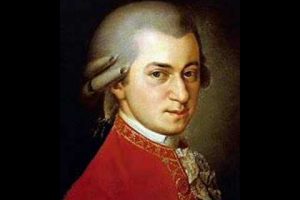
- Wolfgang Amadeus Mozart (1756–1791): A child prodigy who matured into one of history’s greatest composers, Mozart mastered virtually every genre of his time — symphonies, operas, chamber music, and concertos. His music combines technical perfection with profound emotional depth. Eine kleine Nachtmusik and The Marriage of Figaro are essential entry points.
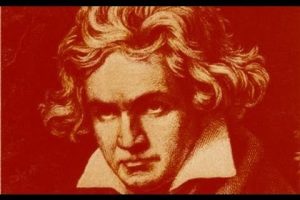
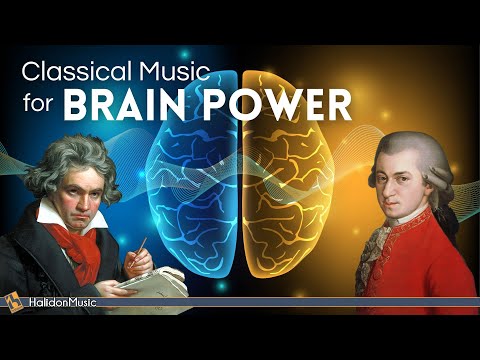
- Ludwig van Beethoven (1770–1827): Beethoven straddles the classical and Romantic eras. His early works are firmly rooted in classicism music conventions, while his later compositions push boundaries in ways that heralded the Romantic movement. His Symphony No. 5 is arguably the most recognizable piece of orchestral music ever written.
Beyond this trio, important contributors include Christoph Willibald Gluck, who revolutionized opera with cleaner dramatic storytelling, and Luigi Boccherini, whose chamber music brought a refined Italian elegance to the classical style.
Classicism Music vs. Other Musical Periods
To truly appreciate classicism music, it helps to see how it compares to the periods that came before and after it. The table below highlights key differences across three major eras.
| Feature | Baroque (1600–1750) | Classical (1750–1820) | Romantic (1820–1900) |
| Texture | Polyphonic, complex layers | Homophonic, melody-driven | Rich, chromatic, expansive |
| Orchestration | Heavy basso continuo, strings | Balanced orchestra, winds prominent | Large orchestra, expanded brass & percussion |
| Emotional Tone | Ornamental, dramatic contrast | Elegant, balanced, structured | Intense, personal, emotional extremes |
| Form | Fugue, suite, concerto grosso | Sonata, symphony, string quartet | Tone poem, program music, free form |
| Key Composers | Bach, Handel, Vivaldi | Haydn, Mozart, Beethoven | Chopin, Wagner, Tchaikovsky |
This comparison shows that classicism music occupies a unique middle ground — more structured and transparent than the Romantic period, yet more expressive and varied than the intricate complexity of the Baroque.
Essential Works Every Listener Should Know
If you are new to classicism music, starting with landmark compositions is the fastest path to developing an ear for the style. Here are ten essential works organized by genre:
- Symphony No. 94 (“Surprise”) — Joseph Haydn
- Symphony No. 40 in G Minor — Mozart
- Symphony No. 5 in C Minor — Beethoven
- Eine kleine Nachtmusik — Mozart
- The Marriage of Figaro (opera) — Mozart
- String Quartet No. 14 in C-sharp Minor — Beethoven
- Piano Sonata No. 16 in C Major — Mozart
- Trumpet Concerto in E-flat Major — Haydn
- Symphony No. 1 in C Major (“The Father of the Symphony”) — Beethoven
- Così fan tutte (opera) — Mozart
Beginner’s Guide to Getting Started
For those just dipping their toes into classicism music, start with symphonies and chamber works that feature clear melodies and moderate length (20–40 minutes). Streaming platforms like Spotify and Apple Music have curated playlists specifically for classical beginners. Listen actively — pay attention to how themes return, how dynamics shift, and how the orchestra balances its sections. You do not need formal training to appreciate these works. Curiosity and attentive listening are all you need.
Why Classicism Music Still Matters Today
The influence of classicism music extends far beyond the concert hall. Film composers like John Williams and Hans Zimmer draw heavily on classical-era orchestration techniques and dramatic structures. Television soundtracks, video game music, and even contemporary pop arrangements frequently reference the melodic clarity and harmonic language pioneered during the classical period. Moreover, studies in music cognition consistently show that listening to classicism music can enhance focus, reduce stress, and improve cognitive performance — benefits that make it relevant in our fast-paced, screen-saturated lives.

From a practical standpoint, if you are studying music theory, understanding classicism music is non-negotiable. Sonata form, thematic development, and orchestral conventions all trace their foundations to this era. Even modern music producers who work with orchestral samples or hybrid arrangements benefit from understanding how classical-era compositions balance tension and resolution.
Expert Tips for Deepening Your Appreciation
- Listen to multiple recordings of the same piece. Different conductors interpret tempo, phrasing, and dynamics differently. Comparing recordings — say, a Herbert von Karajan version versus a John Eliot Gardiner period-instrument performance — reveals how much interpretation shapes the listening experience.
- Attend live performances whenever possible. The acoustic energy of a live symphony orchestra is irreplaceable. Even smaller regional orchestras deliver powerful experiences.
- Read liner notes and program notes before listening. Knowing the historical context, the composer’s intentions, and the structural form of a piece transforms passive listening into active engagement.
- Explore chamber music. String quartets and piano sonatas from the classical era offer intimate, detailed listening that reveals nuances often lost in larger orchestral works.
Frequently Asked Questions
What is the difference between classicism music and classical music in general?
Classicism music refers specifically to the musical period from approximately 1750 to 1820, characterized by clarity, balance, and formal structure. Classical music, in the broader sense, is an umbrella term that encompasses all Western art music from the medieval period to the present day, including the classical era itself.
Why is the classical period sometimes called the Viennese period?
The classical period is often called the Viennese period because the three dominant composers — Haydn, Mozart, and Beethoven — all spent significant portions of their careers in Vienna, Austria. The city became the epicenter of musical innovation and performance during this time.
Is classicism music only for trained musicians?
Absolutely not. One of the defining features of classicism music is its accessibility. The balanced structures, memorable melodies, and clear dynamics were designed to appeal to broad audiences. You do not need a music degree to enjoy and appreciate these compositions.
What instruments were standard in the classical orchestra?
The classical-era orchestra typically included strings (violins, violas, cellos, double basses), pairs of flutes, oboes, clarinets, bassoons, horns, trumpets, and timpani. The percussion section was smaller than in later Romantic-era orchestras, and the overall ensemble was more transparent and balanced.
How did Beethoven change classicism music?
Beethoven expanded the scope of classical forms — making symphonies longer, more emotionally intense, and structurally adventurous. His middle and late works introduced harmonic innovations and dramatic complexity that bridged classicism music and the emerging Romantic era, forever changing the trajectory of Western music.
Can I learn to play classicism music on a modern instrument?
Yes. While period instruments offer historically authentic sound and articulation, modern instruments can fully perform classicism music repertoire. Many conservatories and universities teach classical-era pieces on modern instruments, and countless recordings showcase these works with contemporary ensembles.
Conclusion
Classicism music represents one of the most elegant and influential chapters in the history of Western art music. Its commitment to structural clarity, melodic beauty, and emotional balance created a foundation upon which virtually all subsequent Western music was built. Whether you are encountering a Haydn symphony for the first time or revisiting Beethoven’s late quartets with fresh ears, the classical period rewards attentive listening with extraordinary depth and reward. The best way forward is simple: listen widely, listen often, and let the music speak for itself. The masterworks of classicism music have endured for over two centuries — and they will continue to move listeners for centuries to come.