


Learning to play the keyboard is one of the most rewarding musical journeys you can take, but finding the right starting point often feels overwhelming. Whether you are a complete beginner picking up the keys for the first time or someone returning to the instrument after years away, the secret to staying motivated lies in starting with easy keyboard songs that sound impressive but are simple to play. These songs use basic chord progressions, straightforward rhythms, and recognizable melodies that let you experience the joy of making music almost immediately. In this comprehensive guide, we will walk you through the best easy keyboard songs, how to choose pieces that match your skill level, proven practice techniques, and expert tips that will accelerate your progress dramatically.
What Are Easy Keyboard Songs and Why They Matter
Easy keyboard songs are pieces specifically arranged or naturally composed to be playable by musicians with limited experience. They typically rely on simple hand positions, minimal use of black keys, basic major and minor chords, and repetitive structures that make memorization effortless. These songs serve as the foundation of keyboard education because they build essential skills without causing frustration. When you start with easy keyboard songs, you develop finger independence, rhythmic accuracy, and musical confidence all at once. Unlike complex classical compositions or advanced jazz arrangements, beginner-friendly pieces allow you to focus on keyboard fundamentals such as proper hand posture, note recognition, and timing while still producing music that sounds polished and complete.
The psychology behind starting with easy keyboard songs is equally important. Research in music education consistently shows that early success fuels long-term practice habits. When you can play a recognizable melody within your first few sessions, the dopamine reward system in your brain reinforces the behavior. This creates a positive feedback loop where you want to practice more, improve faster, and eventually tackle more challenging pieces. Skipping this foundational stage and jumping straight into difficult arrangements is one of the most common reasons beginners abandon keyboard learning altogether.
Benefits of Starting with Easy Keyboard Songs
Building Confidence and Muscle Memory

One of the biggest advantages of starting with easy keyboard songs is the rapid development of muscle memory. When you repeat simple patterns across multiple practice sessions, your fingers begin to memorize movements automatically. This reduces the cognitive load on your brain, allowing you to focus on expression, dynamics, and musicality rather than constantly worrying about where the keys are. Confidence grows exponentially when you can play complete pieces from start to finish without stopping, and easy keyboard songs provide exactly those opportunities.
Understanding Music Theory Through Practice
Easy keyboard songs are not just about entertainment. Many beginner pieces are designed around fundamental music theory concepts such as the I-IV-V chord progression, simple time signatures like 4/4 and 3/4, and diatonic scales. By playing these songs repeatedly, you absorb theoretical knowledge naturally without needing to sit through dry textbook exercises. Songs like “Ode to Joy” teach you stepwise melodic motion, while “Chopsticks” introduces you to simple two-hand coordination. Each easy keyboard song becomes a practical music lesson disguised as something fun.
Best Easy Keyboard Songs for Beginners
Choosing the right repertoire is critical. Below are some of the most popular and effective easy keyboard songs that every beginner should have in their playlist.
- “Ode to Joy” by Ludwig van Beethoven – A classic that uses only five notes within one octave, making it perfect for absolute beginners learning to read sheet music on the keyboard.
- “Chopsticks” by Euphemia Allen – This iconic piece teaches simple two-hand coordination using repeated patterns in the right hand and a basic bass note in the left hand.
- “Für Elise” by Ludwig van Beethoven – While the full arrangement is intermediate, a simplified version is widely available and teaches beautiful melodic phrasing on the keyboard.
- “Let It Be” by The Beatles – This pop classic uses only four basic chords (C, G, Am, F) and a slow tempo that makes it ideal for beginners practicing chord transitions.
- “Lean on Me” by Bill Withers – A soulful, repetitive song that reinforces left-hand chord patterns and right-hand melodic playing simultaneously.
- “Hallelujah” by Leonard Cohen – A simplified arrangement uses gentle chord progressions that sound sophisticated even though the technical demands are minimal.
Pop Songs That Are Simple to Learn
Modern pop songs are arguably the best genre for learning easy keyboard pieces because they typically use three to four chords, repetitive structures, and familiar melodies. Songs like “Someone Like You” by Adele, “Counting Stars” by OneRepublic, and “Let Her Go” by Passenger all feature chord progressions that are beginner-friendly and sound incredibly full when played on a keyboard. Many online platforms offer keyboard chord charts and beginner keyboard sheet music specifically designed for these popular songs, making it easier than ever to start playing the music you love.
Classical Pieces Anyone Can Play
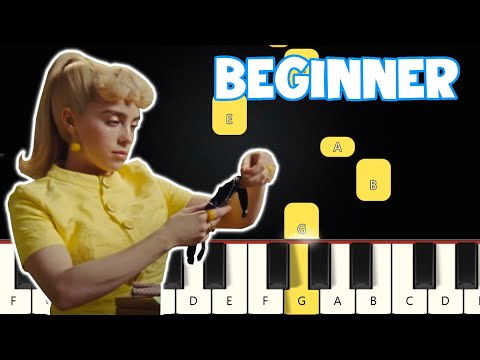
Classical music does not have to be intimidating. Several baroque and romantic era pieces were composed with simplicity in mind, and many have been transcribed into simplified arrangements perfect for early learners. Bach’s “Prelude in C Major” (simplified), Mozart’s “Sonata in C” (first movement simplified), and Tchaikovsky’s “Swan Lake Theme” are all excellent choices. These classical easy keyboard songs introduce you to finger exercises, dynamic control, and the beauty of structured compositions without requiring years of training first.
How to Choose the Right Easy Keyboard Song for Your Level
Not all easy keyboard songs are created equal, and selecting pieces that match your current ability is essential for steady progress. Here are key factors to consider when choosing your next song to learn.
- Hand Position Complexity: Songs that stay within a single five-finger position or a simple hand shift are ideal for beginners. Avoid pieces that require constant large jumps across the keyboard.
- Chord Vocabulary: Start with songs using two to three chord types. As you become comfortable with major and minor triads, you can gradually expand to seventh chords and more complex progressions.
- Tempo and Rhythm: Slow to moderate tempo songs give you time to think about fingering and accuracy. Songs with syncopation or complex rhythms should be reserved for intermediate levels.
- Motivation Factor: Choose songs you genuinely enjoy listening to. Your emotional connection to a piece will make you more willing to practice consistently, which is the single most important factor in keyboard improvement.
- Availability of Learning Resources: Look for songs that have video tutorials, downloadable sheet music, and chord charts available online. The more support material exists, the easier your learning journey becomes.
Comparison Table: Beginner vs Intermediate Easy Keyboard Songs
| Criteria | Beginner Level | Intermediate Level |
| Hand Position | Single five-finger position, no shifts | Multiple positions, hand movements required |
| Chords Used | Major and minor triads (2-3 chords) | Seventh chords, sus chords, inversions |
| Reading Required | Numbered or simplified notation | Standard treble and bass clef notation |
| Tempo Range | 60-90 BPM | 90-130 BPM |
| Examples | Chopsticks, Ode to Joy, Lean on Me | River Flows in You, Comptine d’un autre été, Someone Like You |
| Practice Time to Master | 1-3 days | 1-4 weeks |
| Skill Development Focus | Note recognition, basic rhythm | Coordination, dynamics, phrasing |
Tips and Techniques for Learning Keyboard Songs Faster
Mastering easy keyboard songs efficiently requires more than just repetition. Here are expert-backed strategies that dramatically reduce learning time and improve retention.
- Practice Hands Separately First: Always learn the right-hand melody and left-hand accompaniment separately before combining them. This isolates the technical challenge and prevents your brain from becoming overwhelmed.
- Use a Metronome: Start at a tempo that is 30-40% slower than the song’s original speed. Gradually increase the BPM only when you can play the current tempo accurately three times in a row.
- Break Songs into Sections: Instead of attempting to learn an entire song in one session, divide it into four or five small sections. Master each section individually before connecting them together.
- Focus on Rhythmic Accuracy Before Speed: Playing a song slowly with perfect rhythm produces better results than playing it fast with sloppy timing. Rhythm is the backbone of every easy keyboard song.
- Record Yourself Regularly: Recording your practice sessions allows you to hear mistakes you might not notice in real time. Compare recordings weekly to track your improvement objectively.
- Apply Proper Finger Curvature: Keep your fingers curved and your wrists relaxed at all times. Tension is the enemy of fluid keyboard playing and leads to fatigue and injury over time.
Common Mistakes to Avoid When Learning Easy Keyboard Songs
Even simple pieces can develop bad habits if approached incorrectly. One of the most common mistakes is neglecting the left hand entirely, which leads to imbalanced playing and weak accompaniment skills. Another frequent error is skipping warm-up exercises before diving into a song. Spending just five minutes on finger stretches and simple scales before each practice session prepares your hands and dramatically reduces the risk of strain. Additionally, many beginners make the mistake of learning by ear alone without ever reading notation. While playing by ear is a valuable skill, combining it with sight-reading accelerates your overall musicianship and opens up a much larger repertoire of easy keyboard songs in the future.
FAQ: Long-Tail Keyword Questions About Easy Keyboard Songs
What are the easiest keyboard songs to play for absolute beginners?
The easiest keyboard songs for absolute beginners include “Ode to Joy,” “Chopsticks,” “Twinkle Twinkle Little Star,” and simplified versions of “Let It Be.” These pieces use minimal hand movement, basic chords, and slow tempos that allow complete novices to produce pleasant music within their first few practice sessions.
Where can I find free easy keyboard sheet music with chords?
Websites like Musicnotes, MuseScore, and Piano-Sheets.net offer extensive libraries of free easy keyboard sheet music complete with chord symbols and letter notations. YouTube channels dedicated to keyboard tutorials also provide visual chord charts and step-by-step breakdowns for hundreds of popular songs at beginner difficulty levels.
How long does it take to learn an easy keyboard song from scratch?
Most easy keyboard songs can be learned within one to seven days of consistent daily practice lasting 15 to 30 minutes. The exact timeframe depends on the song’s complexity, your prior musical experience, and the quality of your practice sessions. Songs using only two to three chords typically take the shortest time to master.
Do I need to know music theory to play easy keyboard songs?
No, you do not need formal music theory knowledge to play easy keyboard songs. Many beginner pieces are written using numbered note systems, color-coded keys, or chord letter charts that allow you to play without reading traditional notation. However, learning basic theory concepts like scales and chord construction will significantly expand your ability to learn new songs independently.
What keyboard is best for learning easy songs as a beginner?
A weighted digital keyboard with at least 61 keys and touch sensitivity is ideal for beginners learning easy keyboard songs. Keyboards in the 60 to 150 dollar range often include built-in lesson modes, headphone jacks for silent practice, and recording features that help you track your progress as you build your repertoire of simple songs.
Conclusion
Starting your keyboard journey with easy keyboard songs is far more than just a shortcut to playing music quickly. It is a deliberate strategy that builds your technical foundation, develops musical intuition, and creates the kind of positive practice experience that keeps you coming back to the keys day after day. By choosing songs that match your current level, applying structured practice techniques, and avoiding common pitfalls, you will progress faster than you ever thought possible. Remember that every professional keyboard player started exactly where you are now, and the songs you learn today are the building blocks for the complex, expressive performances you will deliver tomorrow. Pick a song that excites you, sit down at your keyboard, and start playing. Your musical journey begins with that first note.