


Boogie woogie piano is one of the most exciting and energetic styles of piano playing, rooted in the blues tradition and built around driving rhythms, syncopated bass lines, and explosive melodic runs. If you have ever watched a pianist pound away at a roaring tempo with relentless energy, chances are you were listening to boogie woogie. This boogie woogie piano tutorial is designed to take you from complete beginner to confident player, with actionable steps, expert tips, and structured practice routines at every skill level. Whether you are picking up the keys for the first time or looking to add swing and flair to your existing piano skills, this guide covers everything you need to know.
What Is Boogie Woogie Piano?

Boogie woogie is a piano-based music style that emerged in the late 19th century among African American communities in the United States. It is characterized by a repeated, rolling bass pattern played in the left hand while the right hand improvises syncopated melodies, riffs, and licks. Unlike classical piano, which often emphasizes formal composition and precise notation, boogie woogie thrives on feel, groove, and rhythmic drive. The style gained massive popularity during the 1920s and 1930s and remains a beloved genre among piano enthusiasts worldwide.
When you search for a boogie woogie piano tutorial online, you will find that most resources focus on a few core elements: the left-hand bass pattern, right-hand shuffle rhythms, blues chord progressions, and improvisational techniques. Understanding these fundamentals is essential before you can move on to more advanced boogie woogie piano lessons.
Essential Boogie Woogie Piano Techniques for Beginners
If you are just starting out, the most important thing is to build a solid foundation. Boogie woogie piano for beginners should not feel overwhelming; instead, it should be fun and rhythmic. Here are the core techniques every new player should master first.
The Left Hand Bass Pattern
The left hand is the engine of boogie woogie piano. The most fundamental pattern is the eight-to-the-bar bass, where you play eight evenly spaced notes per measure. The classic boogie woogie bass line follows a simple structure:
- Root note on beat one
- Fifth or sixth above on beat two
- Return to root on beat three
- Fifth or a passing tone on beat four
Repeat this pattern continuously while shifting the starting note to match the chord changes. This creates the signature rolling, relentless feel that defines the genre. Practice this slowly at first, using a metronome set to around 60 beats per minute, and gradually increase the tempo as you gain confidence.
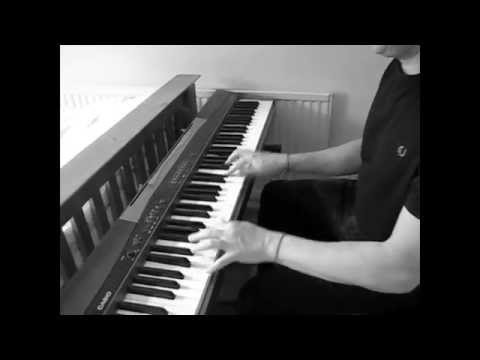
Right Hand Rhythms and Riffs
While the left hand keeps the groove, the right hand adds melodic interest. Start with simple shuffle rhythms, playing chords and single notes on the offbeats. A common beginner riff involves alternating between the root and third of the chord, accented on the second and fourth beats. As you become more comfortable, incorporate blues scales and pentatonic patterns to create classic boogie woogie licks.
Boogie Woogie Piano Chords and Progressions
Understanding the harmony behind boogie woogie is critical. Most boogie woogie songs use the twelve-bar blues progression, which follows a simple I-IV-V chord structure. In the key of C, this means C (I), F (IV), and G (V). The progression typically looks like this:
| Measure | Chord | Bar |
| 1–4 | C (I) | Four bars |
| 5–6 | F (IV) | Two bars |
| 7 | C (I) | One bar |
| 8 | G (V) | One bar |
| 9 | F (IV) | One bar |
| 10 | G (V) | One bar |
| 11 | C (I) | One bar |
| 12 | G (V) | One bar (turnaround) |
Memorize this progression and practice switching between chords smoothly. Once you can play it naturally with both hands, you will be ready to add boogie woogie bass patterns and riffs on top.
Intermediate Boogie Woogie Piano Tutorial: Building Fluidity
Once you have mastered the basic bass patterns and blues progressions, it is time to move to the intermediate level. Here, the focus shifts from playing simple patterns to creating smooth, continuous flow between musical ideas.
At this stage, you should work on the following skills:
- Walking bass lines — Add passing tones between chord tones in the left hand to create a more fluid, melodic bass line.
- Chromatic slides — Use chromatic movement in the right hand to add tension and release before resolving to a chord tone.
- Ghost notes — Play muted or lightly struck notes in the right hand to create rhythmic texture and swing feel.
- Call and response — Develop a dialogue between your left and right hands, where one hand states a phrase and the other answers it.
- Tempo variation — Practice playing the same progression at different speeds, from slow and deliberate to fast and driving.
A great way to practice at the intermediate level is to learn classic boogie woogie tunes by ear. Songs by pianists like Meade Lux Lewis, Albert Ammons, and Jimmy Yancey provide excellent study material. Break each song into small sections, slow them down, and gradually build up speed.
Advanced Boogie Woogie Piano Techniques
For advanced players, boogie woogie becomes a platform for creative expression and virtuosity. Here are some techniques that will elevate your playing to the next level.
Double Stops and Octave Runs
Double stops involve playing two notes simultaneously in the right hand, typically a third or a sixth apart. This adds harmonic richness and a fuller sound to your playing. Octave runs, where you quickly sweep up or down the keyboard in octaves, are a hallmark of advanced boogie woogie and create a powerful, dramatic effect.
Improvisation and Soloing
True mastery of boogie woogie piano comes from the ability to improvise freely over the twelve-bar blues structure. Practice improvising over backing tracks in various keys. Focus on melodic development — take a short motif, repeat it with slight variations, and build tension before resolving it. This is what separates good boogie woogie players from great ones.
Rhythmic Displacement
Advanced players often use rhythmic displacement, shifting a melodic phrase to start on a different beat than expected. This creates a sense of surprise and keeps the listener engaged. It requires a strong internal sense of timing, so practice with a metronome or drum loop consistently.
Comparison: Beginner vs Intermediate vs Advanced Boogie Woogie
| Skill Level | Left Hand Focus | Right Hand Focus | Tempo Range | Key Goal |
| Beginner | Static eight-to-the-bar bass | Simple shuffle riffs | 60–80 BPM | Build coordination and groove |
| Intermediate | Walking bass with passing tones | Blues licks and call-and-response | 80–120 BPM | Develop fluency and musicality |
| Advanced | Complex patterns and octave jumps | Double stops, runs, improvisation | 120–180+ BPM | Mastery, creativity, and expression |
Tips and Recommendations for Practicing Boogie Woogie Piano
Here are some expert-level recommendations that will accelerate your progress:
- Use a metronome always. Boogie woogie is a rhythm-driven style, and playing without a steady pulse will hold you back. Start slow and increase the tempo only when you can play cleanly at the current speed.
- Practice hands separately first. Spend time mastering the left-hand bass pattern in isolation before combining it with the right hand. This prevents sloppy habits from forming.
- Learn by listening. Listen to classic boogie woogie recordings daily. Train your ear to recognize the bass patterns, chord changes, and right-hand licks that define the style.
- Record yourself. Listening back to your own playing helps you identify timing issues, uneven dynamics, and areas that need improvement.
- Be patient with the left hand. The left hand bass pattern is the hardest part for most beginners. Give it extra practice time until it becomes automatic and effortless.
- Play with backing tracks. Once you can hold a steady bass pattern, play along with blues backing tracks. This simulates a real musical experience and helps you develop your sense of groove.
Frequently Asked Questions
What is the easiest way to learn boogie woogie piano?
The easiest way to learn boogie woogie piano is to start with the eight-to-the-bar left-hand bass pattern. Master this pattern slowly, then add simple right-hand shuffle rhythms on top. Consistent daily practice, even just 15 to 20 minutes, will yield faster results than infrequent longer sessions.
What keyboard or piano is best for learning boogie woogie?
A full-sized 88-key weighted keyboard or acoustic piano is ideal for boogie woogie. The weight of the keys helps develop finger strength, and the 88-key range gives you the octaves and bass depth that boogie woogie requires. However, you can start on a 61-key digital piano if budget or space is a concern.
How long does it take to get good at boogie woogie piano?
With consistent daily practice, most learners can play basic boogie woogie patterns within two to three months. Reaching an intermediate level with fluid improvisation typically takes six months to a year, while advanced mastery depends on dedication and practice quality.
Do I need to know music theory to learn boogie woogie?
You do not need extensive music theory to start learning boogie woogie. Many great boogie woogie pianists learned by ear and through hands-on practice. However, a basic understanding of the twelve-bar blues progression, chord tones, and the blues scale will significantly accelerate your progress.
Can boogie woogie piano be played on an electronic keyboard?
Absolutely. Boogie woogie piano can be played on any keyboard instrument. While the touch and feel differ from an acoustic piano, electronic keyboards with weighted or semi-weighted keys provide a good playing experience. The techniques, patterns, and improvisational approach remain exactly the same.
Final Thoughts
Boogie woogie piano is one of the most rewarding styles you can learn on the piano. It combines technical skill with raw musical expression, and once you get the feel for it, it becomes incredibly addictive. Whether you are a complete beginner just learning your first bass pattern or an advanced player exploring rhythmic displacement and improvisation, this boogie woogie piano tutorial gives you a clear path forward. Remember to practice consistently, listen to the masters, and most importantly, enjoy the journey. The groove is waiting for you at the keyboard.