Country music history is one of the most fascinating cultural journeys in American art. From its humble beginnings in the Appalachian foothills to dominating global charts and streaming platforms today, country has evolved through dozens of distinct phases, each contributing something irreplaceable to the genre’s identity. Whether you’re a casual listener or a dedicated fan diving deep into the archives, understanding where country music came from unlocks a richer appreciation for every song, every twang, and every tear-stained lyric you hear today. This guide covers everything from the earliest folk recordings to the genre’s modern pop crossover moment.
The Roots of Country Music: Where It All Began
The story of country music begins long before anyone used the word “country” to describe a genre. In the late 1800s and early 1900s, the Appalachian region of the United States became a melting pot of musical traditions. Scots-Irish ballads, African American blues, gospel hymns, and folk storytelling collided in small mountain communities, creating something entirely new. Early country music was shaped by these roots — fiddle tunes, hand-clapping rhythms, and lyrics rooted in hardship, love, and daily survival.
Folk and Appalachian Influences
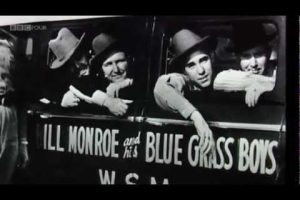
Appalachian folk music is arguably the single biggest ancestor of what we now call country. Songs passed down through generations told stories of coal mining, river life, and lost love. When the Victor Talking Machine Company sent recording engineers to Bristol, Tennessee, in 1927, they captured performances that became foundational recordings. Known as the Bristol Sessions, these sessions are often called the “Big Bang of Country Music” because they documented artists who would otherwise have remained regional curiosities.
Other early influences include:
- Western swing and Texas string bands
- Gospel quartets and sacred harp singing
- African American string band traditions
- Rural blues and work songs from the Deep South
The Golden Age of Country Music (1940s–1960s)
The mid-twentieth century transformed country music from a regional folk style into a national powerhouse. Radio, particularly stations broadcasting from Nashville, became the engine that drove the genre forward. The Grand Ole Opry in Nashville launched countless careers and established a template for what a country artist should sound like and how they should present themselves to audiences.
During this era, several distinct subgenres emerged:
- Honky-Tonk: Raw, barroom sounds popularized by Hank Williams, whose songs about heartbreak and whiskey defined an era.
- The Nashville Sound: Smoother orchestration and polished production brought by producers like Chet Atkins and Owen Bradley.
- The Bakersfield Sound: A harder-edged, electric guitar-driven alternative that thrived in California’s Central Valley.
Hank Williams remains one of the most influential figures in all of country history. His catalog of roughly 35 original songs — including “I’m So Lonesome I Could Cry” and “Your Cheatin’ Heart” — continues to be covered, studied, and revered more than seventy years after his death. Understanding his impact is essential to understanding the genre.
Honky-Tonk and the Bakersfield Sound Compared
While honky-tonk celebrated the grit of small-town life with steel guitars and weeping fiddle lines, the Bakersfield sound rejected Nashville’s orchestral sheen. Buck Owens and Merle Haggard built an entirely different country identity rooted in electric instruments, punchy rhythms, and unapologetic attitude.
| Attribute | Honky-Tonk | Bakersfield Sound |
| Key Artists | Hank Williams, Lefty Frizzell | Buck Owens, Merle Haggard |
| Primary Instruments | Steel guitar, fiddle | Telecaster guitar, drums |
| Production Style | Raw, minimal | Clean, punchy, electric |
| Lyrical Themes | Heartbreak, alcohol, loneliness | Working-class pride, defiance |
| Geographic Hub | Nashville, Tennessee | Bakersfield, California |
The Outlaw Era and the 1970s Revolution
By the early 1970s, a growing number of artists felt trapped by Nashville’s formulaic production standards. What emerged was the outlaw country movement — a rebellion against the polished, radio-friendly sound that had dominated the previous decade. Willie Nelson, Waylon Jennings, Johnny Cash, and Kris Kristofferson became the faces of this movement, demanding creative control over their recordings and embracing a grittier, more personal songwriting style.
The outlaw era reshaped country music in several important ways:
- Artists gained ownership over their masters and publishing rights
- Lyrical content shifted toward counterculture themes, social commentary, and raw autobiography
- Blues and rock influences seeped more openly into country arrangements
- The concept of the “artist as auteur” replaced the “song plugger” model
Albums like Willie Nelson’s Red Headed Stranger and Waylon Jennings’ Honky Tonk Heroes proved that country music could be both artistically ambitious and commercially successful. That duality remains a hallmark of the genre to this day.
Modern Country: 1980s Through Today
The 1980s brought a wave of neotraditionalists who looked backward even as the industry raced forward. Artists like George Strait, Randy Travis, and Dwight Yoakam championed a return to honky-tonk authenticity after the pop-infused excesses of the late 1970s. Meanwhile, the 1990s saw a new generation — Garth Brooks, Shania Twain, and the Dixie Chicks — explode sales figures and bring country to stadiums worldwide.
Neotraditionalists vs. Pop Country
The tension between traditionalists and pop-leaning artists has been a defining force in modern country history. Neotraditionalists insisted on fiddle lines, steel guitars, and three-chord structures, while pop country embraced synthesizers, hip-hop beats, and crossover production techniques. Both approaches have produced landmark records, and the ongoing conversation between these two camps keeps the genre dynamic and commercially relevant.
In the 2010s and 2020s, artists like Luke Combs, Morgan Wallen, Cody Johnson, and Kacey Musgraves have pushed the genre in yet another direction — blending traditional storytelling with contemporary production sensibilities. Streaming platforms have also democratized access, allowing independent and regional country artists to reach audiences that previously required a Nashville record deal.

Key Figures Who Shaped Country Music
No discussion of country music history is complete without acknowledging the people who built it brick by brick. Here are the artists whose contributions are absolutely essential:

- Jimmie Rodgers — The “Father of Country Music,” whose yodeling and railworker ballads created a template for the genre
- Johnny Cash — The man in black, whose prison recordings and spiritual depth gave country unmatched emotional range
- Dolly Parton — A songwriter and performer whose influence spans country, pop, and philanthropy
- Merle Haggard — The voice of the working class whose outlaw credibility never wavered
- Garth Brooks — The stadium-filling performer who redefined country music’s commercial potential
- Taylor Swift — The artist who bridged Nashville storytelling with global pop dominance
Country Music Evolution: A Timeline
| Era | Period | Defining Characteristics |
| Folk & Appalachian Roots | 1900s–1920s | Fiddle-based, acoustic, ballad storytelling |
| Early Commercialization | 1920s–1930s | First commercial recordings, radio broadcasts |
| Golden Age | 1940s–1960s | Honky-tonk, Nashville Sound, Grand Ole Opry dominance |
| Outlaw Revolution | 1970s | Creative control, blues-rock fusion, counterculture themes |
| Neotraditional & Pop Crossover | 1980s–1990s | Return to roots, stadium anthems, massive sales growth |
| Modern Streaming Era | 2000s–Present | Genre-blending, digital distribution, global reach |
Expert Tips for Understanding Country Music History
If you want to deepen your knowledge beyond surface-level appreciation, here are practical recommendations from someone who has spent years studying the genre:
- Listen chronologically. Start with Jimmie Rodgers and work forward through the decades. You will hear how each era influenced the next in real time.
- Explore regional subgenres. Texas country, Western swing, bluegrass, and Carolina beach music each tell a different part of the story.
- Read primary sources. Biographies, interviews, and liner notes from classic albums provide context that streaming playlists never will.
- Attend live shows. Nothing replaces hearing a steel guitar in a small venue to understand why this music resonated with working people for over a century.
- Follow the business side. Understanding how record labels, radio stations, and streaming platforms shaped the genre’s sound is just as important as the music itself.
Frequently Asked Questions
What is the origin of country music and where did it begin?
Country music originated in the Appalachian region of the southeastern United States during the late 1800s and early 1900s. It grew from a fusion of Appalachian folk ballads, Celtic fiddle traditions, African American blues, and rural gospel music. The Bristol Sessions of 1927 are widely recognized as the moment country music was first commercially recorded and introduced to a national audience.
How did the Grand Ole Opry influence country music history?
The Grand Ole Opry, which began broadcasting in Nashville in 1925, served as the genre’s most important promotional platform for decades. It gave artists like Hank Williams, Dolly Parton, and Johnny Cash a regular audience and helped establish Nashville as the undisputed capital of country music. The Opry’s influence on the genre’s style, presentation, and commercial viability cannot be overstated.
What distinguishes outlaw country from Nashville sound country music?
Nashville sound country music emphasizes polished production, orchestral arrangements, and radio-friendly song structures, while outlaw country prioritizes raw authenticity, artistic independence, and lyrically rebellious themes. Artists like Willie Nelson and Waylon Jennings championed the outlaw approach in the 1970s as a direct response to the commercial constraints of the Nashville establishment.
How has streaming changed modern country music?
Streaming platforms have fundamentally altered how country music reaches listeners by removing gatekeeping barriers that once required radio play or major label distribution. Independent artists can now build global audiences without a Nashville deal, and genre-blending tracks that might not have received radio promotion in previous decades can go viral overnight. This shift has accelerated the genre’s evolution and expanded its stylistic boundaries significantly.
Who is considered the most influential artist in country music history?
While opinions vary, Hank Williams and Jimmie Rodgers are most frequently cited as the genre’s foundational figures. Hank Williams, in particular, shaped the emotional vocabulary of country songwriting, and his influence echoes through every subsequent generation — from Merle Haggard to George Strait to modern artists like Morgan Wallen and Cody Johnson.
Conclusion
Country music history is not just a timeline of songs and albums — it is a living record of American culture, resilience, and storytelling. From the Appalachian hollers to the digital streaming era, the genre has continually reinvented itself while staying true to the core values that made it resonate in the first place: honest lyrics, relatable emotions, and music built to be shared. Whether you are a longtime fan or just discovering the genre, there has never been a better time to explore the rich, complex, and endlessly rewarding world of country music.