


Setting up a bedroom recording studio has become one of the most accessible and exciting pathways for musicians, podcasters, and content creators to produce professional-quality audio without leaving home. Whether you are a beginner exploring music production for the first time or an experienced artist looking to build a dedicated personal recording space, a well-designed home studio can deliver results that rival commercial facilities. This comprehensive guide covers everything you need to know — from essential gear and acoustic treatment to software selection, budgeting, and expert-level tips — so you can start creating music that truly sounds the way you envision it.
What Exactly Is a Bedroom Recording Studio?
A bedroom recording studio is a personal, dedicated space — typically in a spare bedroom, closet, or small room — where you can record, produce, mix, and master audio. Unlike traditional studios that require hourly rental fees, a home setup gives you unlimited access at a fraction of the cost. The concept has exploded in popularity thanks to affordable technology, with modern equipment making it entirely possible to produce Grammy-worthy tracks from a room no larger than 100 square feet. The key is understanding how to maximize your space, select the right tools, and apply fundamental acoustic principles that elevate your recordings.
Essential Gear for Your Home Recording Setup
Building a bedroom recording studio starts with choosing the right equipment. You do not need the most expensive gear on the market, but investing in quality foundational tools will save you from frustrating upgrades down the road. Below is a breakdown of the core components every producer or vocalist should consider.
Audio Interface
The audio interface is the heart of any home studio. It converts analog audio signals from microphones and instruments into digital data your computer can process. Look for interfaces with low latency, high bit depth (at least 24-bit), and a reliable preamp. Popular choices include the Focusrite Scarlett series, Universal Audio Volt series, and the Audient iD series — all offering excellent value for bedroom producers.
Microphone Selection
Your microphone choice directly impacts recording quality. For vocals, a large-diaphragm condenser microphone like the Audio-Technica AT2020 or Rode NT1-A captures warmth and detail. If you plan to record guitar amplifiers or drum kits, a dynamic microphone such as the Shure SM57 or Sennheiser MD421 handles high sound pressure levels beautifully. Having at least two quality microphones gives you flexibility for stereo recording and overdubs.
Studio Monitors and Headphones
Accurate monitoring is non-negotiable. Nearfield studio monitors like the KRK Rokit series or Yamaha HS5 deliver a flat frequency response, letting you hear your mix honestly. Pair them with closed-back headphones such as the Audio-Technica ATH-M50x or Beyerdynamic DT 770 Pro for detailed tracking sessions. Using both monitors and headphones helps you catch issues that one alone might miss.

Computer and Storage
Your computer is the command center. A machine with at least 16GB of RAM, a solid-state drive (SSD) with 500GB or more, and a multi-core processor (Intel i7 or Apple M1 and above) will handle most projects smoothly. External hard drives or cloud storage serve as reliable backups for your project files and sample libraries.
Room Acoustics and Sound Treatment
Even the most expensive gear cannot compensate for a poorly treated room. One of the biggest mistakes bedroom producers make is ignoring acoustics. Hard, reflective surfaces cause standing waves, flutter echoes, and unwanted resonances that muddy your recordings. Here is how to address common acoustic challenges in a small room.
Understanding Room Modes
Every room has resonant frequencies determined by its dimensions. In small spaces, low-frequency buildup in corners is especially problematic. Bass traps placed in corners absorb these problematic frequencies and prevent muddiness in your mixes. Corner-mounted broadband absorbers made from dense mineral wool or fiberglass are the most effective solution for bedroom studios.
Strategic Placement of Acoustic Panels
Begin by treating the first reflection points — the walls directly adjacent to your listening position and the points where sound bounces off the ceiling between you and your monitors. Thick acoustic foam panels (at least 2 to 4 inches thick) or rigid fiberglass panels covered in fabric effectively reduce early reflections. A diffuser on the rear wall scatters remaining reflections, creating a more spacious and natural soundstage.
Quick Wins for Immediate Improvement
- Hang heavy blankets or moving blankets on walls to reduce flutter echo during tracking.
- Place a thick rug on hard floors to minimize floor reflections.
- Use bookshelves filled with unevenly sized books as natural diffusers on rear walls.
- Record closer to the microphone with a pop filter to reduce room noise in vocal takes.
Choosing the Right DAW and Software
Your digital audio workstation (DAW) is where the creative magic happens. The best DAW for your bedroom studio depends on your workflow, genre, and experience level. Each platform offers unique strengths that cater to different types of producers.
DAW Comparison for Bedroom Producers
| DAW | Best For | Price | Platform |
| Ableton Live | Electronic music, live performance | $99–$749 | Mac/Windows |
| Logic Pro | Composing, mixing, full production | $199 (one-time) | Mac only |
| FL Studio | Beat-making, hip-hop, pop | $99–$499 | Mac/Windows |
| Reaper | Budget-conscious, customizable workflow | $60 (discounted license) | Mac/Windows |
| Studio One | Intuitive drag-and-drop production | $99–$399 | Mac/Windows |
Most DAWs include built-in virtual instruments, effects plugins, and mixing tools. Start with what fits your budget and genre, and expand your plugin collection as your skills grow. Free plugins from manufacturers like Vital (synthesizer), TDR Nova (equalizer), and Valhalla Supermassive (reverb/delay) are exceptional starting points for any aspiring bedroom producer.
Budget Breakdown: Beginner to Advanced Setup
One of the greatest advantages of a bedroom recording studio is scalability. You can begin with a modest setup and gradually upgrade as your skills and income grow. Below is a realistic budget breakdown for each stage.
Beginner Setup (Under $500)
- Audio interface — Focusrite Scarlett Solo (~$110)
- Condenser microphone — Audio-Technica AT2020 (~$100)
- Headphones — Audio-Technica ATH-M20x (~$50)
- DAW — Reaper (discounted license ~$60)
- Pop filter and basic cables (~$30)
- Free acoustic treatment (blankets, pillows) (~$0)
Total: approximately $350–$450, leaving room in the budget for a second microphone or a small pair of studio monitors.
Intermediate Setup ($500–$1,500)
- Audio interface — Focusrite Scarlett 2i2 (~$170)
- Microphones — one condenser + one dynamic (~$250)
- Studio monitors — KRK Rokit 5 pair (~$250)
- Acoustic panels (4–6 units) (~$150)
- DAW — Logic Pro or Ableton (~$199)
- Pop filter, mic stand, XLR cables (~$50)
Total: approximately $1,000–$1,500. At this level, you can record full band demos, produce polished beats, and mix vocals with professional clarity.
Advanced Setup ($1,500–$5,000+)
An advanced bedroom recording studio includes high-end microphones (such as the Neumann TLM 103 or AKG C414), premium monitors like the Yamaha HS8 pair, a second audio interface for parallel recording, premium acoustic treatment with bass traps and ceiling clouds, and a high-performance computer with ample storage for sample libraries and project files. At this stage, the focus shifts from buying gear to mastering the art of mixing, sound design, and creative production techniques.
Expert Tips for Maximizing Your Bedroom Studio
Even with the best gear, producing professional results requires technique, discipline, and a deep understanding of your environment. Here are battle-tested tips from experienced producers who have built successful careers entirely from bedroom studios.
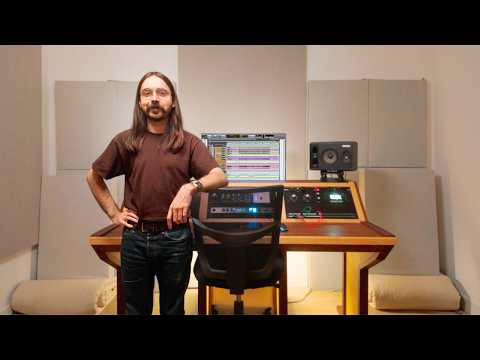
Treat Your Room Before You Mix
Never attempt to mix in an untreated space. Your ears will deceive you, and what sounds balanced in your bedroom may sound completely different on other playback systems. Invest in acoustic treatment first, then refine your monitoring setup. This single decision will dramatically improve the translation of your mixes across different speakers and headphones.
Record Dry, Mix Wet
Capture clean, unprocessed recordings with minimal effects. Adding reverb, delay, and EQ during mixing gives you far more control over the final sound than trying to remove processing from a heavily effected recording. This approach keeps your raw tracks flexible and editable.
Use Reference Tracks
Load a professionally mixed track in a similar genre into your DAW and compare it frequently. Match your loudness levels using a free loudness meter, then analyze frequency balance, stereo width, and dynamic range. This practice trains your ear and accelerates your mixing skills faster than any tutorial.
Maintain a Consistent Workflow
Set dedicated studio time and treat it like a professional commitment. Consistent practice builds muscle memory, improves decision-making speed, and helps you develop a distinctive sonic identity. Many successful producers attribute their growth entirely to the discipline of showing up and creating regularly in their home studio.
Frequently Asked Questions
What is the best microphone for a bedroom recording studio on a budget?
The Audio-Technica AT2020 is widely regarded as the best budget condenser microphone for home studios. It offers a warm, detailed sound, low self-noise, and rugged build quality at a price point under $100. For dynamic recording needs, the Shure SM58 provides legendary durability and clarity at an even lower cost.
How do I reduce room noise in my bedroom studio recordings?
Start by sealing gaps around windows and doors with weatherstripping or draft stoppers. Turn off HVAC systems during recording sessions to eliminate low-frequency hum. Use dynamic microphones for vocal tracking, as they are less sensitive to background noise than condensers. Additionally, soft furnishings like curtains, rugs, and upholstered furniture absorb ambient reflections and reduce room tone.
Can I produce a full album from a bedroom recording studio?
Absolutely. Many independent artists have released commercially successful albums produced entirely from home studios. The key is combining proper acoustic treatment, quality monitoring, and a disciplined mixing workflow. With today’s technology, the limitations are creative rather than technical.
What size room works best for a bedroom recording studio?
A room between 100 and 250 square feet is ideal for most bedroom studios. Smaller rooms tend to have more pronounced low-frequency issues, while larger rooms can be harder to treat effectively on a budget. The critical factor is not square footage but proper acoustic treatment and speaker placement relative to the room’s geometry.
Do I need a dedicated vocal booth for professional vocals?
While a portable vocal booth or reflection filter can improve vocal recordings in untreated spaces, it is not strictly necessary. Proper microphone technique, a well-treated room, and a quality condenser microphone at the correct distance will yield professional vocal results without a dedicated booth. Many chart-topping recordings were made in fully open rooms with nothing more than acoustic panels behind the singer.
A bedroom recording studio is far more than a collection of expensive equipment — it is a creative sanctuary where ideas become finished music. By understanding acoustic fundamentals, choosing gear strategically, and committing to continuous learning, you can produce audio that stands alongside professionally recorded tracks. Start small, treat your room with care, invest in your skills, and let your bedroom become the most inspiring space in your creative life. The best studio is the one where you actually make music, and for millions of creators worldwide, that studio is exactly where they already are.