


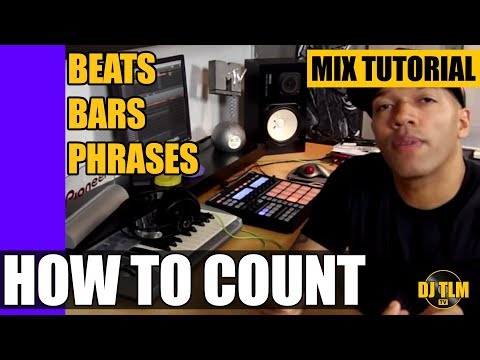
When you hear the phrase “beats for music,” you might think of simple background loops or generic drum patterns—but the truth is that beats form the entire foundation of modern music production. From the layered 808 basslines of trap to the warm, dusty textures of lo-fi hip-hop, beats are the skeleton that gives songs their groove, emotion, and identity. Whether you are an aspiring rapper, a producer building your first project, or a content creator looking for the perfect instrumental backdrop, understanding what makes a great beat—and how to find, purchase, or produce one—is absolutely essential. This deep dive covers everything you need to know about beats for music, from the different genres and types to practical tips for choosing the right ones for your tracks.
What Are Beats for Music?
At its core, a beat is a pre-produced or self-produced instrumental arrangement that serves as the rhythmic and harmonic backbone of a song. It typically includes drum patterns, basslines, melodies, chord progressions, and sometimes vocal ad-libs or sampled textures. Think of a beat as the canvas—rappers, singers, and vocalists layer their lyrics and melodies on top of it to create a finished track.
The history of beats in music stretches back decades. Early hip-hop pioneers like DJ Kool Herc and Grandmaster Flash built beats by isolating percussion breaks from funk and soul records. Today, beats are created using digital audio workstations (DAWs) like FL Studio, Ableton Live, and Logic Pro, and they span virtually every genre from pop and R&B to drill, reggaeton, and electronic dance music.
Key components of a professional beat include:
- Drum programming (kick, snare, hi-hats, percussion)
- Basslines (sub-bass, melodic bass, 808s)
- Melodic elements (piano, synth pads, strings, guitar loops)
- Arrangement and song structure (intro, verse, chorus, bridge, outro)
- Mix quality and mastering polish
Types of Beats for Music
The landscape of beats for music is incredibly diverse. Different genres demand different rhythmic feels, tempos, and tonal palettes. Here is a breakdown of the most popular beat categories that artists and producers work with today.
Trap Beats
Trap beats originated in the Southern United States and have become one of the most dominant styles in mainstream hip-hop and pop music. They are characterized by heavy 808 bass, rapid hi-hat rolls, dark melodic pads, and sparse arrangements. Artists like Future, Playboi Carti, and Travis Scott have built entire careers around trap instrumentals.
Lo-Fi Beats
Lo-fi hip-hop beats gained massive popularity thanks to YouTube streams and the study-music phenomenon. These beats feature degraded audio quality, warm vinyl crackle, mellow jazz chords, and relaxed drum grooves. They are ideal for chill rap, spoken word, and background music for content creators.
R&B Beats
R&B beats emphasize smooth, soulful melodies, lush chord progressions, and laid-back drum patterns. They often incorporate live instrumentation or sampled classic sounds from 1990s and 2000s R&B. Artists like SZA, Daniel Caesar, and Giveon rely heavily on atmospheric R&B instrumentals.

Drill Beats
Drill beats, which emerged from Chicago and later evolved in the UK and Brooklyn, are dark, aggressive, and minimalist. They feature sliding 808 patterns, eerie melodies, and hard-hitting kicks. Drill production is a specialized skill, and the right beat can make or break a drill track.
EDM and Electronic Beats
Electronic dance music beats focus on synthesized sounds, build-ups, drops, and driving rhythms. Subgenres like house, techno, dubstep, and future bass each have their own production styles. These beats are used not only in DJ sets but also in pop crossover tracks and viral social media content.
How to Choose the Right Beats for Your Music
Selecting the right instrumental for your song is one of the most critical decisions you will make as an artist. A mismatched beat can undermine even the best lyrics and vocal performance. Here is a step-by-step approach to choosing beats that elevate your music.
- Identify your genre and mood. Before browsing any catalog, know what kind of energy your track needs. Is it aggressive? Melancholic? Upbeat? The emotional direction of your song should guide your beat selection.
- Listen for the right tempo. Most genres have standard BPM ranges. Trap typically sits between 130 and 170 BPM, while R&B often ranges from 70 to 100 BPM. Matching your vocal delivery to the beat’s tempo ensures a natural flow.
- Check the key and melody. If your lyrics are in a specific key, the beat should complement it. Many producers provide key information with their instrumentals, making this easier to match.
- Evaluate the mix quality. A professionally mixed beat will have clear separation between the kick, snare, and melodic elements. Poorly mixed beats can muddy your vocals and make mastering difficult later.
- Consider licensing and usage rights. Always understand whether you are purchasing a non-exclusive lease or an exclusive rights agreement, and what each allows you to do commercially.
Best Platforms to Buy and Download Beats
The internet has democratized beat purchasing, giving artists access to thousands of instrumentals from producers around the world. Here are some of the most reputable platforms where you can find beats for music across every genre.
| Platform | Best For | Price Range | License Options |
| BeatStars | All genres, leasing and exclusives | $10–$50,000+ | Non-exclusive lease, exclusive, unlimited |
| Airbit | Trap, hip-hop, R&B | $15–$30,000 | Lease, exclusive, premium |
| Tracklib | Sample-based production | $10–$200 | Clearance licenses |
| Splice | Electronic, pop, production packs | $8–$15/month | Subscription-based downloads |
| SoundClick | Independent producers, all genres | Free to $500 | Free, standard, exclusive |
| Bandcamp | Independent beat makers | Varies by artist | Varies |
Expert tip: When buying beats online, always read the license terms carefully. Some non-exclusive licenses limit the number of copies you can sell, while others restrict commercial use on streaming platforms. If you plan to release a major project, investing in exclusive rights is often the safest long-term move.
Tips for Producers and Artists Using Beats
Whether you are producing beats yourself or shopping for instrumentals, these expert recommendations will help you get better results.
- Layer your drums. A single kick or snare sample sounds flat. Professional producers layer multiple drum samples and use compression to create punchy, radio-ready drums.
- Use sidechain compression. Ducking the bass and pads slightly when the kick hits creates a rhythmic pulse that makes your beat feel alive and dynamic.
- Add texture and variation. Incorporate risers, Foley sounds, vinyl noise, or ambient pads to give your beat depth and interest.
- Leave space for vocals. A beat that is too busy will compete with the singer or rapper. Strip back elements in the verse sections to let the vocals shine.
- Reference your mixes. Compare your beat against professionally released tracks in the same genre to ensure your levels, EQ, and stereo image are competitive.
- Collaborate with producers. Many successful artists build long-term relationships with specific producers, creating a signature sound that fans recognize instantly.
Beat Leasing vs. Exclusive Purchases

Understanding the difference between leasing and exclusive beat purchases is crucial for any artist planning to monetize their music. A non-exclusive lease allows multiple artists to use the same beat, typically at a lower price point. An exclusive purchase removes the beat from the producer’s catalog entirely, giving you sole ownership and the freedom to copyright your final song without disputes.
For beginners and independent artists, leasing is an affordable way to start building a catalog. However, if you are working on a project you plan to release on a major label or monetize heavily, exclusive rights provide the legal clarity and uniqueness that can protect your investment.
How Beats Shape the Music Industry Today
Beats for music are no longer just background tracks—they are cultural artifacts that define eras and movements. The rise of TikTok and short-form video content has made beat selection even more critical, as producers now create beats specifically designed to go viral. Dark, moody instrumentals dominate the streaming charts, while upbeat, melodic production captures the attention of casual listeners scrolling through feeds.
Producers like Metro Boomin, Southside, and Mike Dean have become as famous as the artists they work with, proving that the beatmaker’s role in modern music is more powerful than ever. If you are serious about your craft—whether you are making beats or choosing them for your projects—investing time in understanding beat quality, licensing, and genre conventions will set you apart from the competition.
Frequently Asked Questions
What are the best beats for music for beginner rappers? Beginners should look for beats with a clear, steady tempo between 80 and 100 BPM and a simple drum pattern. Lo-fi hip-hop and classic boom-bap instrumentals are excellent starting points because they allow new artists to practice flow and delivery without being overwhelmed by complex production.
How much do professional beats for music typically cost? Non-exclusive beat leases generally range from $10 to $50 on platforms like BeatStars and Airbit. Exclusive purchases can range from $200 for independent producers to $10,000 or more for beats from well-known producers with established catalog names.
Can I use free beats for music on Spotify or Apple Music? Yes, but only if the beat comes with a royalty-free or creative commons license that allows commercial use. Always verify the licensing terms before uploading a track to streaming platforms, as unauthorized use of copyrighted instrumentals can result in takedowns or revenue disputes.
What makes a beat go viral on TikTok and Instagram Reels? Viral beats typically feature a distinctive hook within the first five to ten seconds, a hard-hitting bass drop, and an infectious melodic element that is easy to lip-sync or dance to. Short, punchy instrumentals with clear rhythmic patterns perform best in short-form video environments.
How do I know if a beat is high quality before I buy it? Listen for clear separation between instruments, a balanced frequency response, and no clipping or distortion. If possible, request a preview or demo version and check how the beat sounds on both headphones and speakers before committing to a purchase.
Is it better to produce my own beats or buy them? This depends on your goals and resources. Producing your own beats gives you complete creative control and long-term skill development, while buying beats saves time and allows you to focus on writing and performing. Many successful artists do both—producing some instrumentals and licensing others to build a diverse catalog efficiently.
Final Thoughts
The world of beats for music is vast, evolving, and endlessly creative. Whether you are discovering your first instrumental or refining a signature production style, the key is to stay curious, invest in quality, and understand the business side of beat licensing. With the right beat and the right approach, you can create music that resonates with listeners and stands the test of time. Start exploring, keep experimenting, and let the beat guide your artistry.