


Audio gear rentals have transformed the way musicians, content creators, event planners, and production companies access professional-grade equipment without the burden of enormous upfront costs. Whether you are a touring artist preparing for a festival, a podcaster launching your first episode, or a filmmaker scouting location sound, renting high-quality audio equipment gives you the flexibility to match your setup to each project’s unique demands. This guide dives deep into everything you need to know about audio gear rental—from choosing the right provider and understanding pricing structures to expert tips that save you time, money, and headaches. If you have ever wondered whether renting is better than buying, or if you are simply curious about what equipment is available, this comprehensive breakdown covers it all.
What Is Audio Gear Rental and Why Is It Growing So Fast
Audio gear rental refers to the practice of leasing professional sound equipment for a defined period—typically by the day, weekend, or week—rather than purchasing it outright. The rental model has gained massive traction over the past decade, driven by rising equipment costs, the democratization of content creation, and the increasing frequency of one-off or short-term projects. Studios, touring bands, corporate event organizers, and even YouTube creators now rely on audio rental services as a core part of their workflow.
The growth of the audio rental industry mirrors broader trends in the sharing economy. Much like how photographers rent lenses instead of buying every focal length, sound professionals now treat high-end gear as a resource to tap into when needed. This shift is especially pronounced among independent artists and small production houses who need access to studio-quality microphones, mixing consoles, and monitor speakers without committing tens of thousands of dollars to a permanent inventory.
Types of Audio Gear Available for Rent
The range of equipment available through audio rental services is remarkably broad. Below is a breakdown of the most commonly rented categories, each serving a distinct purpose in the production and live sound ecosystem.
Microphones and Recording Equipment
Condenser microphones, dynamic microphones, ribbon mics, and lavalier options dominate the rental market. Popular models from brands like Neumann, Shure, Sennheiser, and Audio-Technica are frequently leased for studio sessions, location sound, and broadcast work. Accessories such as shock mounts, pop filters, high-quality XLR cables, and preamps round out the recording toolkit available for rent.
Mixers, Amplifiers, and PA Systems
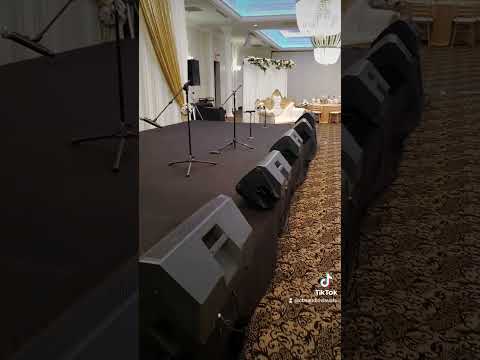
For live events and multi-track recording, renting a digital mixer from manufacturers like Yamaha, Allen & Heath, or Behringer can be a game-changer. PA systems—including passive and active speaker stacks, subwoofers, and line array configurations—are essential for concerts, conferences, and outdoor festivals. Amplifiers and signal processors such as compressors, EQs, and reverb units complete the signal chain that rental companies offer.
DJ Controllers and Digital Audio Workstations
DJ setups featuring Pioneer CDJs, Traktor controllers, and Serato-compatible interfaces are among the most popular rental items for club events and private parties. Similarly, portable DAW rigs loaded with software licenses allow producers to work in a professional environment without building a permanent home studio.

Benefits of Renting Audio Equipment

Understanding why so many professionals choose rental over ownership reveals the strategic advantages of this approach. Here are the key benefits:
- Significant Cost Savings—Purchasing a full PA system or a collection of studio microphones can cost thousands of dollars. Renting the same setup for a single event or recording session costs a fraction of that amount, freeing capital for other business needs.
- Access to Cutting-Edge Gear—Rental houses regularly update their inventories with the latest models, meaning you can work with newest releases and industry-standard equipment without waiting for budget approvals or saving cycles.
- No Maintenance or Storage Hassles—Equipment depreciation, cleaning, repairs, and storage space are entirely the responsibility of the rental provider. You return the gear and move on.
- Flexibility and Scalability—Need a larger speaker rig for a bigger venue next month? A rental company lets you scale up or down effortlessly, matching your equipment needs to each project’s scope.
- Risk Reduction—Trying out unfamiliar gear before committing to a purchase is one of the most underrated benefits. Renting lets you evaluate performance and build confidence in your equipment choices.
How to Choose the Right Audio Rental Company
Not all rental providers deliver the same experience. Selecting the right company requires evaluating several critical factors that directly impact the quality and reliability of your gear.
- Inventory Depth and Variety—Look for a provider that carries a wide range of brands and models. A company with limited stock may force you to compromise on your setup. Top-tier rental houses stock hundreds of items spanning every category of audio equipment.
- Equipment Condition and Maintenance Standards—Ask about inspection schedules, replacement policies, and whether gear is tested before every rental. Well-maintained equipment reduces the risk of failures during critical moments.
- Delivery, Pickup, and Logistics—Many rental companies offer delivery, setup assistance, and pickup services. This is invaluable for large-scale events where transporting heavy PA systems or mixing consoles yourself is impractical.
- Pricing Transparency—Reputable providers quote clearly, with no hidden fees for late returns, damage waivers, or cleaning charges. Always request a detailed breakdown before confirming a reservation.
- Customer Reviews and Industry Reputation—Check independent review platforms, forums, and social media for feedback from previous renters. Consistent praise for reliability and customer service is a strong indicator of a trustworthy company.
| Factor | Budget Rental Service | Premium Rental Service |
|---|---|---|
| Price Range (per day) | $20–$100 | $75–$500+ |
| Equipment Quality | Good, mostly consumer-grade | Professional and studio-grade |
| Inventory Size | Limited, 20–100 items | Extensive, 500+ items |
| Delivery & Setup | Rarely included | Usually included |
| Damage Insurance | Optional add-on | Often included |
| Best For | Hobbyists, small events | Professional productions, tours |
Top Tips for First-Time Audio Gear Renters
If you are new to renting audio equipment, these expert strategies will help you navigate the process smoothly and avoid common pitfalls.
- Plan Your Technical Rider Early—Before contacting a rental company, create a detailed list of every piece of equipment you need, including specific models, quantities, and any adapters or cables required. Sharing a technical rider upfront prevents misunderstandings and ensures you receive exactly what you need.
- Book Well in Advance—Popular items like flagship microphones and large-format mixing consoles are frequently rented out, especially during peak event seasons. Booking two to four weeks ahead of time significantly improves your chances of securing your preferred gear.
- Inspect Everything Upon Pickup—Walk through every piece of equipment with the rental provider. Document any pre-existing scratches, dents, or functional issues in writing or with photos. This protects you from being charged for damage that was already present.
- Test Before the Event or Session—If possible, rent gear a day or two before your actual event and run a full sound check. This gives you time to troubleshoot any issues and request replacements without panic.
- Understand the Return Policy—Late fees can be steep—some companies charge full daily rates for each day past the deadline. Know exactly when and how you need to return equipment, and factor return shipping time into your schedule.
- Ask About Bundle Deals—Many rental providers offer discounted packages when you rent multiple items together, such as a complete PA bundle with speakers, mixer, and microphones. Bundles often save 10–20% compared to renting each item individually.
How Much Does Audio Gear Rental Cost?
Pricing for audio gear rental varies widely based on equipment type, brand prestige, rental duration, and geographic location. A basic dynamic microphone might rent for $15–$30 per day, while a premium Neumann U87 condenser microphone can command $75–$150 per day. Full PA systems for a medium-sized venue typically range from $300–$1,500 per day depending on the number of speakers and the wattage required. High-end digital mixing consoles from brands like DiGiCo or Yamaha CL Series can cost $200–$600 per day. For extended projects, many rental companies offer weekly and monthly rates that provide substantial savings compared to daily pricing.
When budgeting for audio gear rental, remember to account for ancillary costs such as delivery fees, damage deposits, and any required technical support. Some companies charge a flat logistics fee, while others calculate delivery costs based on distance and setup complexity. Always request a comprehensive quote that breaks down every charge before finalizing your reservation.
Audio Gear Rental FAQs
Can I rent audio gear for a single day?
Absolutely. Most audio rental companies offer daily rental rates, and single-day bookings are ideal for one-off events, recording sessions, or location shoots. Expect to pay a premium per day compared to weekly rentals, but the flexibility is unmatched for short-term projects.
Do audio rental companies provide technical support or on-site engineers?
Many premium rental providers offer technical support and can dispatch a trained audio engineer to handle setup, sound check, and breakdown. This service is especially valuable for large-scale events and live productions where troubleshooting on the fly is critical. Budget rental services typically do not include this, so clarify what is available before booking.
What happens if rented equipment gets damaged?
Rental agreements almost always include a damage policy, but the terms vary significantly. Some companies charge the full replacement cost for irreparably damaged gear, while others rely on insurance coverage or damage waivers that cap your financial liability. Always read the rental contract carefully and consider purchasing additional coverage if you are handling expensive equipment in a high-risk environment.
Is it cheaper to rent audio gear or buy used equipment?
The answer depends entirely on your usage pattern. If you need professional audio gear for a handful of projects per year, renting is almost always more cost-effective. However, if you use specific equipment daily—such as a studio recording engineer who relies on a particular microphone collection—buying used gear may make more financial sense over time. The key is to calculate your total cost of ownership, including maintenance, storage, depreciation, and potential resale value, against rental expenses for the same period.
Can I rent audio gear online and have it shipped to me?
Yes, many modern rental companies operate fully online platforms where you can browse inventories, check availability, reserve gear, and arrange shipping. Online rental services have expanded access significantly, allowing creators in remote areas to access professional audio equipment that would otherwise only be available in major metropolitan markets. Shipping costs and insurance during transit are typically included or available as add-on options.
Final Thoughts on Audio Gear Rentals
Audio gear rentals represent one of the smartest strategic decisions any sound professional, creator, or event organizer can make. The model eliminates the financial burden of ownership while providing access to world-class equipment that elevates the quality of every project. Whether you are a seasoned touring sound engineer or a content creator stepping into the world of professional audio for the first time, understanding how to navigate the rental landscape puts you ahead of the curve. Choose a reputable provider, plan your technical requirements thoroughly, and treat each rental as an opportunity to explore new gear and refine your craft. The right rental experience does not just save you money—it opens doors to creative possibilities that owning equipment alone never could.