


The journey toward mastering AP Music Theory is one of the most rewarding academic pursuits a high school student can undertake, but it is also one of the most demanding. The College Board’s AP Music Theory exam tests everything from fundamental interval recognition and rhythmic fluency to advanced harmonic analysis, sight-singing, and compositional fluency — a breadth of knowledge that many students simply cannot achieve alone. This is precisely where working with a dedicated AP Music Theory tutor becomes a game-changer. Whether you are a freshman just discovering your passion for music or a senior aiming to earn that coveted 5 on exam day, the right tutor provides structure, accountability, and personalized instruction that no classroom alone can offer. In this comprehensive guide, we will walk you through everything you need to know about finding, choosing, and working with an AP Music Theory tutor who can elevate your musicianship and help you succeed on the exam.
What Is AP Music Theory and Why Do Students Need a Tutor?
AP Music Theory is a rigorous college-level course designed to develop students’ understanding of musical structure, notation, harmony, counterpoint, and aural skills. The curriculum aligns with the College Board’s official framework and covers seven main units: musical elements, musical form, and a wide range of harmonic and stylistic concepts spanning from the Baroque period through contemporary compositions. The exam itself consists of multiple-choice questions, short-answer listening items, a sight-singing component, and a written composition section.
Many students enroll in AP Music Theory because they already play an instrument or sing, believing that their performance background will translate seamlessly into theoretical knowledge. While musical experience certainly helps, there is a significant gap between performing music and analyzing music on paper. A tutor bridges that gap by teaching you how to decode notation, identify chord functions, and understand why composers made specific harmonic choices. Without this guided instruction, students often feel overwhelmed by the sheer volume of terminology, Roman numeral analysis, and aural dictation exercises that the exam demands.
How to Find the Right AP Music Theory Tutor
Finding a qualified tutor requires more than a simple internet search. You need someone who not only understands music theory at a deep level but also has a proven track record of preparing students for the AP exam specifically. Here are the key qualities to evaluate before committing to any instructor:
Key Qualities to Look For
- Formal training in music theory or musicology. Your tutor should hold at least a bachelor’s degree in music, preferably with coursework or a specialization in music theory. Someone who studied music performance exclusively may lack the analytical teaching skills you need.
- Experience with the AP Music Theory curriculum. A great tutor has taught or tutored the AP syllabus before and is intimately familiar with the exam format, scoring rubrics, and commonly tested concepts.
- Strong aural skills themselves. Sight-singing, melodic and harmonic dictation, and interval recognition are critical exam components. Your tutor must demonstrate these skills fluently, not just understand them intellectually.
- Patience and adaptability. Every student learns differently. The best AP Music Theory tutors tailor their lessons to your current skill level, learning pace, and specific weaknesses rather than following a rigid one-size-fits-all script.
- Positive student reviews and references. Look for testimonials or ask for references from past students who achieved strong scores on the exam. Word-of-mouth recommendations remain one of the most reliable indicators of teaching quality.
What an AP Music Theory Tutor Covers
A skilled tutor structures their instruction to build your knowledge progressively, moving from foundational concepts to advanced analytical and compositional tasks. Here is how that progression typically unfolds across different skill levels.

Beginner Level Fundamentals
For students with little or no prior exposure to written music theory, the initial tutoring sessions focus on building a rock-solid foundation. Key topics at this stage include:
- Reading treble and bass clefs fluently, including ledger lines and transposition between octaves
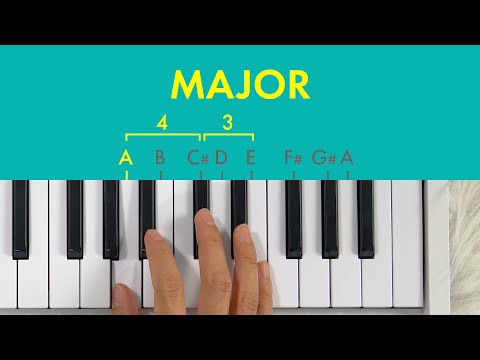
- Understanding major and minor scales, including the construction of key signatures and the circle of fifths
- Identifying and writing intervals by quality and size, from unisons through octaves
- Recognizing basic triads (major, minor, diminished, augmented) and their inversions
- Introduction to rhythmic dictation and simple meter signatures
At the beginner level, your tutor will use repetition, flashcard exercises, and short listening drills to ensure these concepts become second nature before moving forward.
Intermediate Skill Building
Once the fundamentals are secure, tutoring sessions shift toward more complex harmonic and structural analysis. Intermediate topics typically include:
- Seventh chord construction and voice leading — understanding root position and inverted seventh chords, and learning how to connect them smoothly using proper voice leading principles
- Functional harmony and Roman numeral analysis — identifying tonic, predominant, and dominant functions in both major and minor keys
- Melodic and harmonic dictation — practicing active listening to transcribe single melodies and chord progressions by ear, a skill that constitutes a significant portion of the AP exam
- Phrase structure and musical form — analyzing how composers organize periods, sentences, and larger binary or ternary forms
- Part-writing fundamentals — learning to write correct four-voice chorale-style harmonizations following standard voice-leading rules
Advanced Mastery and Exam Preparation
In the final phase of tutoring, the focus turns entirely to exam readiness and advanced concepts. Your tutor will walk you through:
- Complex chromatic harmony, including secondary dominants, borrowed chords, and Neapolitan chords
- Non-chord tones such as suspensions, appoggiaturas, and passing tones, and how to identify them in score analysis
- Sight-singing practice with increasingly difficult melodic passages, including those with chromaticism and irregular rhythms
- Timed practice exams under realistic testing conditions to build stamina and reduce anxiety
- Essay and composition sections, where you learn to write a convincing harmonic analysis and a short composition that demonstrates command of style
Advanced tutoring also involves strategic test-taking techniques — knowing how to manage your time during the multiple-choice section, how to approach sight-singing with confidence even when you encounter an unfamiliar melody, and how to use process-of-elimination effectively on the listening questions.
Online vs. In-Person AP Music Theory Tutoring

One of the most important decisions you will make is whether to study with a tutor in person or through an online platform. Both options have distinct advantages, and the best choice depends on your schedule, location, and personal learning preferences.
| Factor | Online Tutoring | In-Person Tutoring |
| Flexibility | High — sessions from anywhere with internet access | Moderate — requires travel to a fixed location |
| Tutor Selection | Access to a global pool of qualified instructors | Limited to tutors in your geographic area |
| Cost | Often more affordable due to lower overhead | May be higher, especially in urban areas |
| Aural Skill Practice | Effective with good audio equipment and screen sharing | Slightly more natural for real-time ensemble and listening exercises |
| Personal Connection | Strong with video conferencing but slightly less informal | Often stronger due to face-to-face interaction |
| Scheduling | Easier to find time slots that fit busy school schedules | Can be harder to coordinate around travel and location |
Many students find that online tutoring works exceptionally well for AP Music Theory because the course content relies heavily on written analysis, score reading, and recorded listening exercises — all of which translate smoothly to a virtual classroom. A tutor can share scores on screen, use music notation software, and play audio clips directly through your headphones. That said, students who struggle with focus in a screen-based environment may prefer the accountability and presence of an in-person instructor.
How Much Does an AP Music Theory Tutor Cost?
Tutoring rates for AP Music Theory vary based on experience, location, and format. On average, you can expect the following ranges:

- Private in-person tutoring: $40 to $80 per hour, with higher rates in major metropolitan areas
- Online private tutoring: $30 to $60 per hour, often at the lower end of the spectrum
- Group tutoring sessions: $20 to $40 per hour per student, which can be a cost-effective option if you study with classmates
- Premium tutors with extensive AP exam experience: $75 to $120+ per hour, particularly for instructors who have served as AP graders or curriculum consultants
Most students benefit from 8 to 16 hours of tutoring spread over 6 to 12 weeks leading up to the exam, which typically takes place in early May. Budgeting between $300 and $900 for a comprehensive tutoring package is a reasonable expectation for most families.
Expert Tips to Maximize Your Tutoring Sessions
Getting the most value from your time with an AP Music Theory tutor requires active preparation and consistent practice between sessions. Consider these expert recommendations:
- Come to every session with specific questions. Identify the concepts that confused you during self-study and bring specific scores, exercises, or exam prompts you struggled with. This allows your tutor to target your exact weaknesses rather than reviewing material you already understand.
- Practice aural skills daily, even for just 10 minutes. Interval recognition, chord quality identification, and rhythmic dictation improve with consistent, short practice rather than infrequent marathon sessions. Use apps and online dictation tools alongside your tutor’s guidance.
- Do your written homework between sessions. Your tutor will assign exercises, but you must complete them independently to build the analytical muscle the exam requires. Half-hearted completion wastes both your money and your preparation time.
- Take full-length practice exams under timed conditions. Simulating the real test environment at least twice before exam day helps you manage pacing, identify persistent weak spots, and build the mental endurance needed for the full three-hour exam.
- Communicate openly with your tutor about your goals. Are you aiming for a 3, a 4, or a 5? Your tutor can adjust the intensity and focus of the curriculum based on your target score, so honest communication about your goals and anxieties is essential.
Frequently Asked Questions
How do I find a qualified AP Music Theory tutor near me?
Start by checking local music schools, university music departments, and community colleges, where graduate students and faculty often offer private tutoring. Online platforms such as Wyzant, Lessonface, and Takelessons also allow you to filter tutors by subject expertise, AP exam experience, and student reviews. Always verify a tutor’s credentials and request a trial session before committing.
What should I look for in an AP Music Theory tutor for beginners?
Beginners need a tutor who excels at breaking down complex concepts into digestible steps. Look for someone who uses visual aids, ear training exercises, and incremental pacing. The tutor should be comfortable teaching students with no prior theory background and should build confidence before introducing advanced harmonic concepts.
How much does an AP Music Theory tutor cost per hour?
Most AP Music Theory tutors charge between $30 and $80 per hour depending on their qualifications, location, and whether sessions are online or in person. Group sessions offer the best value, while highly experienced tutors with proven AP exam results may charge premium rates.
Can an AP Music Theory tutor help me pass the exam on my first attempt?
Absolutely. A structured tutoring plan that targets your specific weaknesses, combined with consistent practice between sessions, dramatically increases your likelihood of passing on your first attempt. Students who work with experienced tutors typically report higher confidence and stronger scores than those who rely solely on classroom instruction.
What is the best online platform to hire an AP Music Theory tutor?
Popular platforms include Wyzant, which offers detailed tutor profiles and ratings; Lessonface, which specializes in music instruction; and Preply, which features international tutors with diverse teaching backgrounds. Evaluate each platform based on available tutor profiles, pricing, and the option to schedule trial lessons.
How long should I study with an AP Music Theory tutor before the exam?
A typical preparation timeline ranges from 8 to 16 weeks, with one to two sessions per week. Students starting with weaker foundations may need closer to 16 weeks, while those with solid musical backgrounds might prepare effectively in 8 to 10 weeks. Beginning your tutoring early in the school year gives you the advantage of building skills gradually and reducing last-minute stress.
Conclusion
Investing in an AP Music Theory tutor is one of the most strategic decisions you can make as a student preparing for this challenging exam. From building foundational literacy in notation and intervals to mastering chromatic harmony and sight-singing under exam pressure, a skilled tutor provides the roadmap, encouragement, and expert feedback that turn musical curiosity into measurable success. Whether you choose online or in-person instruction, prioritize finding a tutor who combines deep subject expertise with a teaching style that resonates with your learning personality. Start early, stay consistent, and approach each session with intention — and you will walk into that exam room on test day fully prepared and confident in your abilities.