


When you look back at 2018, the music landscape shifted in ways that reshaped how we discover, stream, and consume songs on a daily basis. The year wasn’t just about one genre dominating the charts—it was a convergence of technology, global sounds, and bold creative experimentation that set the tone for the entire decade ahead. Whether you were a casual listener scrolling through Spotify playlists or a dedicated audiophile hunting for the next big sound, 2018 delivered something for everyone. This article breaks down the most influential 2018 music trends, explains why they mattered, and gives you practical insights you can still use today to understand the evolution of modern music.
The Rise of Genre-Blending and Cross-Pollination
One of the most defining characteristics of 2018’s sound was the collapse of traditional genre boundaries. Artists refused to be boxed in, and listeners embraced hybrid styles that fused elements from pop, hip-hop, R&B, electronic music, and even country. The year proved that rigid genre classifications were becoming obsolete in a streaming-first world.
Consider how artists like Post Malone blurred the lines between hip-hop and rock-influenced pop, or how Juice WRLD merged emo sensibilities with trap production. These weren’t novelty experiments—they were deliberate artistic choices backed by audiences who craved something fresh. The genre-blending movement in 2018 was driven by a few key factors:
- Streaming algorithms rewarded eclecticism over genre purity
- Younger audiences grew up consuming music without genre loyalty
- Producers borrowed sounds across cultures and decades at an unprecedented rate
- Social media accelerated cross-genre discovery and virality
Why Genre Fusion Mattered for Industry Trends
The genre-blending trend wasn’t just an aesthetic choice—it had real commercial implications. Songs that mixed elements from multiple genres tended to perform better on streaming platforms because they appealed to broader audiences. Labels and A&R teams started signing artists who could cross over effortlessly, and radio formats loosened their strict genre rules to accommodate these boundary-pushing tracks.
Streaming Platforms and the Playlist Economy
2018 was arguably the watershed year for streaming’s dominance in the music industry. Spotify crossed 170 million monthly active users, Apple Music surpassed 36 million subscribers, and platforms like Amazon Music and Tidal were locked in fierce competition for market share. The way people discovered new music fundamentally changed—curated playlists became the new radio.
The playlist economy in 2018 gave rise to what industry insiders call “playlist culture,” where placement on major editorial playlists could make or break an artist’s career overnight. Songs that gained traction through viral moments on TikTok, Instagram, or YouTube found their way onto playlists like RapCaviar, Today’s Top Hits, and New Music Friday, driving streams that translated directly into chart positions.
- Spotify’s Discover Weekly personalized recommendations drove long-tail listening
- Apple Music leaned into exclusive album releases and original content
- Independent artists gained direct-to-fan distribution without traditional label infrastructure
- Playlist pitching became a critical part of any promotional strategy for new releases
How Streaming Changed Artist Revenue Models
While streaming opened doors for discovery, it also sparked debates about fair compensation. Per-stream payouts remained fractions of a cent, forcing many mid-tier artists to diversify income through touring, merchandise, and brand partnerships. The 2018 conversation around streaming royalties set the stage for the artist-friendly movements that would gain momentum in subsequent years.
| Platform | Key 2018 Feature | Subscriber Milestone |
| Spotify | Discover Weekly expansion, Spotify Singles | 170M+ MAU |
| Apple Music | Exclusive album drops, Beats 1 radio | 36M+ subscribers |
| Amazon Music | Alexa voice integration, HD streaming | Growing rapidly in US market |
| Tidal | Hi-Fi lossless audio push | Artist-owned model emphasis |
The Global Explosion of Latin Music
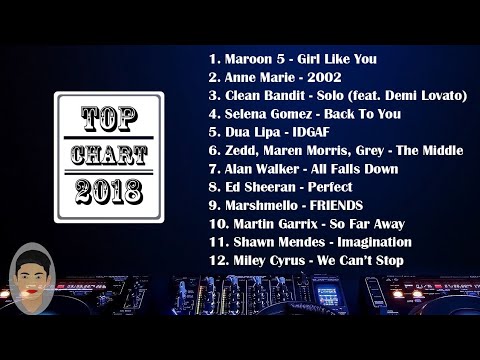
If there was one regional sound that took over the global stage in 2018, it was Latin music. Reggaetón, Latin trap, and tropical rhythms infiltrated mainstream playlists and topped charts across every major market. The fusion of Spanish-language vocals with contemporary trap and pop production created a sonic wave that was impossible to ignore.
Artists like J Balvin, Bad Bunny, and Rosalía became household names far beyond their home markets. Bad Bunny’s genre-defying approach combined reggaetón dembow rhythms with rock influences and unconventional visuals, while Rosalía brought flamenco-inspired vocal techniques into modern urban production. The crossover success of Latin music in 2018 wasn’t accidental—it reflected a broader cultural shift toward embracing multilingual and multicultural artistry.
Key drivers of Latin music’s global rise included:
- Collaborations between Latin artists and English-speaking pop and hip-hop stars
- Increased representation on major festival lineups and award shows
- The accessibility of Spanish-language content through global streaming platforms
- Viral social media moments that introduced Latin rhythms to non-Spanish-speaking audiences

Hip-Hop and Trap’s Continued Cultural Dominance
Hip-hop remained the most consumed genre in 2018, continuing its streak as the dominant force in popular music. Trap production—with its heavy 808 bass, rapid hi-hat patterns, and dark melodic textures—remained the sonic backbone of the charts. However, the year also saw hip-hop push into more experimental and introspective territory.
Kendrick Lamar’s DAMN. won the Pulitzer Prize for Music, marking a historic moment for hip-hop’s recognition as a serious art form. Albums like Kids See Ghosts by Kanye West and Kid Cudi explored psychedelic rap territory, while artists like Travis Scott and 21 Savage dominated both streaming numbers and cultural conversation. The hip-hop landscape in 2018 was diverse, ranging from polished mainstream anthems to underground experiments that challenged conventional song structures.
Emerging Subgenres Within Hip-Hop in 2018
Several micro-movements gained traction within the broader hip-hop ecosystem during 2018. Emo rap continued its rise, led by artists who blended vulnerability with hard-hitting production. SoundCloud rap maintained its influence, with lo-fi, distorted beats becoming a signature aesthetic. Drill music expanded from Chicago and the UK into global markets, influencing production styles across continents.
Comparison: 2018 Music Trends vs. Previous Years
Understanding 2018 in context requires comparing it to the trends that preceded it. The shift from physical sales to streaming, the globalization of sounds, and the democratization of music production tools all accelerated during this period.
| Trend Area | 2016-2017 | 2018 | Impact |
| Music Discovery | Radio and social media clips | Algorithm-driven playlists | More personalized, less gatekept |
| Genre Boundaries | Blurring but still distinct | Full genre collapse | Hybrid sounds dominated charts |
| Global Sounds | Limited crossover | Latin music goes global | Diverse voices reached mainstream |
| Production Style | Polished, studio-heavy | Lo-fi and bedroom production accepted | Lower barriers to entry |
| Revenue Model | Streaming growing but secondary | Streaming became primary income source | Toured more, sold fewer records |
Expert Recommendations for Understanding 2018’s Legacy
If you want to fully appreciate how 2018 shaped today’s music landscape, start by listening to the year-end lists from major publications and noting patterns in genre diversity and production choices. Pay attention to how playlists influenced listener behavior—many of the habits formed in 2018 still govern how we find music today. For producers and aspiring artists, study the production techniques that defined the year, from the layered vocal processing in pop to the minimalist trap beats that took over hip-hop.
Music industry professionals in 2018 learned several valuable lessons that remain relevant. First, playlist placement is no longer optional—it is essential for visibility in the streaming era. Second, visual content and social media presence are inseparable from musical success. Third, authenticity and genre fluidity resonate more deeply with audiences than rigid adherence to a single style.
2018 Music Trends FAQs
What were the biggest music trends of 2018?
The biggest 2018 music trends included genre-blending and cross-pollination between hip-hop, pop, and rock, the explosive global rise of Latin music, streaming platform dominance through curated playlists, and the continued cultural dominance of trap production in hip-hop. These trends collectively reshaped how audiences discovered and engaged with music.
How did streaming platforms change the music industry in 2018?
In 2018, streaming platforms like Spotify and Apple Music became the primary method of music consumption worldwide. Curated playlists replaced traditional radio as the main discovery tool, algorithm-driven recommendations personalized listening experiences, and per-stream payouts sparked ongoing debates about fair artist compensation. The playlist economy gave rise to new promotional strategies that artists and labels still rely on today.
Why did Latin music become so popular globally in 2018?
Latin music’s global explosion in 2018 was driven by strategic collaborations between Spanish-speaking and English-speaking artists, increased visibility on major streaming playlists, viral social media moments, and a growing appetite among global audiences for diverse sounds. Artists like J Balvin, Bad Bunny, and Rosalía broke through cultural barriers by blending regional rhythms with contemporary production styles that resonated universally.
What role did hip-hop play in shaping 2018’s music scene?
Hip-hop was the most consumed genre in 2018, with trap production dominating mainstream charts and Kendrick Lamar’s Pulitzer Prize-winning album DAMN. marking a historic recognition of the genre’s artistic significance. The year also saw emerging subgenres like emo rap and psychedelic trap push creative boundaries within the hip-hop landscape.
How did 2018 music trends influence today’s music production?
The production techniques and genre-blending approaches that flourished in 2018 laid the groundwork for modern music creation. The acceptance of lo-fi and bedroom production lowered barriers for independent artists, playlist-driven songwriting influenced track structures, and the embrace of multilingual and multicultural sounds expanded the creative palette available to producers and artists worldwide.
Conclusion
The 2018 music trends represent a pivotal moment in modern music history—a year where technology, global culture, and artistic ambition converged to create a more connected and diverse listening experience. From the playlist revolution that changed how we discover songs to the Latin music explosion that brought Spanish-language sounds to the forefront of global pop culture, 2018 set precedents that continue to shape the industry. Understanding these trends gives you valuable context for appreciating today’s music landscape and anticipating where it might go next. The year proved that music thrives when it breaks rules, crosses borders, and embraces the unexpected—and that lesson remains as true now as it was then.