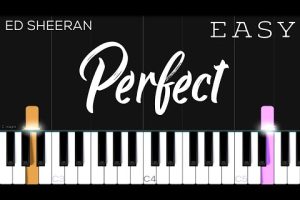
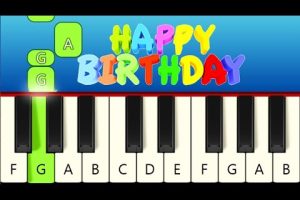
Learning to play the piano has never been more accessible, and an easy piano tutorial is the fastest way to go from complete beginner to playing your favorite songs with confidence. Whether you are picking up the keys for the first time at age six or rediscovering the instrument after decades away, the right tutorial transforms an overwhelming musical journey into manageable, enjoyable steps. In this comprehensive guide, we break down everything you need to know about finding and using easy piano tutorials effectively, from the very first notes to intermediate-level pieces that genuinely impress.
What Is an Easy Piano Tutorial?
An easy piano tutorial is a structured learning resource designed to teach foundational piano skills using simplified arrangements, step-by-step guidance, and accessible repertoire. Unlike traditional piano lessons that may jump into complex theory immediately, beginner-friendly tutorials focus on quick wins — getting students to play recognizable melodies within minutes or hours rather than months. These resources come in many forms, including video lessons on YouTube, interactive apps like Simply Piano and Flowkey, downloadable sheet music with numbered fingering guides, and structured online courses hosted on platforms like Skillshare or Udemy.
The defining characteristic of a quality easy piano tutorial is its ability to scaffold learning. This means each lesson builds logically on the previous one, introducing new concepts like chord progressions, hand coordination, and basic music reading without overwhelming the student. The best tutorials balance entertainment with education, ensuring learners stay motivated while developing genuine musicianship skills that transfer to more advanced repertoire over time.
Why Easy Piano Tutorials Are the Best Starting Point
Starting with an easy piano tutorial dramatically increases your chances of sticking with the instrument. Research in music education consistently shows that early success and enjoyment are the two strongest predictors of long-term practice habits. When a beginner can play a recognizable song within their first week, they develop positive associations with practice time.
Here are the key benefits of beginning with simplified tutorials:
- Immediate gratification: You play real songs quickly, not just scales and finger exercises.
- Reduced frustration: Simplified arrangements remove the barrier of complex notation and advanced technique.
- Flexible pacing: Video and app-based tutorials let you pause, rewind, and repeat at your own speed.
- Visual learning: Seeing hand positions on a keyboard or screen accelerates muscle memory development.
- Cost-effective: Many high-quality tutorials are free or far cheaper than private lessons.
Best Easy Piano Songs to Start Your Journey
Choosing the right first song matters enormously. The best beginner pieces feature simple hand positions, repetitive patterns, and recognizable melodies that keep you motivated. Here is a curated list of songs consistently recommended in top-rated easy piano tutorials.
Classic Beginner Pieces
- Ode to Joy by Ludwig van Beethoven — uses only five notes in the right hand and a simple left-hand accompaniment pattern.
- Fur Elise (simplified version) — introduces the iconic chromatic opening while keeping the left hand manageable.
- Canon in D — a beautiful chord-based arrangement perfect for practicing smooth voice leading.
- Heart and Soul — a timeless standard with a straightforward chord progression in C major.
Pop Songs Made Simple
- Let It Be by The Beatles — primarily uses four chords and a steady rhythmic pattern.
- Someone Like You by Adele — slow tempo and simple chord voicings make it ideal for beginners.
- Lean On Me by Bill Withers — features a repeating left-hand pattern paired with a singable melody.
- Hallelujah by Leonard Cohen — works beautifully in simplified arrangements using basic triads.
How to Use Easy Piano Tutorials Effectively
Simply watching a tutorial is not enough. To maximize your progress, follow this proven approach that combines active learning with smart practice habits.

- Warm up for five minutes before each session with finger stretches and simple scales to loosen your hands.
- Break the song into sections — tackle the right hand melody first, then layer in the left hand separately before combining.
- Practice slowly and accurately — speed comes naturally after muscle memory is built on correct repetitions.
- Use a metronome from the start, even at slow tempos, to develop a strong internal sense of timing.
- Record yourself regularly — listening back reveals timing issues and uneven dynamics that are hard to notice while playing.
- Review previous lessons weekly to reinforce retention and build confidence with older material.
Consistency beats intensity. Thirty minutes of daily practice with a quality tutorial will produce far better results than a three-hour weekend session once a week. Your brain consolidates motor learning during rest, so spacing your practice creates stronger neural pathways for piano technique.
Easy Piano Tutorial Resources: Apps vs. YouTube vs. Books
Not all learning platforms are created equal. Each format has distinct advantages depending on your learning style, budget, and goals. The table below compares the most popular categories of easy piano tutorial resources.
| Resource Type | Best For | Cost Range | Key Advantage |
| YouTube Video Tutorials | Visual learners who want free, specific song lessons | Free | Massive variety; real-time hand demonstrations |
| Interactive Apps (Flowkey, Simply Piano) | Self-paced learners who want feedback on timing and accuracy | Free–$20/month | Real-time note recognition and progress tracking |
| Online Course Platforms | Structured learners who want a curriculum from start to finish | $10–$50/month | Systematic progression and community support |
| Beginner Piano Books | Readers who prefer physical materials and offline practice | $10–$25 | Tactile learning; no screen dependency |
| Private Online Tutors | Students who need personalized feedback and accountability | $30–$80/hour | Tailored instruction and real-time correction |

For most absolute beginners, starting with a free YouTube tutorial for a specific song you love, paired with a structured app for foundational skills, creates the ideal balance of motivation and systematic learning. The key is to avoid tutorial hopping — jumping between resources without completing any single course of study. Pick one primary resource and commit to it for at least three months before evaluating whether it is working for you.
Tips from Professional Pianists for Fast Progress
Professional pianists who teach consistently emphasize several principles that separate fast learners from those who plateau. First, always practice hands separately before attempting to combine them. This is the single most impactful habit for beginners. Your right hand carries the melody while your left hand handles accompaniment patterns — each requires distinct coordination that develops more efficiently when isolated.
Second, focus on dynamics and expression from day one, not just hitting the correct notes. Even in the simplest easy piano tutorial, playing with varying volume and phrasing transforms a mechanical exercise into music. Professionals recommend exaggerating dynamics early on — play your right-hand melody loudly and your left-hand accompaniment softly — until dynamic contrast becomes second nature.
Third, learn to read chord symbols alongside traditional sheet music. Understanding that a C chord means you play C, E, and G together accelerates your ability to learn new songs independently. Many easy piano tutorials introduce chord charts early because this skill unlocks thousands of songs beyond what any single tutorial can teach you.
Advancing Beyond Easy Piano Tutorials

Once you have built a solid foundation through beginner tutorials, the natural next step involves expanding your technical and musical vocabulary. Consider these progression markers that indicate you are ready to move beyond the easiest level:
- You can play major and minor scales with both hands independently at moderate tempo.
- You read basic sheet music without relying on numbered fingering guides.
- You can accompany yourself singing while playing simple chord patterns.
- Your left hand can manage broken chord patterns and simple arpeggios.
- You understand time signatures beyond 4/4, including 3/4 and 6/8.
At this stage, transitioning to intermediate tutorials that introduce more complex rhythms, wider hand stretches, and richer harmonic vocabulary will continue your growth. The same platforms you used for beginner lessons often have intermediate-level content, making the transition seamless. The skills you developed through consistent easy piano practice — hand independence, chord recognition, rhythmic accuracy — form the foundation that makes advanced learning faster and more intuitive.
Frequently Asked Questions
How long does it take to see results from an easy piano tutorial?
Most students can play a simple song with both hands within two to four weeks of consistent daily practice. However, the timeline depends heavily on practice frequency, prior musical experience, and the quality of the tutorial chosen. Students who practice twenty to thirty minutes daily typically progress three times faster than those who practice sporadically, because consistent repetition builds muscle memory more effectively than irregular long sessions.
Do I need a full-size 88-key keyboard to start with easy piano tutorials?
No. Many excellent easy piano tutorials work perfectly on a 61-key or 76-key keyboard. If you plan to advance beyond the beginner level within a year or two, a weighted 88-key digital piano provides a more authentic playing experience and prepares your hands for the dynamic range required in classical repertoire. For casual learning and playing pop songs, a standard keyboard with touch sensitivity is entirely sufficient.
Can adults learn piano effectively through easy tutorials?
Absolutely. Adults actually have several advantages in the learning process, including better pattern recognition, stronger self-discipline, and clearer musical preferences that keep motivation high. The key difference for adult learners is patience — adult brains process new motor skills differently than children’s, but the depth of understanding and emotional connection to music often leads to more meaningful and satisfying progress over time.
What is the best way to supplement easy piano tutorials with additional practice?
The most effective supplemental practice is playing along with backing tracks at slow tempos, which develops your sense of timing and musical feel without the pressure of a live accompanist. Additionally, spending five to ten minutes daily on simple sight-reading exercises using beginner-level sheet music builds the reading fluency that accelerates all future learning. Many easy piano tutorial platforms now include built-in sight-reading mini-games that make this supplementary work genuinely enjoyable rather than a chore.
Conclusion: An easy piano tutorial is more than a shortcut to playing songs — it is a gateway to a lifelong musical skill that brings joy, cognitive benefits, and creative expression into your daily life. By choosing the right resources, practicing with intention and consistency, and building a strong foundation of fundamental skills, you set yourself up for sustainable progress that goes far beyond the simplest arrangements. Start today with a song you love, commit to a regular practice routine, and watch as the piano transforms from a mysterious instrument into a trusted creative companion. The journey of a thousand songs begins with a single note, and the best easy piano tutorial is simply the one you will actually use every day.