If you have always dreamed of sitting at a piano and playing beautiful melodies but felt intimidated by the learning curve, easy piano lessons are your gateway to making that dream a reality. Learning piano does not have to be overwhelming, expensive, or time-consuming. With the right approach, structured guidance, and consistent practice, anyone—regardless of age or musical background—can start playing recognizable songs within weeks. This comprehensive guide explores everything you need to know about beginning piano, choosing the simplest learning path, and building skills that last a lifetime. Whether you are a complete beginner or someone returning to the keys after years away, these strategies will help you progress efficiently and enjoy every step of the way.
Why Easy Piano Lessons Are the Best Way to Start Your Musical Journey
Starting with beginner-friendly piano instruction offers advantages that extend far beyond simply learning notes. When you begin with easy piano lessons for beginners, you build a solid foundation without the frustration that causes many aspiring musicians to quit. Studies in music education consistently show that learners who start with simplified, structured methods develop better retention, stronger motivation, and faster technical improvement. The key is choosing a learning method that matches your current skill level while gradually introducing new concepts at a manageable pace.
Easy piano instruction typically focuses on foundational skills such as finger positioning, basic rhythm, simple chord progressions, and melodic sight-reading. Rather than overwhelming students with complex theory from day one, these lessons prioritize practical playing so you can experience the joy of making music almost immediately. This approach is especially effective for children, adult learners returning to piano, and anyone who wants to play for personal enjoyment rather than pursue a professional concert career.
What Makes Piano Lessons Easy for Beginners
The simplest piano lessons share several characteristics that make them accessible and effective. Understanding these elements helps you choose the right program or teacher and sets realistic expectations for your progress.
Understanding the Keyboard Layout
Before diving into songs, every beginner needs to feel comfortable with the piano keyboard. The standard 88-key piano follows a repeating pattern of twelve notes—seven white keys and five black keys grouped in sets of two and three. Easy piano lessons start by teaching you to identify these groups quickly, locate middle C, and understand the geography of the keyboard without needing to memorize every single key name immediately. This spatial awareness becomes the backbone of your early progress.
Reading Music vs. Playing by Ear
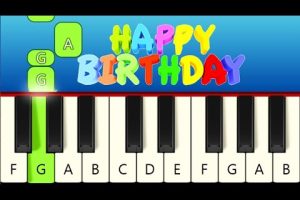
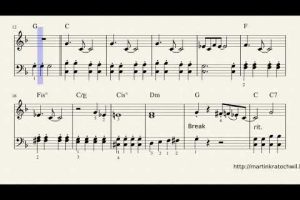
One of the biggest debates in beginner piano education is whether to learn standard sheet music or play by ear. Both approaches have merit, and the best easy piano learning methods often blend them. Reading standard notation gives you access to the vast classical and contemporary repertoire, while playing by ear develops your musical intuition and allows you to improvise and replicate songs you hear on the radio or in videos. Many modern beginner programs use numbered sheet music or color-coded systems as a stepping stone before introducing traditional notation.
Best Easy Piano Songs to Learn First
Choosing the right first songs makes a enormous difference in your motivation and skill development. The best beginner pieces are simple in structure, use a limited range of notes, and sound recognizable even when played at a basic level. Here are some of the most popular choices for easy piano songs for beginners:
- “Ode to Joy” by Beethoven – A timeless melody that uses only five notes in the right hand, perfect for learning finger movement across the keyboard.
- “Let It Be” by The Beatles – A gentle chord progression that introduces basic left-hand accompaniment patterns alongside a simple melody.
- “Moonlight Sonata (First Movement)” simplified – Many teachers offer simplified versions that capture the iconic sound without requiring advanced technique.
- “River Flows in You” by Yiruma – A modern favorite that uses repetitive hand patterns, making it approachable for beginners who enjoy contemporary piano music.
- “Hallelujah” by Leonard Cohen – A beautiful ballad with slow-moving chords that builds finger independence gradually.
- “Für Elise” simplified – One of the most rewarding first classical pieces, recognizable immediately and achievable with focused practice.
Starting with songs you genuinely enjoy keeps practice sessions engaging. When you are motivated by music you love, you naturally practice more consistently, and consistency is the single most important factor in rapid improvement.
Comparing Online vs. In-Person Easy Piano Lessons
Choosing between digital and traditional instruction is one of the most important decisions for a new piano student. Both formats have distinct strengths, and the right choice depends on your learning style, budget, and schedule.
| Feature | Online Piano Lessons | In-Person Piano Lessons |
| Cost | Typically $10–$30/month for subscription platforms; many free options available | $40–$100+ per session depending on location and instructor credentials |
| Flexibility | Learn at your own pace, anytime, from any device | Fixed schedule; travel time required |
| Feedback | Limited to video review or AI-based tools; no real-time correction | Immediate, personalized feedback from a live instructor |
| Curriculum | Structured but self-paced; often gamified for engagement | Tailored lesson plans adapted to your specific strengths and weaknesses |
| Best For | Self-motivated learners, budget-conscious students, casual players | Students who need accountability, young children, advanced technique development |
| Popular Platforms/Teachers | Simply Piano, Flowkey, Pianote, YouTube channels, Playground Sessions | Local music schools, private instructors through Thumbtack or TakeLessons |
Many successful piano learners combine both approaches—using online platforms for daily practice and theory reinforcement while attending periodic in-person sessions for technique refinement and personalized guidance. This hybrid model is increasingly popular among adult learners who want the structure of professional instruction with the convenience of digital learning tools.
How to Progress from Beginner to Intermediate and Beyond
One of the biggest mistakes aspiring pianists make is staying in the beginner zone too long or advancing too quickly without mastering fundamentals. A thoughtful progression strategy ensures steady growth and prevents the development of bad habits that are difficult to unlearn later.
- Months 1–3: Build Foundation – Focus on proper hand position, simple scales (C major, G major), basic rhythm reading, and easy single-hand melodies. Practice for 15–20 minutes daily.
- Months 4–6: Introduce Chords and Coordination – Begin playing simple chord progressions with the left hand while the right hand plays melodies. Try easy songs that require both hands working together.
- Months 7–12: Expand Repertoire and Technique – Add more keys to your scale practice (D minor, F major), explore dynamics (loud and soft), and start playing intermediate arrangements of your favorite songs.
- Year 2 and Beyond: Develop Personal Style – Explore improvisation, learn to play by ear more confidently, experiment with different genres (jazz, classical, pop), and consider more formal music theory study.
The most important thing at every stage is to practice consistently rather than cramming long sessions infrequently. Daily practice of even 20 minutes produces dramatically better results than two-hour weekend sessions alone.
Expert Tips to Make Learning Piano Easier and Faster
Experienced piano instructors and professional musicians share several practical strategies that accelerate learning for beginners. These tips come from years of teaching and playing, and they address the most common stumbling blocks new students face.

- Use a metronome from day one. Developing a strong internal sense of timing early prevents rhythm problems that become increasingly difficult to fix as you advance. Start slow and gradually increase tempo.
- Practice hands separately before combining them. This technique allows each hand to master its part independently before the cognitive load of playing both together is introduced.
- Break difficult passages into small sections. Instead of running through an entire song repeatedly, isolate the two or four measures that challenge you and repeat those slowly until they feel natural.
- Record yourself regularly. Listening to recordings of your playing reveals issues you may not notice while performing and provides a measurable record of your improvement over time.
- Learn music theory alongside practical playing. Understanding why chords work together or why certain scales create specific moods makes sight-reading and memorization significantly easier.
- Be patient with plateaus. Every piano learner encounters periods where progress feels stagnant. These plateaus are normal and often precede significant breakthroughs.

Easy Piano Lessons FAQ
How long does it take to learn easy piano songs?
Most dedicated beginners can play simple songs with both hands within four to six weeks of consistent daily practice lasting 15 to 20 minutes. Individual timelines vary based on prior musical experience, practice frequency, and the complexity of the chosen songs. Songs using single-note melodies with basic left-hand chords are typically the fastest to master.
Do I need a full-size 88-key piano to start learning?
No, you can absolutely begin with a 61-key or 76-key digital keyboard. Many easy piano lesson programs are designed to work within the range of a smaller instrument. However, if you plan to pursue piano seriously, investing in a full-size 88-key weighted keyboard or acoustic piano is recommended, as it develops proper finger strength and touch sensitivity.
Can adults learn piano easily even without prior musical experience?
Yes, adults are often better learners than children when it comes to piano because they can understand concepts more quickly and practice with greater intentionality. The key advantage adults have is the ability to grasp music theory logically, even if their fine motor skills take a bit longer to develop. Many adult beginners achieve impressive results within their first year using structured easy piano lessons for adults.
What is the easiest way to read piano sheet music for beginners?
The simplest approach is to start with simplified sheet music that uses numbered notes, color-coded keyboards, or letter names instead of traditional musical notation. Once you are comfortable finding and playing notes, transition gradually to standard five-line staff notation. Many apps like Simply Piano and Flowkey use this scaffolded approach, making reading piano sheet music easy even for absolute beginners.
Are free piano lesson resources effective for learning?
Free resources such as YouTube tutorials, blog guides, and beginner apps can be highly effective for casual learners and those on a tight budget. However, they lack the personalized feedback and structured curriculum progression that paid instruction provides. For the best results, consider using free materials for supplementary practice while investing in at least a basic structured program or periodic lessons with a qualified teacher.
Conclusion
Easy piano lessons open the door to a lifelong musical journey that enriches your mind, reduces stress, and provides a deeply rewarding creative outlet. Whether you choose online platforms, in-person instruction, or a blend of both, the most important factors are starting with appropriate material, practicing consistently, and maintaining your enthusiasm for the music you are learning. The piano is one of the most versatile and beautiful instruments ever created, and with today’s accessible learning resources, there has never been a better time to begin. Pick a song you love, find your starting point, and enjoy the incredible journey of learning to play piano.