


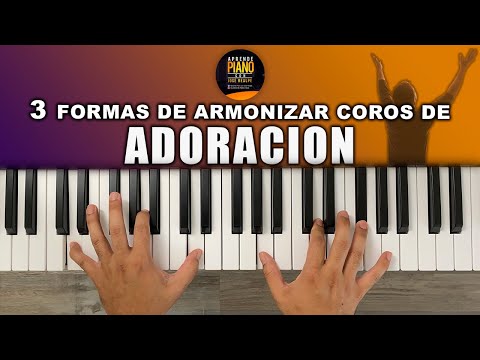
When people search for clases de piano, they are often looking for more than just a list of teachers or locations—they want a clear roadmap to understanding how piano education works, what it costs, and how to find the right fit for their skill level and goals. Whether you are a complete beginner pressing your first keys or an experienced player refining advanced techniques, the quality of your piano classes can make or break your progress. This comprehensive guide breaks down everything you need to know about piano classes in 2024, from choosing between online and in-person instruction to navigating beginner, intermediate, and advanced curricula. Let us dive in.
What Are Piano Classes and Why Do They Matter?
At their core, piano classes are structured learning sessions designed to teach students how to read music, develop proper technique, understand music theory, and build expressive playing skills over time. Unlike self-taught methods that rely on YouTube videos or apps alone, formal piano classes provide personalized feedback, accountability, and a systematic curriculum that guides students through progressive skill levels. Research in music education consistently shows that structured instruction accelerates learning by as much as 40% compared to unguided practice.
Beyond technical development, piano classes also cultivate cognitive benefits such as improved memory, enhanced concentration, and better emotional regulation. Many parents enroll their children in piano classes near me for these developmental advantages, while adults often seek them for personal enrichment, stress relief, or even cognitive health maintenance as they age.
Types of Piano Classes Available
The landscape of piano instruction has expanded dramatically in recent years. Understanding the different formats and levels available helps you make an informed decision that aligns with your goals.
Beginner Piano Classes
Beginner piano classes focus on foundational skills that every pianist needs. Students in these programs typically spend the first few months working on posture, hand positioning, finger independence, and basic music reading. A well-structured beginner curriculum should cover:

- Proper bench height, wrist alignment, and relaxed hand posture
- Music note identification on the treble and bass clefs
- Simple rhythm patterns and time signatures (4/4, 3/4, 2/4)
- Major and minor five-finger scales
- Introduction to basic chords and simple melodies
Most beginner piano classes run for 30 to 45 minutes per session, once a week. Instructors commonly use method books such as Alfred’s Basic Piano Library, Faber Piano Adventures, or Bastien Basics to provide a scaffolded learning path.

Intermediate Piano Classes
Intermediate piano classes bridge the gap between basic playing and more expressive musicianship. Students at this stage begin tackling more complex repertoire, including classical pieces by composers like Bach, Mozart, and Beethoven, alongside contemporary and jazz arrangements. Key areas of focus include:
- Scales and arpeggios across multiple keys and octaves
- Pedaling techniques (sustain pedal, soft pedal)
- Understanding chord progressions and harmonic analysis
- Sight-reading exercises to improve fluency
- Introduction to improvisation and playing by ear
Sessions at this level typically extend to 45 to 60 minutes, allowing more time for repertoire work and technical drills.
Advanced Piano Classes
Advanced piano classes cater to students preparing for conservatory auditions, competitions, or professional performance careers. These sessions emphasize interpretation, stylistic authenticity, advanced pedal techniques, and the development of a personal musical voice. Students may also explore specialized areas such as jazz piano improvisation, contemporary composition, or collaborative keyboard skills for accompanying singers and instrumentalists.
| Level | Duration | Focus Areas | Typical Age/Experience |
| Beginner | 30–45 min | Posture, reading, basic scales, simple songs | All ages; 0–6 months experience |
| Intermediate | 45–60 min | Pedaling, chord theory, sight-reading, repertoire | 1–3 years experience |
| Advanced | 60+ min | Interpretation, technique refinement, performance prep | 3+ years experience; serious students |
How to Choose the Right Piano Classes
Selecting the ideal piano lessons involves evaluating several factors that go beyond simply comparing prices. Here is what matters most:

- Teacher credentials: Look for instructors with formal music education degrees, performance experience, or certification from recognized organizations like the Royal Conservatory or MTNA.
- Teaching style: Some instructors prioritize classical training, while others specialize in jazz, pop, or contemporary styles. Choose a teacher whose approach resonates with your musical interests.
- Curriculum structure: A good program should offer clear milestones, periodic assessments, and opportunities for performance or evaluation.
- Flexibility: Whether you need weekend slots, evening classes, or an accelerated schedule, the right piano instructor should accommodate your availability.
- Student feedback: Read reviews, ask for trial lessons, and observe whether the instructor provides constructive criticism without discouraging the student.
Online vs In-Person Piano Classes
The debate between online and in-person piano classes has become one of the most discussed topics in music education. Both formats have distinct advantages depending on your situation.
| Factor | Online Piano Classes | In-Person Piano Classes |
| Flexibility | High — learn from anywhere, record lessons | Moderate — fixed schedule and location |
| Hands-on feedback | Limited — teacher cannot physically correct posture | Excellent — real-time physical adjustments |
| Cost | Generally lower — no commute or studio fees | Higher — includes studio overhead |
| Interaction | Screen-mediated; can feel less personal | Direct human connection and accountability |
| Best for | Self-motivated learners, busy schedules, budget-conscious students | Young beginners, advanced technique work, students who need structure |
Many successful students combine both approaches, attending in-person lessons for technique correction while using online resources for supplementary practice and theory study.
What to Expect in Your First Piano Class
If you have never attended formal piano training before, walking into your first class can feel intimidating. Here is what typically happens during an initial session:
- Assessment: The instructor will evaluate your current skill level, musical background, and goals. Be honest about your experience—even if you have never touched a keyboard.
- Instrument familiarization: You will learn the layout of the keyboard, the names of the notes, and how to sit properly at the piano.
- Simple exercises: Expect to play basic five-finger patterns or a simple melody like “Ode to Joy” to gauge your hand coordination.
- Goal setting: The teacher will outline a short-term plan, including recommended practice time and materials needed.
- Q&A: You will have the opportunity to ask questions about practice routines, recommended books, and what to expect in upcoming lessons.
A quality first class should leave you feeling encouraged rather than overwhelmed. If the instructor immediately overwhelms you with theory or technical jargon without context, that may be a red flag.
Expert Tips for Getting the Most Out of Piano Classes
Even the best piano education program will only work if you engage with it effectively. Here are proven strategies from experienced instructors:
- Practice smarter, not longer: Three focused 20-minute sessions per day outperform one two-hour session filled with distractions.
- Use a metronome: Developing a strong internal sense of rhythm prevents sloppy timing and builds discipline.
- Record yourself: Listening back to your playing reveals mistakes you might miss in the moment.
- Learn music theory alongside repertoire: Understanding why a chord progression works makes memorization and sight-reading significantly easier.
- Attend performances: Watching other pianists—whether live or on recordings—expands your musical vocabulary and inspires your own playing.
- Communicate openly with your teacher: If a lesson feels too fast or too slow, say so. A good instructor will adjust their approach.
Conclusion
Finding the right piano classes is one of the most impactful decisions you can make for your musical journey. Whether you choose in-person instruction, online piano training, or a hybrid approach, what matters most is consistency, quality feedback, and a curriculum that grows with you. Start with a clear sense of your goals, invest in a qualified instructor, and commit to regular practice. The piano rewards patience and persistence in ways that few other instruments can match. Take that first step today, and let your musical potential unfold one lesson at a time.
Frequently Asked Questions
How long does it take to see progress in piano classes?
Most students notice meaningful improvement within 3 to 6 months of consistent weekly lessons paired with daily practice of at least 20 to 30 minutes. Progress depends heavily on the quality of instruction and the regularity of practice sessions outside the classroom.
What is the best age to start piano classes for children?
Children as young as 4 or 5 can begin introductory piano classes, provided they can sit still for 20 to 30 minutes and show basic letter and number recognition. However, ages 6 to 8 tend to be the sweet spot for most children, as their fine motor skills and attention spans are more developed by then.
Can adults benefit from piano classes even if they have no prior experience?
Absolutely. Adult learners often progress faster than children in the early stages because they bring stronger cognitive skills, self-discipline, and genuine motivation. Many piano instructors specialize in adult beginner programs that respect the unique learning pace and musical tastes of older students.
How much do private piano classes typically cost?
Private piano lesson rates vary widely depending on location, instructor qualifications, and lesson length. In the United States, expect to pay between $40 and $90 per hour for a qualified instructor, with 30-minute beginner sessions typically ranging from $25 to $50. Online piano classes tend to fall on the lower end of that spectrum.
Do I need a full-size piano to start piano classes?
A full-size 88-key keyboard with weighted action is ideal, but many beginners start successfully with a 61- or 76-key digital piano. If you are committed to continuing lessons, investing in an acoustic or quality weighted digital piano within the first year is highly recommended for proper hand development and technique building.
Are online piano classes as effective as in-person lessons?
Online piano classes can be highly effective, especially for self-motivated learners and those focusing on music theory, sight-reading, and repertoire. However, in-person classes offer advantages in real-time physical corrections, hand position adjustments, and the interpersonal dynamic that keeps many students accountable. The best choice depends on your learning style, goals, and available resources.