


The 1990s stand as one of the most transformative and culturally rich decades in modern music history. From the raw, distorted guitars of Seattle’s grunge scene to the polished harmonies of boy bands dominating pop radio, 90s music trends reshaped the global soundscape in ways that still echo through today’s charts and playlists. This era wasn’t just about memorable hooks and iconic albums — it was a decade defined by genre-blending, technological innovation, and cultural movements that gave voice to entire generations. Whether you’re a casual listener curious about the decade’s biggest shifts or a music researcher studying how 90s music influenced modern genres, understanding the full picture of this period reveals why it remains so deeply influential more than thirty years later.
The Rise of Grunge and Alternative Rock
When you talk about 90s music trends, grunge cannot be ignored. Emerging from the Pacific Northwest in the late 1980s and exploding into mainstream consciousness by the early 1990s, grunge fused punk aggression, metal heaviness, and introspective songwriting into something entirely new. Why 90s alternative rock still matters today comes down to its authenticity. Bands like Nirvana, Pearl Jam, Soundgarden, and Alice in Chains rejected the polished production values that defined 1980s hair metal and glam rock. Instead, they embraced a raw, unfiltered sound that spoke directly to disaffected youth.
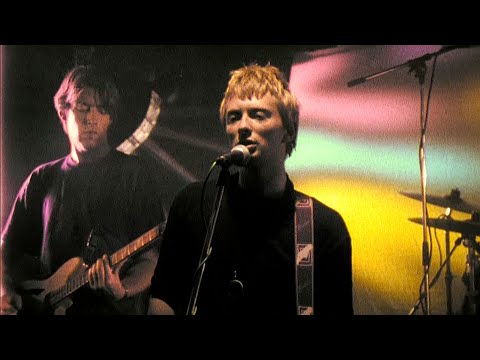
The cultural impact was massive. Kurt Cobain’s Nevermind dethroned Michael Jackson’s Dangerous from the top of the Billboard 200 in January 1992 — a seismic shift that signaled the mainstream public’s hunger for something different. This wasn’t just a musical revolution; it was a lifestyle statement that influenced fashion, attitudes, and even corporate culture.
Key Characteristics of the Grunge Movement
- Distorted, down-tuned guitar tones and raw production aesthetics
- Lyrics centered on existential angst, alienation, and social disillusionment
- A rejection of the glamorized rock star persona in favor of flannel and thrift-store authenticity
- The blending of punk, metal, and indie rock into a cohesive new subgenre
- Independent label roots (Sub Pop Records) that eventually crossed over to major labels
Beyond grunge, the broader alternative rock movement encompassed shoegaze, Britpop, and post-punk revival acts. Radiohead’s Pablo Honey, Blur’s battle with Oasis, and Smashing Pumpkins’ ambitious orchestral rock all proved that audiences craved complexity and experimentation alongside raw energy.
The Golden Age of Hip-Hop
Perhaps no genre evolved faster or more dramatically during the 1990s than hip-hop. The 90s hip-hop evolution and cultural impact is unmatched in modern music history. What began as an underground movement in New York City block parties evolved into the most commercially dominant and culturally influential genre in America — and eventually, the world.
The decade can be roughly divided into distinct eras. The early 90s saw the golden age of lyricism, with artists like Nas, Wu-Tang Clan, A Tribe Called Quest, and The Notorious B.I.G. pushing storytelling and wordplay to new artistic heights. The mid-90s brought the East Coast-West Coast rivalry, which tragically culminated in the deaths of Tupac Shakur and The Notorious B.I.G. but also fueled an incredible burst of creative output.
By the late 90s, Southern hip-hop had emerged as a dominant force. OutKast, UGK, Three 6 Mafia, and the early careers of Lil Wayne and Juvenile introduced syncopated rhythms, bass-heavy production, and regional dialects that permanently expanded hip-hop’s sonic palette. How 90s hip-hop shaped today’s rap is obvious in everything from trap music’s 808-driven beats to the emphasis on lyrical dexterity and storytelling.
Essential Milestones in 90s Hip-Hop
- 1994 — Nas releases Illmatic, widely regarded as one of the greatest hip-hop albums ever produced
- 1995 — Wu-Tang Clan drops Liquid Swords, cementing the Eastern hip-hop sound
- 1996 — Dr. Dre’s 2001 album redefined West Coast production with layered synths and cinematic beats
- 1997 — Lauryn Hill’s The Miseducation blurs the line between hip-hop, soul, and R&B
- 1998 — OutKast’s Aquemini introduces experimental Southern production that influences a generation of producers
Pop Dominance and the Boy Band Era
While alternative rock and hip-hop dominated the cultural conversation, pop music in the 90s reached new levels of polish, ambition, and global reach. How 90s pop music changed the industry is a story of image management, choreographed performance, and the rise of the teen consumer market.
Groups like the Backstreet Boys, *NSYNC, Spice Girls, and TLC didn’t just make hit records — they built global franchises. The Spice Girls alone popularized the concept of “Girl Power” as both a marketing strategy and a genuine cultural movement. Meanwhile, solo artists like Britney Spears, Christina Aguilera, and later Jessica Simpson launched the teen pop machine that would eventually lead to today’s highly managed pop star ecosystem.
On the R&B side, artists like Mariah Carey, Whitney Houston, Boyz II Men, and TLC set vocal standards and crossover appeal benchmarks that remain relevant. The production style of Babyface, Jimmy Jam & Terry Lewis, and Timbaland created lush, layered soundscapes that influenced pop, R&B, and eventually hip-hop production for decades.
Pop vs. Alternative: The Battle for Chart Dominance
| Aspect | Pop (Late 90s) | Alternative Rock (Early-Mid 90s) |
| Production Style | Polished, layered, synth-heavy | Raw, guitar-driven, minimalist |
| Target Audience | Teens and young adults | 18-34, slightly older skew |
| Key Labels | Jive Records, Virgin, Interscope | Sub Pop, DGC, Epic |
| Visual Identity | Music videos, choreography, glamour | Flannel, unkempt hair, live performance |
| Crossover Success | Britney Spears, Backstreet Boys | Nirvana, Pearl Jam, Smashing Pumpkins |
Electronic Music Goes Mainstream

One of the most underappreciated stories of 90s music trends is the explosion of electronic music into the mainstream consciousness. While house music, techno, and rave culture had existed since the late 1980s, the 90s saw these genres cross over from underground clubs to festival stages and even pop radio.
Artists like The Prodigy, Chemical Brothers, and Underworld brought electronic music to massive audiences with their high-energy, sample-driven productions. Meanwhile, acts like Moby — whose album Play (1999) became the first album licensed for every track in commercial use — proved that electronic music could carry emotional weight and mainstream appeal.
The influence of 90s electronic music is most visible today in the dominance of EDM, future bass, and the production techniques built around digital audio workstations that originated in this era. The best 90s music movements and their impact on modern electronic production cannot be overstated — from the use of breakbeats to the integration of vocal samples and synthetic textures.
How 90s Music Trends Shaped Today’s Landscape
The ripple effects of 1990s music are visible in nearly every contemporary genre. Modern indie rock borrows heavily from the alternative and shoegaze traditions. Today’s hip-hop producers sample 90s tracks and emulate the gritty, sample-heavy production styles pioneered by DJ Premier, J Dilla, and Pete Rock. Pop music’s emphasis on vocal hooks and image-driven marketing descends directly from the boy band and teen pop playbook of the late 90s.
Even country music underwent a transformation during this period, with artists like Shania Twain, Garth Brooks, and the Dixie Chicks pushing the genre toward crossover success. Latin music saw a massive surge with the rise of reggaeton precursors and artists like Selena, Gloria Estefan, and Ricky Martin bringing Spanish-language music to global audiences.
Expert Tips for Understanding 90s Music Trends
- Listen beyond the hits. Deep cuts and B-sides often reveal the most innovative production and songwriting of the era.
- Follow the producers. Many 90s trends were driven as much by producers as artists — study names like Timbaland, DJ Premier, Rick Rubin, and Nigel Godrich.
- Consider regional scenes. The South, the Pacific Northwest, the UK, and the Midwest each had distinct sounds that defined the decade differently.
- Watch the technology. The shift from analog tape to digital recording and the rise of the sampler fundamentally changed what was possible in music production.
Conclusion
The 1990s were a decade of extraordinary musical diversity and creative risk-taking. 90s music trends didn’t just reflect the culture of their time — they actively shaped the cultural landscape for generations to come. From the raw honesty of grunge and the lyrical brilliance of golden-age hip-hop to the global reach of pop and the electronic frontier pushing sonic boundaries, the 90s proved that music could be simultaneously underground and mainstream, experimental and accessible, local and global. Understanding these movements isn’t just about nostalgia — it’s about recognizing the DNA of contemporary music and appreciating the artists who dared to push boundaries when the industry was undergoing its own massive transformation.
Frequently Asked Questions
What defined 90s music trends that shaped a generation?
The defining characteristics of 90s music trends include genre fragmentation, the rise of alternative rock and grunge, hip-hop’s commercial explosion, the teen pop machine, and the mainstream adoption of electronic music. This was an era where independent labels achieved major-label crossover success and where regional sounds from the Pacific Northwest to the American South gained national and international recognition. The decade prioritized authenticity, raw production aesthetics, and cultural commentary, which collectively shaped a generation’s musical identity that persists today.
How did 90s music influence modern genres?
The influence runs deep across virtually every contemporary genre. Modern rock and indie music draw directly from alternative rock’s guitar-driven aesthetics and lyrical introspection. Today’s hip-hop owes its production techniques — especially sample-based composition and boom-bap rhythms — to 90s pioneers. Pop’s emphasis on vocal hooks and image-driven marketing descends from the boy band and teen pop era. Even EDM’s current mainstream dominance traces back to the rave and electronic music movements that exploded during the 90s, making this decade arguably the most influential period in modern popular music.
Why does 90s alternative rock still matter to today’s listeners?
Alternative rock from the 90s remains relevant because it prioritized emotional honesty and artistic authenticity over commercial polish — qualities that resonate powerfully in today’s oversaturated music landscape. Modern bands like Arctic Monkeys, Radiohead’s contemporary successors, and the broader indie rock movement continue to draw from the sonic templates and attitude established by Nirvana, Radiohead, Pixies, and their peers. The decade’s willingness to challenge mainstream conventions also provides a blueprint for independent artists seeking to break through without compromising their creative vision.

What was the biggest cultural shift in 90s music production?
The most significant production shift was the transition from analog to digital technology. The widespread adoption of digital audio workstations, affordable samplers like the Akai MPC, and early software-based production tools democratized music creation in ways that had never existed before. This allowed bedroom producers to create professional-sounding tracks, fueled the sample-heavy aesthetic of hip-hop and electronic music, and ultimately laid the groundwork for the modern DIY music production ecosystem that exists today.
How did the 90s music industry differ from today’s streaming model?
The 90s music industry operated primarily on physical sales — CDs, cassettes, and vinyl — with radio airplay and MTV rotation serving as the primary discovery mechanisms. Albums were the central unit of consumption, encouraging artists to create longer, more cohesive bodies of work. Marketing was driven by retail chains, radio promotion, and music press coverage. Today’s streaming model prioritizes singles and playlist placement, which represents a fundamental shift in how music is consumed, promoted, and monetized — a contrast that highlights how dramatically the industry has transformed since the decade when CDs outsold everything else in retail.