


The year 2020 reshaped the music industry in ways few could have predicted. From the global pandemic shutting down live venues to social media platforms becoming the primary engine of music discovery, the 2020 music trends reflected a world in upheaval. Artists adapted, fans shifted how they consumed music, and entire genres surged to prominence almost overnight. Whether you are a casual listener curious about what defined the year in sound or a music professional studying industry shifts, this deep dive covers the most significant 2020 music trends with expert context and actionable insight.
The Rise of Streaming and How It Defined 2020
Streaming platforms like Spotify, Apple Music, and Amazon Music continued their dominance throughout 2020, but the way people engaged with music changed dramatically. With lockdowns keeping millions at home, daily listening hours skyrocketed across all demographics. This shift did more than increase numbers — it altered which songs broke through and how artists marketed themselves.
Playlist Culture Dominance
Curated playlists became the single most powerful tool for music discovery in 2020. A placement on Spotify’s RapCaviar or Apple Music’s A-List could catapult an unknown track into global circulation within days. Artists began engineering songs specifically for playlist placement, favoring tracks with strong hooks in the first 30 seconds and shorter overall runtimes optimized for the listening habits of the platform era.
- Spotify reported a 30% increase in daily listening hours during peak lockdown months
- Apple Music expanded its editorial playlist catalog to over 10,000 curated lists
- Independent artists saw a disproportionate surge in streams through algorithmic recommendations
For aspiring musicians, the takeaway was clear: understanding playlist algorithms and platform-specific metadata became as important as songwriting itself.
TikTok’s Explosive Impact on Music Discovery
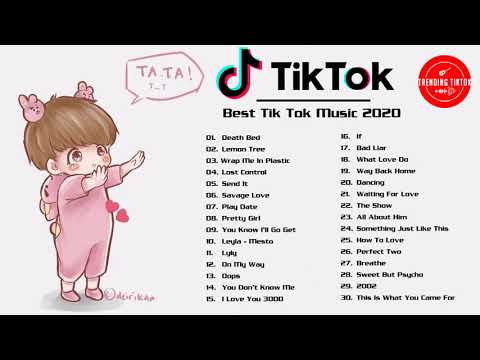
Perhaps no other force influenced 2020 music trends more than TikTok. The short-form video platform transformed from a lip-sync app into the most powerful music marketing channel on the planet. Songs that went viral on TikTok often bypassed traditional radio promotion entirely, climbing straight to the top of the Billboard Hot 100 based purely on social momentum.
Viral Hits That Defined the Year
Several tracks became emblematic of TikTok-driven success in 2020:
- “Say So” by Doja Cat — originally a deep cut that resurfaced through countless dance videos before reaching number one on the Billboard Hot 100
- “Old Town Road” by Lil Nas X — though it began its run in late 2019, its dominance carried deep into 2020 and became a case study in viral music marketing
- “Savage” by Megan Thee Stallion — a TikTok dance challenge turned a hit song into a cultural moment and a remix with Beyoncé
- “Blinding Lights” by The Weeknd — gained renewed popularity on the platform, contributing to it becoming one of the longest-charting singles in Billboard history
The pattern was unmistakable: a short, catchy hook combined with a visual trend could generate millions of streams almost instantly. This redefined what the 2020 music trends landscape looked like, proving that traditional gatekeepers no longer held all the cards.
Latin Music and K-Pop: The Global Sound Explosion
Two genre movements dominated the global charts in 2020, each representing a broader shift toward international music consumption. Latin music and K-Pop weren’t just trending — they were fundamentally reshaping the mainstream music industry’s understanding of what audiences wanted.
Latin Music’s Global Breakthrough
Reggaetón and Latin trap continued their meteoric rise. Artists like Bad Bunny became household names worldwide, proving that Spanish-language music could compete for mainstream attention without translation or compromise. Bad Bunny’s album YHLQMDLG debuted at number two on the Billboard 200 — the highest-charting all-Spanish-language album in the chart’s history at the time. J Balvin, Rosalía, and Karol G also dominated global streaming numbers, signaling that Latin music was no longer a niche market but a dominant commercial force.

K-Pop’s Sustained Global Dominance
BTS and BLACKPINK continued their unprecedented global runs in 2020. BTS’s Map of the Soul: 7 sold over 4 million copies in its first week, and the group became the first K-Pop act to headline major Western festivals. The genre’s success in 2020 demonstrated that fandom-driven music consumption — organized through platforms like Weverse and V Live — could rival traditional marketing infrastructure.

| Metric | Latin Music (2020) | K-Pop (2020) |
| Global Streaming Growth | ~45% year-over-year increase | ~35% year-over-year increase |
| Billboard Hot 100 Entries | Multiple top 10 debuts (Bad Bunny, J Balvin) | BTS chart-topping singles; consistent top 20 entries |
| Live Streamed Concerts | Bad Bunny’s virtual concert drew 3 million viewers | BTS’s online concert attracted over 750,000 live attendees |
| Collaboration with Western Artists | J Balvin with Beyoncé; Rosalía with Travis Scott | BTS with Snoop Dogg; BLACKPINK with Selena Gomez |
| Social Media Engagement | Massive TikTok presence for reggaetón trends | ARMY fandom driving coordinated engagement campaigns |
Lo-Fi Beats and the Pandemic Soundtrack
One of the most unexpected 2020 music trends was the explosion of lo-fi hip-hop and ambient music. As anxiety and uncertainty gripped the world, millions of listeners turned to calming, repetitive soundscapes for comfort. YouTube channels like Lo-fi Beats to Study/Relax To surpassed billions of views, and Spotify’s lo-fi playlists experienced unprecedented growth.
This wasn’t just a passing fad. The demand for background music optimized for focus, relaxation, and sleep created an entirely new subcategory of music consumption. Producers who specialized in minimalist beats found themselves with massive audiences practically overnight, proving that the pandemic era demanded a different kind of sonic experience — one that soothed rather than energized.
Expert Tip: If you are exploring music production in the lo-fi space, focus on warm analog textures, subtle vinyl crackle, and minimal vocal sampling. The audience for this genre values authenticity and atmosphere over complexity.
How 2020 Music Trends Compared to Previous Years
Understanding 2020 in context requires a quick comparison with the pre-pandemic music landscape. The table below highlights the major shifts.
| Factor | 2019 Norms | 2020 Shifts |
| Primary Discovery Channel | Radio and streaming playlists | TikTok and social media virality |
| Live Events | Festival and tour-driven revenue | Virtual concerts and livestreamed performances |
| Genre Diversity at #1 | Hip-hop and pop dominated | Latin, K-Pop, and genre-blending tracks charted globally |
| Song Length Trends | Average track length ~3:30 | Shorter tracks (~2:45-3:10) optimized for playlists and TikTok |
| Artist Marketing Strategy | Traditional PR and label campaigns | Direct-to-fan social media engagement and viral challenges |
Whether you are an artist, marketer, or dedicated listener, the 2020 music trends offer several actionable lessons:
- Prioritize short-form content strategy. If you are an artist, creating 15-to-60-second clips designed for TikTok or Reels is no longer optional — it is essential for discovery.
- Optimize metadata for algorithmic playlists. Use accurate genre tags, mood descriptors, and relevant keywords so streaming platforms can place your music in the right context.
- Embrace genre fluidity. The most successful tracks of 2020 blended multiple genres. Experimentation across Latin rhythms, trap production, pop melodies, and R&B textures opened doors that strict genre adherence did not.
- Build a direct connection with fans. Platforms like Discord, Twitch, and private fan communities became critical touchpoints when traditional touring was impossible.
- Invest in lo-fi and ambient content if relevant. The pandemic-era demand for focus and relaxation music created sustainable revenue streams for producers in this space.
Conclusion
The 2020 music trends tell a story of adaptation, democratization, and global connectivity. Streaming became deeper, social platforms became more powerful, and the barriers between regional sounds and global audiences dissolved faster than ever before. From the pandemic-fueled embrace of lo-fi beats to TikTok-driven viral breakthroughs and the unstoppable rise of Latin and K-Pop, 2020 fundamentally changed how the world discovers, consumes, and connects with music. These shifts didn’t just define a single year — they established patterns that continue to shape the industry today.
FAQs About 2020 Music Trends
What were the biggest 2020 music trends that influenced mainstream charts?
The biggest 2020 music trends that influenced mainstream charts included TikTok-driven viral hits, the explosive global rise of Latin music and reggaetón, K-Pop’s sustained dominance through acts like BTS, and the shift toward shorter song formats optimized for streaming playlists and social media platforms.
How did the COVID-19 pandemic change music consumption habits in 2020?
The pandemic drove a massive increase in daily streaming hours as people spent more time at home. Live events shifted to virtual formats, lo-fi and ambient music consumption surged for comfort and focus, and social media platforms like TikTok became the primary engine of music discovery, often bypassing traditional radio promotion entirely.
Which artists benefited the most from 2020’s shift toward social media music discovery?
Artists who benefited the most from 2020’s social media-driven discovery include Doja Cat, whose “Say So” went viral on TikTok before reaching number one, Lil Nas X with “Old Town Road,” Megan Thee Stallion with “Savage,” and Bad Bunny, whose Latin music crossed over into mainstream global charts through organic social media momentum.
Why did lo-fi music become so popular during 2020?
Lo-fi music became popular during 2020 because the global pandemic created widespread anxiety and a need for calming, repetitive soundscapes. People working from home, studying remotely, or simply seeking comfort turned to lo-fi hip-hop and ambient beats as a form of emotional regulation, driving billions of streams on platforms like YouTube and Spotify.
What role did playlist culture play in the 2020 music trends landscape?
Playlist culture became arguably the most important factor in the 2020 music trends landscape. Curated editorial playlists and algorithmic recommendations on Spotify and Apple Music became the primary way listeners discovered new music, effectively replacing radio as the dominant gatekeeper for chart success and artist visibility.