


The Hitchhiker’s Guide to the Galaxy genre occupies one of the most uniquely entertaining corners of the science fiction universe. Born from the brilliant mind of Douglas Adams, this category of humorous science fiction blends absurdist comedy, biting social commentary, and interstellar adventure into a reading experience that feels simultaneously cosmic and deeply human. Whether you are a longtime fan of the original BBC Radio broadcasts or a curious newcomer scanning for your next page-turner, understanding this genre opens the door to some of the most inventive and laugh-out-loud literature ever written. This guide breaks down everything from core genre traits to practical reading recommendations so you can navigate this wonderfully strange literary galaxy with confidence.
What Exactly Is the Hitchhiker’s Guide to the Galaxy Genre?
Defining the Sci-Fi Comedy Subgenre
At its core, the Hitchhiker’s Guide to the Galaxy genre is a branch of science fiction comedy that prioritizes wit, satire, and philosophical absurdity alongside speculative world-building. It differs from traditional hard science fiction because the technology, alien civilizations, and galactic politics serve primarily as vehicles for humor and social critique rather than as ends in themselves. Think of it as the literary equivalent of a physicist who has completely lost his mind but makes you laugh while he does it.
The genre draws heavily from absurdist fiction, British dry humor, and satirical speculative fiction. Stories within this classification tend to feature protagonists who are wildly unprepared for the absurdity of the universe around them, much like Arthur Dent stumbling onto the day Earth is demolished for a hyperspace bypass. The tone walks a razor-thin line between lighthearted farce and genuinely provocative existential questioning.
The DNA of Douglas Adams’ Style
Douglas Adams essentially codified this genre through The Hitchhiker’s Guide to the Galaxy trilogy (later expanded to five books). His signature stylistic fingerprints appear throughout the genre and include:
- Run-on philosophical tangents that start with a throwaway joke and spiral into surprisingly profound observations about consciousness and meaning.
- Technobabble with comedic intent, where machines and alien technologies are described in absurdly specific yet completely nonsensical detail.
- Deadpan delivery, where catastrophic events are narrated with the same emotional register as ordering a cup of tea.
- Meta-fictional awareness, where the narrative itself occasionally comments on the absurdity of storytelling conventions.
- Character archetypes built on irony, such as a two-headed president who is simultaneously the most and least competent leader imaginable.
Key Characteristics That Define This Genre
If you are trying to identify whether a book belongs to the Hitchhiker’s Guide to the Galaxy genre family, watch for these distinguishing markers:
- Humor as a primary narrative engine. The jokes are not decorative; they drive plot and character development. Without the comedy, the story essentially collapses.
- Galactic-scale settings with intimate emotional stakes. The universe is enormous and chaotic, but the characters care about small, relatable things like friendship, identity, and finding a decent meal.
- Subversion of science fiction tropes. Tropes like “chosen one” narratives, hostile alien invasions, and dystopian governments are routinely flipped on their heads or treated as mildly inconvenient.
- Irreverence toward authority and bureaucracy. Whether it is galactic presidents or bureaucratic committees, power structures are consistently portrayed as absurd or hilariously incompetent.
- Philosophical underpinnings disguised as comedy. Beneath every joke, there is often a genuine question about free will, the nature of existence, or why humans insist on building infrastructure that does not work.
Comparing the Genre to Related Science Fiction Categories
Understanding where the Hitchhiker’s Guide genre sits within the broader science fiction landscape helps clarify its boundaries. The following comparison table highlights key distinctions:

| Genre Category | Primary Tone | Typical Focus | Humor Level |
| Hard Science Fiction | Serious, analytical | Scientific accuracy, technology | Minimal |
| Space Opera | Epic, dramatic | Grand battles, galactic politics | Variable |
| Hitchhiker’s Guide Genre | Absurdist, witty | Satire, philosophical comedy | Very High |
| Cyberpunk | Dark, gritty | Corporate dystopia, technology society | Low to Moderate |
| Military Science Fiction | Action-driven, serious | War, strategy, futuristic combat | Low |
| New Wave Sci-Fi | Experimental, literary | Social themes, stylistic innovation | Moderate |
Where the Genre Overlaps with New Wave and Satirical Fiction
The genre shares significant DNA with the New Wave science fiction movement of the 1960s and 70s, which embraced literary experimentation and rejected rigid scientific predictability. Authors like Terry Pratchett (who openly acknowledged Adams’ influence), Jasper Fforde, and even Neil Gaiman (a close friend of Adams) have all produced works that live comfortably within or adjacent to this comedic sci-fi taxonomy. The overlap with satirical fiction is equally strong, as many works in this genre use alien civilizations and futuristic technology as mirrors reflecting humanity’s most ridiculous habits back at itself.
The Origins and Cultural Evolution of the Genre
From BBC Radio to International Phenomenon
The genre officially launched in 1978 as a BBC Radio 4 series. Douglas Adams had been working on the concept for several years, drawing inspiration from a stay in a hostel in Islington where he glanced at a copy of the Hitch-hiker’s Guide to Europe and thought, “What if it were galactic?” The radio format allowed Adams to experiment with sound design, comedic timing, and narrative structure in ways that directly shaped the genre’s identity.
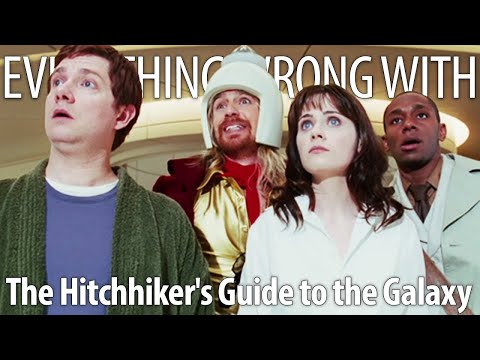
The subsequent book publications, beginning in 1979 with the novelization of the first radio episodes, cemented the genre’s principles. The franchise expanded to include a television adaptation in 1981, a comic book series, a stage production, and eventually a 2005 film adaptation directed by Garth Jennings. Each iteration reinforced and slightly expanded the genre’s conventions.
Influence on Modern Media and Pop Culture
The genre’s fingerprints appear everywhere in contemporary media. Marvel’s Guardians of the Galaxy films lean heavily into comedic cosmic adventure. Rick and Morty is essentially a direct descendant of Adams’ tonal approach. The video game The Outer Wilds channels the same blend of cosmic wonder and dry humor. Even mainstream science fiction franchises like Star Trek have acknowledged that Adams’ work influenced their willingness to take creative comedic risks.
Must-Read Works Within the Hitchhiker’s Guide to the Galaxy Genre
Building a reading list in this genre requires balancing Adams’ foundational works with worthy successors and kindred spirits. Here are tiered recommendations for every experience level:

For Beginners
- The Hitchhiker’s Guide to the Galaxy by Douglas Adams — The obvious starting point. Start with the book or the original radio series, both of which are highly accessible.
- Good News From Outer Space by John Kessel — A lighter introduction to comedic science fiction themes.
For Intermediate Readers
- Life, the Universe and Everything by Douglas Adams — Book three in the quintology, widely considered the comedic peak.
- Good Omens by Terry Pratchett and Neil Gaiman — A masterpiece of absurdist fiction sitting comfortably within the genre’s broader family.
- The Long Way to a Small, Angry Planet by Becky Chambers — A warmer, character-driven take on comedic space adventure.
For Advanced Fans
- Mostly Harmless by Douglas Adams — The controversial fifth book that deconstructs the series itself with ruthless meta-humor.
- Dirge for the Planet of the Dead and other short stories by Adams — Posthumously published works that reveal Adams’ creative process at its sharpest.
- Inside Outside, Upside Down: A Hitchhiker’s Companion by M.J. Simpson — A deep analytical dive for those studying the genre academically.
Why the Hitchhiker’s Guide Genre Still Matters
In an era where science fiction is often treated with grim seriousness by major studios, the Hitchhiker’s Guide to the Galaxy genre offers something increasingly rare: permission to laugh at the cosmos. Adams argued that the universe’s absurdity should make you chuckle rather than despair, and that philosophy remains radical. The genre champions intellectual curiosity without pretension, encouraging readers to question everything while recognizing how ridiculous the questioning itself can be.
This genre also models a specific kind of empathy. Characters like Marvin the Paranoid Android, who suffers from chronic existential depression, or Ford Prefect, who hides profound loneliness behind cheerful social commentary, demonstrate that comedic exterior does not mean emotional emptiness. The humor is how these characters survive.
Expert Tips for Exploring the Genre
- Start with the original radio broadcasts if you can. The comedic timing and sound design are integral to the experience. The BBC radio collection remains widely available through streaming platforms.
- Do not skip the philosophical tangents. Adams’ meandering monologues about the meaning of life are the genre’s secret weapon. Trust the narrator even when he seems to be wandering.
- Pair Adams with Pratchett for maximum effect. Reading Good Omens after the Hitchhiker’s books creates a satisfying tonal bridge between Adams’ cosmic absurdity and Pratchett’s ground-level satirical fantasy.
- Read the unfilmed sixth book concept. Adams’ proposed trilogy ending, later completed by Eoin Colfer as And Another Thing…, offers a different perspective on how the genre can evolve while honoring its roots.
- Pay attention to British cultural satire. Much of the genre’s humor targets British bureaucratic culture, class systems, and dry understatement. Understanding these context layers deepens appreciation enormously.
Frequently Asked Questions
What makes the Hitchhiker’s Guide to the Galaxy genre different from regular science fiction?
The primary distinction is that comedy and satire serve as the genre’s driving forces rather than secondary elements. While traditional science fiction often treats humor as incidental, this genre builds its entire narrative architecture around wit, absurdity, and philosophical irreverence. The science fiction elements exist primarily as frameworks for comedic and satirical exploration.
Is the Hitchhiker’s Guide to the Galaxy genre suitable for young readers?
The original books are generally appropriate for readers aged twelve and up, though the humor relies heavily on British cultural references and dry observational comedy that resonates more strongly with adult readers. The radio dramatizations are slightly more accessible to younger audiences due to their theatrical presentation style.
Key literary descendants include Terry Pratchett, Neil Gaiman, Jasper Fforde, John Scalzi, and Becky Chambers. Each adapts the comedic science fiction template to different thematic concerns, from Pratchett’s Discworld satire to Chambers’ optimistic space opera warmth.
How many books are in the Hitchhiker’s Guide to the Galaxy series?
The original “trilogy” consists of five books: The Hitchhiker’s Guide to the Galaxy, The Restaurant at the End of the Universe, Life, the Universe and Everything, So Long, and Thanks for All the Fish, and Mostly Harmless. A sixth book, And Another Thing…, was later authorized by Adams’ estate and written by Eoin Colfer.
Can the genre be experienced through formats other than books?
Absolutely. The BBC Radio series remains the most complete audio experience, while the 2005 film adaptation offers a visual interpretation. Additionally, the genre has inspired video games, stage productions, and comic book adaptations that all capture different aspects of its comedic science fiction identity.
What is the best entry point for someone completely new to this genre?
The original Hitchhiker’s Guide to the Galaxy novel is the most straightforward entry point. If you prefer audio, the first three radio episodes collectively adapt the novel’s core story with exceptional production quality. Either format will give you an immediate sense of whether this genre aligns with your reading preferences.
Final Thoughts
The Hitchhiker’s Guide to the Galaxy genre remains one of the most joyful and intellectually stimulating niches in all of speculative fiction. It refuses to choose between brains and laughter, between cosmic wonder and dry British understatement, between philosophical depth and sheer entertainment. Whether you are picking up the series for the first time or returning for another read-through, the universe Adams built continues to reward curiosity, patience, and a willingness to laugh at the void. The Guide’s most famous piece of advice — DON’T PANIC — is not just a tagline. It is the genre’s entire worldview, offered with a knowing smile and an open invitation to explore the madness together.