If you have ever picked up a guitar and stared at a grid of lines and dots wondering what on earth those symbols mean, you are not alone. A chord chart guitar is one of the most universal tools a guitarist can own, whether you are strumming your first open C major or navigating complex jazz voicings on a Saturday night gig. Unlike traditional sheet music, which demands deep knowledge of music theory and notation, a guitar chord chart strips the complexity down to a visual map your fingers can follow almost instantly. This guide covers everything you need to know about reading, using, and mastering chord charts — from absolute beginner fundamentals to advanced techniques that will transform how you approach the instrument. Whether you are looking for the best chord chart apps, trying to decode symbols like “X” and “O” on a grid, or searching for strategies to memorize chord shapes faster, this article delivers expert-level insight in a format that is easy to digest and put into practice right away.
What Is a Chord Chart for Guitar?
A chord chart, also known as a chord diagram or chord grid, is a simplified visual representation of a guitar chord. It shows you exactly where to place your fingers on the fretboard to produce a specific chord. Unlike full tablature or standard notation, a chord chart focuses solely on the shape of the chord, making it one of the fastest ways to learn new songs and progressions. You will encounter chord charts everywhere — in songbooks, guitar magazines, YouTube tutorials, and digital apps like Ultimate Guitar, Chordify, and Songsterr. They are the backbone of informal music learning and remain indispensable even for seasoned professionals who use them as quick reference tools during rehearsals and live performances.

Anatomy of a Guitar Chord Chart
Understanding the basic anatomy of a chord chart is the single most important step toward fluency. A standard chord grid consists of six vertical lines representing the guitar strings (low E on the left, high e on the right) and horizontal lines representing the frets. The top horizontal line usually represents either the nut of the guitar or a specific fret, which is often indicated by a number to the right of the diagram. Here is what the other elements mean:
- Dots: These indicate where you place your fingers on specific strings and frets.
- Numbers inside dots: These tell you which finger to use — 1 is index, 2 is middle, 3 is ring, and 4 is pinky.
- X above a string: This means do not play that string.
- O above a string: This means play the string open (without pressing any fret).
- A barre line or shaded box: This indicates you are pressing multiple strings with one finger, typically the index finger laid flat across the fretboard.
How to Read Guitar Chord Charts Like a Pro
Reading a chord chart correctly comes down to a simple three-step process that becomes second nature with practice. First, orient yourself on the grid by identifying the nut position and the strings. Second, look at which strings are marked with dots, Xs, or Os to understand which strings should sound and which should be muted or skipped. Third, translate the dots into finger placements, using the numbered finger indicators as your guide. A common mistake beginners make is playing a chord shape upside down or confusing the low E string side with the high e string side. Always double-check your orientation before you strum.
For intermediate players, learning to read chord charts in multiple positions across the neck is the next logical step. Many songs require you to play the same chord in different positions to achieve a specific tone or voice leading. For example, a G major chord played at the open position sounds bright and resonant, while the same chord played at the seventh fret using a barre shape produces a tighter, more controlled tone. Being comfortable reading chord charts in any position dramatically expands your versatility as a guitarist.
Common Chord Chart Symbols and Notations Explained
Beyond the basic dots and lines, chord charts include a variety of symbols that can confuse newcomers. Here are the most frequently encountered notations you will see in any guitar chord chart resource:
- M or maj: Major chord (happy, bright sound).
- m or min: Minor chord (sad, moody quality).
- 7: Dominant seventh chord, adding a jazzy or bluesy tension.
- dim: Diminished chord, creating a tense, unstable sound.
- aug: Augmented chord, producing a raised, dreamy quality.
- sus2 / sus4: Suspended chords that replace the third with either the second or fourth scale degree.
- add9: Adds the ninth note to the chord for a richer, more open sound.
- slash chords (e.g., C/G): Indicates a chord with a bass note different from the root.
Once you internalize these symbols, you will be able to glance at almost any chord chart and immediately understand the harmonic function of each chord in a progression. This is especially valuable when you are learning songs by ear or collaborating with other musicians who share charts rather than written music.

Best Chord Chart Apps and Resources for Guitarists
The digital age has made chord charts more accessible than ever. Here are some of the best resources available right now:
- Ultimate Guitar (App & Website): The largest community-driven library of chord charts, tabs, and lyrics with over a million songs.
- Chordify: Automatically detects chords from audio tracks and generates interactive chord charts in real time.
- Songsterr: Offers interactive tablature and chord charts with synchronized playback.
- Guitar Tricks: Provides structured lessons that teach you how to read and apply chord charts systematically.
- Guitar Pro: A professional-grade software for viewing chord charts, tabs, and full scores with playback features.
For those who prefer printed materials, physical songbooks from publishers like Hal Leonard and Mel Bay remain excellent resources. They often include chord charts alongside lyrics, making them ideal for casual playing, campfire sessions, and quick practice sessions.
Chord Chart Guitar for Beginners vs. Intermediate Players
The way you use a guitar chord chart changes significantly as your skill level grows. Beginners benefit most from simple open-position charts that focus on fundamental chord shapes, while intermediate players start working with barre chords, extended harmonies, and chord progressions that move across the neck.

Essential Open Chords Every Beginner Should Master
Start with these foundational open chords that appear in countless songs across every genre:
- C major
- G major
- D major
- A major
- E major
- Am (A minor)
- Em (E minor)
- Dm (D minor)
These eight chords alone unlock access to thousands of popular songs. Practice transitioning between them slowly, using a metronome set to 60 BPM, and gradually increase the tempo as your muscle memory develops.
Moving to Barre Chords and Advanced Chord Voicings
Once you are comfortable with open chords, the next milestone is mastering barre chords. These shapes use your index finger to press down all six strings across a single fret, creating movable chord shapes that can be played anywhere on the neck. The two essential barre chord shapes are the E-shape (rooted on the low E string) and the A-shape (rooted on the A string). Being able to read a barre chord chart and execute it cleanly is what separates casual strummers from serious guitarists who can play in any key.
Practical Tips for Memorizing and Using Chord Charts Effectively
- Focus on one chord at a time: Do not try to learn five new chords in a single session. Master one shape, switch to it smoothly, and then move on.
- Use the “finger-down” method: Place all fingers simultaneously rather than one at a time to build accuracy faster.
- Practice chord transitions: The real challenge of reading chord charts is not forming individual shapes but switching between them in rhythm.
- Sing while you play: Pairing a chord chart with a vocal melody reinforces the connection between the visual map and the actual sound of the music.
- Draw your own charts: Sketching chord diagrams by hand strengthens your visual memory and deepens your understanding of chord structure.
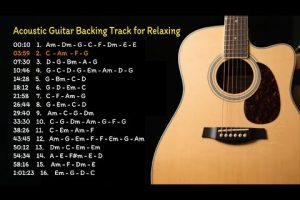
- Use a chord chart alongside a backing track: Playing along with a backing track in the key of the chord progression makes practice feel like real music, not just exercise.
Comparison Table: Chord Chart Formats
| Format | Best For | Pros | Cons |
| Standard Grid Diagram | Beginners, songbooks | Visual, intuitive, universally understood | Does not show rhythm or strumming patterns |
| Nashville Number System | Session musicians, country, pop | Portable, key-independent, communicates quickly | Requires understanding of music theory basics |
| Interactive App Charts | Self-taught players, on-the-go learning | Audio playback, transposition, large libraries | Screen dependency, some apps require subscriptions |
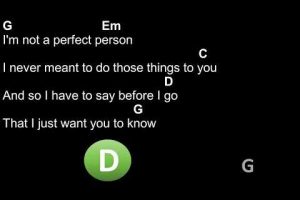
| Lyric Charts with Chords | Casual players, campfire sessions | Simple, song-context, easy to follow | Lacks detailed fingering guidance |
| Full Lead Sheets | Intermediate to advanced players | Combines chords with melody and harmony | Requires stronger music reading skills |
Frequently Asked Questions
What is the easiest way to read a guitar chord chart for absolute beginners? Start by focusing on the open position charts for C, G, D, Em, and Am. Ignore barre chords and complex symbols at first. Spend two weeks playing only these five chords, switching between them in a slow, steady rhythm, and you will build the foundational pattern recognition needed to tackle more advanced charts confidently.
How long does it take to learn to read guitar chord charts fluently? Most dedicated beginners can achieve basic fluency within two to four weeks of consistent daily practice. If you practice for at least 15 to 20 minutes per day, focusing on reading and executing chord shapes, you will notice significant improvement within the first month.
Can chord charts be used for fingerpicking patterns as well? While traditional chord charts do not indicate picking patterns, many modern resources include suggested strumming or fingerpicking patterns beneath the grid. For pure fingerstyle arrangements, you will need to supplement chord charts with notation or tablature that shows individual string selections.
What is the difference between a chord chart and a guitar tablature? A chord chart shows you a chord shape at a specific point in time, while guitar tablature shows you exactly which strings and frets to play in sequence, often including rhythm and timing. Chord charts are best for learning chord progressions, while tabs are better for learning specific riffs, solos, and melodic lines.
Are there chord charts specifically designed for acoustic guitar vs. electric guitar? The chord charts themselves are identical for both instruments — the same shapes and positions apply. The difference lies in the sound, tone, and sometimes the preferred voicings. Acoustic players often favor open chords and open tunings, while electric guitarists frequently use barre chords, extended jazz voicings, and power chords that are represented the same way on any chord chart.
Do I need to know music theory to use a guitar chord chart effectively? No. One of the greatest strengths of a chord chart is that it is designed to be theory-free. You can become a highly competent guitarist by reading and playing chord charts without ever understanding terms like “intervals,” “scale degrees,” or “harmonic function.” However, a basic understanding of theory will accelerate your ability to transpose chords, improvise, and compose original music.
Conclusion
The guitar chord chart remains one of the most powerful and accessible learning tools in all of music education. Whether you are a complete beginner decoding your first open C major, an intermediate player working through jazz chord extensions, or an advanced guitarist collaborating on stage with a Nashville number chart, the ability to read and interpret these visual guides is a skill that pays dividends for the entire lifetime of your musicianship. Invest the time to understand the anatomy of each chart, practice chord transitions deliberately, and leverage modern digital resources to accelerate your progress. The fretboard will quickly start making sense, and the music you create will reflect the confidence that comes from true fluency. Keep practicing, stay curious, and let the chord chart be your roadmap to playing the songs you love.