


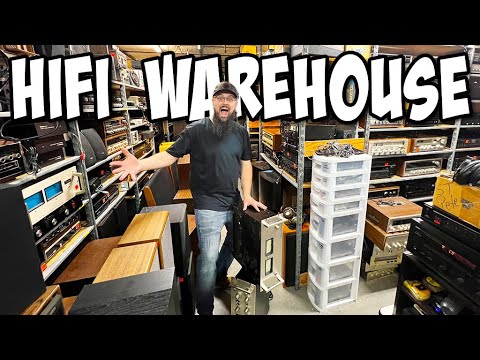
If you are an audiophile or a casual listener looking to elevate your home audio setup without breaking the bank, second hand stereo equipment is one of the most rewarding avenues you can explore. Whether you are hunting for a classic Marantz amplifier, a pristine pair of Klipsch towers, or a vintage Denon receiver, the used audio market offers access to craftsmanship, sound quality, and engineering that modern budget gear often struggles to replicate. In this comprehensive guide, we will walk you through everything you need to know about buying pre-owned stereo equipment—from understanding what is out there, to evaluating condition, to finding the best deals and avoiding costly mistakes.
What Is Second Hand Stereo Equipment?
Second hand stereo equipment refers to any audio component—amplifiers, receivers, speakers, turntables, CD players, and processors—that has been previously owned and is being resold. This category spans everything from recent models that have been lightly used to vintage gear produced decades ago. The term used stereo gear is often used interchangeably, but it broadly covers the same marketplace of pre-owned audio components. Unlike disposable consumer electronics, many stereo components were built with durable materials, modular designs, and repairable architectures, making them exceptionally well-suited for a second life.
The appeal lies not just in affordability but in the engineering philosophy behind older audio gear. Manufacturers from the 1970s through the 1990s frequently used higher-quality capacitors, larger transformers, and heavier-gauge circuitry in their products. This is why many audiophiles argue that a well-maintained vintage stereo system can outperform a brand-new entry-level model costing twice as much.
Why Buying Used Stereo Gear Is a Smart Move
Cost Savings and Exceptional Value
The most obvious advantage of purchasing second hand stereo equipment is the price advantage. You can often acquire a component at 40 to 70 percent below its original retail price. This savings allows you to invest in higher-tier brands or models that would be out of reach when buying new. For example, a used Marantz Model 2385 classic amplifier might cost a fraction of what a comparable new integrated amp would run, yet deliver a warmer, more musical sound signature that enthusiasts prize.
Access to Vintage and Discontinued Models
Many legendary stereo components are no longer in production. Brands like Pioneer, Sansui, Cambridge Audio (older models), NAD, and Rotel produced gear that has since been discontinued or significantly redesigned. When you buy second hand, you gain access to these cult classic audio components that have developed passionate followings over the years. The character and sonic signature of vintage gear often cannot be replicated with modern digital designs.
Environmental and Sustainable Benefits
Buying pre-owned audio equipment is also an environmentally conscious choice. Reusing functional electronics reduces electronic waste and the demand for new manufacturing resources. For the sustainability-minded listener, eco-friendly audio upgrades through the second hand market align perfectly with responsible consumption habits.

Types of Second Hand Stereo Equipment Available

The used stereo market is vast and varied. Here are the primary categories you will encounter:
- Integrated Amplifiers: Combine preamplifier and power amplifier in one unit, making them the backbone of most stereo setups. Popular used brands include Marantz, Pioneer SX series, and Sansui AU series.
- Separates (Preamplifier and Power Amplifier): Offering modular flexibility, separates allow you to mix and match components from different manufacturers for a fully customized system.
- Stereo Receivers: Combine amplification with a built-in radio tuner. Vintage FM/AM receivers from the 1980s and early 1990s are highly sought after.
- Speakers and Bookshelves: Floor-standing towers and compact bookshelf speakers from brands like Klipsch, Bose, JBL, and B&W hold their value remarkably well in the used market.
- Source Components: Turntables, CD players, cassette decks, and tuners that serve as your music input devices.
- Audio Processors and DACs: External digital-to-analog converters and surround processors for more advanced setups.
How to Evaluate Used Stereo Equipment Before Buying
Buying pre-owned audio gear requires a bit of due diligence. Here is a step-by-step approach to ensure you make a confident purchase:
- Inspect the Physical Condition: Look for cracks in the cabinet, rust on connectors, loose knobs, or faded labels. Cosmetic damage is usually cosmetic, but structural issues can indicate deeper problems.
- Check the Power Cord and Plug: Frayed or damaged power cords are a safety hazard and may require replacement before use.
- Test All Channels and Inputs: If buying in person, play music through every input and verify that both left and right channels are working evenly. Listen for buzzing, crackling, or intermittent sound.
- Examine the Tubes (If Applicable): Tube amplifiers require special attention. Look for darkened or cracked vacuum tubes, which signal they need replacement.
- Research the Market Value: Use platforms like eBay sold listings, Reverb, Audiogon, and Facebook Marketplace audio groups to establish a fair pre-owned stereo equipment price for the model you are considering.
- Ask About Service History: A seller who can confirm that the unit has been serviced, recapped, or cleaned is offering a more reliable product.
Top Brands and Models to Look For in the Used Market
Not all stereo equipment ages equally. Some brands and models have earned legendary reputations for longevity and sound quality:
- Marantz – Known for warm, musical amplification. Models like the 2270, 2385, and late-model AV receivers are highly collectible.
- Pioneer SX Series – The SX-1280 and SX-1980 are benchmark receivers that audiophiles still chase decades later.
- Sansui – The AU-7500 and AU-9900 were powerhouse integrated amps with exceptional build quality.
- Klipsch – Heritage speakers like the Heresy, Cornwall, and La Scala deliver dynamic, efficient sound that pairs beautifully with vintage amplifiers.
- NAD – The 3020 and 3060 are cult favorites among budget-conscious audiophiles for their transparency and reliability.
- Cambridge Audio (older models) – The MX series and early 840A remain popular entry points for high-quality used audio.
New vs Second Hand Stereo Equipment: A Comparison

| Factor | New Equipment | Second Hand Equipment |
| Price Range | Full retail, often higher | 40–70% below original cost |
| Build Quality | Varies by brand | Often heavier, better components in older models |
| Availability of Models | Current line only | Access to discontinued and vintage models |
| Warranty | Typically 1–3 years | Usually none, unless seller offers |
| Technology Features | Bluetooth, streaming, HDMI ARC | Analog-focused, fewer smart features |
| Depreciation | Loses value immediately | Often holds or increases in value |
| Sustainability | New manufacturing impact | Reuse and recycling benefits |
The comparison table above makes it clear that buying second hand stereo equipment offers compelling advantages in terms of value, build quality, and access to legacy models. The trade-off—fewer smart features and no warranty—can be mitigated with careful selection and basic maintenance knowledge.
Expert Tips for Finding the Best Deals
Scoring high-quality used audio gear requires strategy. Here are proven tips from seasoned collectors and dealers:
- Shop Local First: Facebook Marketplace, Craigslist, and local audio swap meets let you inspect gear in person before committing. This also saves on shipping costs and risks.
- Attend Audio Swap Meets and Estate Sales: These events are goldmines for finding overlooked gear at below-market prices. Estate sales, in particular, often feature entire audio collections priced to sell quickly.
- Join Online Audiophile Communities: Forums like Audiogon, AVS Forum, and r/hifi on Reddit have active marketplaces where members sell to fellow enthusiasts, often at fair prices with detailed condition reports.
- Buy During Off-Seasons: Audio gear prices tend to drop after the holiday season when sellers are less motivated. January and February are excellent months to browse listings.
- Negotiate Respectfully: Most sellers of pre-owned stereo equipment expect some negotiation. A polite offer that acknowledges the item’s condition and market value is almost always welcome.
- Bring a Multimeter if Possible: When inspecting in person, checking voltage rails and continuity can reveal hidden issues that are not apparent from a listening test alone.
Frequently Asked Questions
Is it safe to buy second hand stereo equipment online?
Yes, as long as you buy from reputable platforms and sellers with strong ratings. Platforms like Audiogon, Reverb, and eBay with buyer protection programs offer reasonable safeguards. Always ask for detailed photos, serial numbers, and a thorough description of any known issues before completing a purchase.
How can I tell if used speakers are still in good condition?
Inspect the cone and surround for tears, sagging, or deformation. Gently press on the cone—it should move freely and return to center without scraping or sticking. Check all crossover connections inside the enclosure (if accessible) for signs of corrosion or cold solder joints.
What is the average lifespan of second hand stereo equipment?
Well-maintained stereo components from reputable manufacturers can last 30 to 50 years or more. Capacitors are typically the first component to degrade, and replacing them in vintage gear is a standard and affordable maintenance practice that can extend the life of the equipment significantly.
Can I use modern streaming sources with vintage stereo equipment?
Absolutely. Many audiophiles pair vintage amplifiers and receivers with modern streaming DACs or Bluetooth adapters. This gives you the best of both worlds—the superior analog amplification of vintage gear with the convenience of contemporary music streaming services like Tidal, Spotify, and Apple Music.
What should I budget for a quality second hand stereo setup?
A solid entry-level used stereo system—including an integrated amplifier, pair of bookshelf speakers, and a source component—can be assembled for $500 to $1,200 depending on the brands and models you target. Mid-tier setups with separates and floor-standing speakers typically range from $1,200 to $3,000, while high-end vintage collections can exceed $5,000.
Conclusion
The world of second hand stereo equipment is rich with opportunity for listeners at every level. Whether you are a beginner building your first high-fidelity system, an intermediate enthusiast refining your setup, or a seasoned collector seeking rare vintage pieces, the pre-owned audio market rewards those who take the time to research, inspect, and understand what they are buying. The combination of exceptional build quality, outstanding sound, and significant cost savings makes buying used stereo gear one of the smartest investments in your listening journey. Start exploring local listings, connect with audiophile communities, and trust your ears—the right piece of pre-owned stereo equipment can transform your listening experience for years to come.