


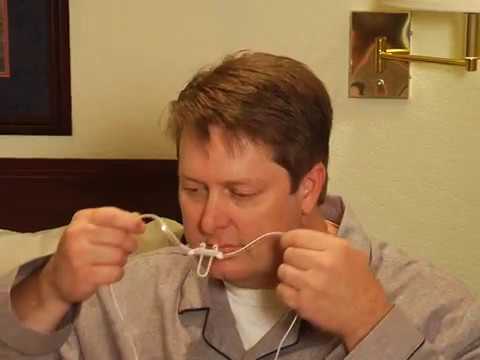
If you have ever wondered whether you could diagnose a sleep disorder without spending a night wired up in a sterile lab, the answer is now yes. An at home sleep study kit has revolutionized the way healthcare providers detect conditions like obstructive sleep apnea, central sleep apnea, and other breathing-related sleep disturbances. These portable diagnostic tools bring clinical-grade monitoring into your bedroom, removing barriers like travel time, claustrophobia, and the high cost of overnight lab studies. Whether you are a patient exploring your options or a sleep medicine professional looking for reliable remote diagnostics, understanding how these kits work, what they measure, and which one is right for you is essential. This guide covers everything from the technology inside the device to practical tips for getting accurate results in your own home.
What Is an At Home Sleep Study Kit?
An at home sleep study kit, also referred to as a home sleep apnea test or HSAT device, is a portable medical diagnostic system designed to monitor your physiological data while you sleep in your own bed. Unlike traditional polysomnography performed in a sleep center, these kits focus primarily on breathing patterns, blood oxygen levels, and movement indicators rather than recording full brain activity. They typically include a small recording device, sensors for your finger or nose, and straps to measure chest and abdominal movement. The goal is to capture enough data to identify obstructive sleep apnea episodes, hypopnea events, and oxygen desaturation without requiring an overnight stay at a specialized facility.
These kits have gained significant traction in sleep medicine because they reduce wait times dramatically. In many healthcare systems, the backlog for in-lab studies can stretch for weeks or months. A home-based assessment allows patients to complete the test within a few days of receiving the device, leading to faster diagnosis and earlier treatment. For patients with a high pre-test probability of moderate to severe sleep apnea, home testing often provides sufficient diagnostic accuracy to initiate therapy such as CPAP or oral appliance treatment.
How Do At Home Sleep Study Kits Work?
The technology behind a home sleep apnea test is more sophisticated than most people realize. Each device is built to capture specific biometric signals that correlate with sleep-disordered breathing events. Here is a breakdown of the core components and what they do.
What Sensors and Devices Are Included?
Most at home sleep study kits include some combination of the following sensors and recording units:
- Nasal cannula or airflow sensor: Measures the rate and pattern of air flowing through your nostrils, detecting pauses or reductions in breathing.
- Finger pulse oximeter: Continuously tracks blood oxygen saturation levels, revealing desaturation events that accompany apneas and hypopneas.
- Chest and abdominal belts: Use respiratory inductance plethysmography to measure effort-based breathing, distinguishing between obstructive and central events.
- Body position sensor: Records whether you are sleeping on your back, side, or stomach, since apnea severity often increases in the supine position.
- Microphone or snore sensor: Captures snoring intensity and patterns as a secondary indicator of upper airway resistance.
- Actigraphy or accelerometer: Some advanced devices include a motion detector to estimate sleep-wake states and total recording time.

Once you set up the device according to the instructions, you go to sleep normally. The device records data throughout the night, and you return it to the provider or mail it back. A certified sleep technologist or physician then scores the data, calculates your apnea-hypopnea index, and generates a clinical report.
Who Is an At Home Sleep Study Right For?
Not every patient qualifies for a home sleep test. These kits are best suited for individuals who present with a high likelihood of moderate to severe obstructive sleep apnea based on symptom screening and clinical assessment. You may be a good candidate if you experience loud, chronic snoring, witnessed breathing pauses during sleep, excessive daytime sleepiness, morning headaches, or unrefreshing sleep despite adequate hours in bed.
Home sleep testing is generally not recommended for patients with significant comorbidities such as severe lung disease, congestive heart failure, neuromuscular disorders, or central sleep apnea syndromes. In these cases, the full comprehensive monitoring available in a sleep lab is necessary to capture the complete picture of a patient’s sleep architecture. Similarly, children and individuals with complex sleep histories should typically be evaluated in a controlled clinical environment.
If your primary care physician or a board-certified sleep specialist determines that your symptoms align with obstructive sleep apnea and you do not have complicating medical conditions, an at home sleep study kit is often the fastest, most cost-effective pathway to a diagnosis.
At Home Sleep Study vs. In-Lab Sleep Study: Key Differences
Understanding the distinction between a home-based sleep test and a traditional in-lab polysomnogram helps you make an informed decision. The table below highlights the primary differences across critical dimensions.
| Feature | At Home Sleep Study Kit | In-Lab Sleep Study |
| Monitoring Scope | Breathing, oxygen, effort, position | Brain waves, eye movement, muscle activity, breathing, oxygen, heart rhythm |
| Environment | Your own bed | Clinical sleep lab |
| Cost | Significantly lower | Higher |
| Setup Time | 10 to 20 minutes at home | 30 to 60 minutes with a technologist |
| Sleep Data | Limited sleep staging | Full sleep architecture scoring |
| Turnaround Time | Typically 3 to 7 days | 7 to 14 days |
| Best For | Suspected moderate to severe OSA | Complex sleep disorders, comorbidities |
| Comfort | High, familiar surroundings | Lower, unfamiliar setting |
Top At Home Sleep Study Kits on the Market
Several reputable manufacturers produce clinically validated devices that sleep medicine providers trust. The following brands represent the most widely used systems in the United States and internationally.
- WatchPAT One: Uses a wrist-worn device with a finger probe to measure sleep stages, airflow, oxygen, and pulse rate. It is fully disposable for single-patient use, eliminating cross-contamination concerns.
- WatchUP by Itamar Medical (now part of ZOLL): A home sleep apnea test that integrates peripheral arterial tonometry with oximetry to provide a sleep-based AHI calculation without relying solely on airflow sensors.
- Nox T3: A multi-channel portable device that records airflow, effort, oximetry, position, and snoring, offering detailed data for physicians who want a closer-to-lab analysis.
- Embletta MPR: A compact recorder that captures nasal pressure, oximetry, effort belts, and ECG, making it suitable for patients who need a broader diagnostic window.
- SOMNOtouch NIB: A lightweight device with integrated sensors for airflow, oxygen, effort, and snoring, designed for ease of use by patients with minimal technical skill.
When your provider recommends a specific device, it is usually because that system aligns with their clinical protocol and has strong evidence supporting its diagnostic accuracy for your particular presentation.
How to Prepare for Your At Home Sleep Study
Getting accurate results from your home sleep apnea test depends on proper preparation. Follow these expert recommendations to ensure the data your device captures is clinically reliable.
- Avoid alcohol and sedatives for at least 24 hours before the test, as these substances relax your upper airway muscles and can suppress breathing events you would normally experience.
- Wash your hair and skin where sensors will be placed. Oils, lotions, and sweat can interfere with adhesive and sensor contact, leading to signal loss.
- Follow your normal sleep schedule. Do not go to bed earlier or later than usual. Maintaining your regular routine helps ensure the recorded data reflects your genuine sleep patterns.
- Limit caffeine after noon on the day of the study, as stimulants can fragment your sleep and reduce total recording time.
- Keep your bedroom dark, cool, and quiet. While the goal is comfort, excessive noise or light can disrupt sleep and reduce the quality of the study.
- Do not nap during the day before the test, as accumulated sleep debt improves your chances of sleeping soundly through the monitoring period.
- Charge your device fully if it has a rechargeable battery, or ensure fresh batteries are installed, so it does not shut off prematurely during the night.
Many patients worry that sleeping with sensors attached will be uncomfortable or prevent them from falling asleep. In practice, most people adapt within 15 to 20 minutes. The devices are lightweight, and once you settle into your normal sleeping position, the sensors become unobtrusive. If you wake up and notice a sensor has shifted, simply reposition it gently without removing it entirely.
Interpreting Your Results: What Happens Next?
Once you return the device, a sleep technologist processes the raw data and calculates your apnea-hypopnea index, or AHI. This number represents the average number of breathing pauses or reductions per hour of sleep. An AHI below five is considered normal. An AHI between five and fifteen indicates mild sleep apnea, while values between fifteen and thirty fall into the moderate range. Anything above thirty is classified as severe.
If your home sleep study confirms a clinically significant apnea-hypopnea index, your provider will discuss treatment options tailored to your severity, anatomy, and lifestyle. The most common interventions include continuous positive airway pressure therapy, mandibular advancement devices, positional therapy, weight management programs, and in some cases, surgical referral. Some providers also use the home study data to calibrate auto-adjusting PAP devices, ensuring you start therapy with pressure settings optimized for your specific breathing patterns.
In cases where the home test returns inconclusive results or detects a pattern inconsistent with simple obstructive sleep apnea, your physician may recommend a full in-lab polysomnogram to rule out additional sleep disorders such as narcolepsy, periodic limb movement disorder, or parasomnias that the limited channel home test cannot capture.
Frequently Asked Questions
1. How accurate is an at home sleep study kit compared to an in-lab study?
For detecting moderate to severe obstructive sleep apnea, at home sleep tests demonstrate sensitivity and specificity comparable to in-lab polysomnography. However, home devices may underestimate the AHI because they do not record sleep stages directly. Your total recording time is used as a proxy for sleep time, which can slightly skew results in patients who spend extended periods awake during the night.
2. Can I use an at home sleep study kit if I have insomnia?
If your primary complaint is difficulty falling or staying asleep without symptoms of sleep apnea, a home sleep study is unlikely to provide useful diagnostic information. Home tests are designed to detect breathing events, not insomnia itself. Your doctor may recommend cognitive behavioral therapy for insomnia or a full in-lab evaluation instead.
3. Is a prescription required to obtain an at home sleep study kit?
Yes. In the United States and most countries, home sleep apnea testing devices are classified as medical-grade diagnostic equipment. You need a referral or prescription from a licensed physician, typically a sleep medicine specialist or your primary care provider, before you can access one of these kits.
4. How long does the recording device record for?
Most at home sleep study kits are designed to record data for a single night, typically eight to ten hours. Some devices allow extended recording if you wake up during the night, but the standard protocol is one full night of monitoring. This single-night approach is sufficient because sleep apnea patterns tend to be consistent across nights in most patients.
5. Can I reuse an at home sleep study kit for multiple nights if the first one fails?
That depends on the device and your provider’s policy. Some systems like the WatchPAT One are single-use and disposable, while others such as the Nox T3 or Embletta MPR are reusable and can be deployed for a second night if the first study yields insufficient data. Contact your sleep provider before discarding any components.
6. Will my insurance cover an at home sleep study?

Many insurance plans, including Medicare and most major private insurers, cover home sleep apnea testing when medically necessary and ordered by a qualified provider. Coverage criteria typically require documented symptoms of sleep apnea and a positive pre-test probability screening. Check with your insurance carrier and your sleep clinic to confirm your specific plan’s requirements before proceeding.
Conclusion
An at home sleep study kit represents a significant advancement in sleep medicine, making obstructive sleep apnea screening more accessible, affordable, and convenient than ever before. These devices are not a replacement for comprehensive in-lab polysomnography in complex cases, but for the millions of adults who snore loudly, gasp for air at night, and suffer from unrelenting daytime fatigue, a home sleep test can be the first and most practical step toward reclaiming restorative sleep. By understanding what these kits measure, how to prepare properly, and what your results mean, you empower yourself to take an active role in your sleep health. If you suspect you or a loved one has a sleep breathing disorder, talk to your doctor about whether an at home sleep study kit is the right diagnostic pathway for you.