


Sleep medicine has evolved dramatically over the past decade, and one of the most significant shifts in how clinicians diagnose sleep-disordered breathing is the rise of at home sleep studies. If you have ever wondered whether you could skip the overnight hospital visit and still get reliable answers about your sleep health, you are not alone. Millions of people are now exploring home sleep apnea testing as a convenient, cost-effective alternative to traditional in-lab polysomnography. This guide walks you through everything you need to know — from how a portable sleep monitor works, to who qualifies, to what you can realistically expect from diagnosing sleep apnea at home. Whether you are just beginning to suspect a sleep disorder or you are comparing options before your next appointment, this article covers the full spectrum of information you need.
What Is an At-Home Sleep Study?
An at home sleep study — also referred to as a home sleep test (HST) or home sleep apnea test (HSAT) — is a diagnostic tool that lets you monitor key physiological signals while sleeping in the comfort of your own bed. Unlike a full in-lab sleep study, which requires an overnight stay at a specialized sleep center, a home-based test uses a compact, portable device that you set up yourself. The most commonly measured parameters include airflow, blood oxygen saturation, respiratory effort, heart rate, and body position. These data points help sleep specialists determine whether you are experiencing episodes of obstructive sleep apnea (OSA) or another sleep-related breathing disorder. While a home sleep study does not capture the full breadth of data that a laboratory polysomnography provides, it is specifically designed to detect moderate to severe sleep-disordered breathing with a high degree of accuracy.
How Does Home Sleep Testing Work?
Understanding the process behind a sleep study at home can ease any anxiety you might feel about performing the test yourself. Here is a step-by-step breakdown of how a typical home sleep apnea test unfolds.
- Prescription and Eligibility Screening: Your primary care physician or a sleep medicine specialist evaluates your symptoms — such as chronic snoring, excessive daytime sleepiness, witnessed apneas, or morning headaches — and determines whether a home-based test is clinically appropriate for you.
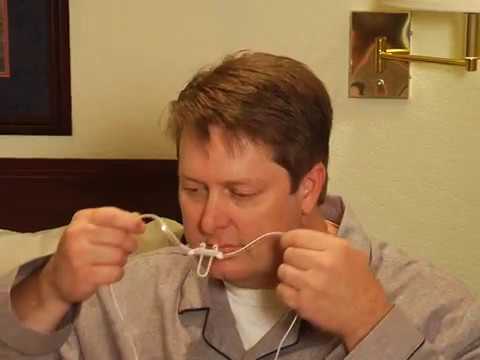
- Device Pickup or Delivery: You receive a portable monitoring kit, which usually contains a small recording device, sensors for your finger (to measure oxygen levels), a nasal cannula or airflow sensor, and a chest strap for tracking respiratory effort.
- Evening Setup: Before bed, you attach the sensors according to simple instructions provided with the device or via a brief orientation session with your provider. The setup is designed to be intuitive and non-invasive.
- Overnight Recording: You sleep normally while the portable sleep monitor records data throughout the night. Most devices are compact enough that they do not significantly interfere with your usual sleeping position.
- Return and Analysis: You return the device the next morning — either by mail or by dropping it off at a clinic. A trained sleep technologist downloads and scores the data, and a board-certified sleep physician interprets the results.
- Follow-Up and Diagnosis: Your provider reviews the findings with you, discusses whether you have sleep apnea or another condition, and outlines next steps, which may include a CPAP prescription, oral appliance therapy, or a referral for a full in-lab study if the results are inconclusive.
What Does a Portable Sleep Monitor Measure?
A typical at home sleep study device measures the following core metrics:
- Apnea-Hypopnea Index (AHI): The number of breathing pauses or reductions per hour of sleep, which is the primary indicator of sleep apnea severity.
- Oxygen Desaturation Events: Drops in blood oxygen levels that often accompany apneic episodes.
- Heart Rate Variability: Fluctuations in heart rate that can correlate with respiratory events and sleep fragmentation.
- Snoring Intensity: Audio or vibration-based detection that helps quantify the severity of snoring.
- Body Position: Whether apneas occur predominantly while sleeping on your back, which can influence treatment recommendations.
Who Should Consider a Sleep Study at Home?
Not everyone with a sleep concern is a candidate for diagnosing sleep apnea at home. The American Academy of Sleep Medicine (AASM) recommends home sleep testing primarily for adults who have a high pretest probability of moderate to severe obstructive sleep apnea and who do not have significant comorbidities that would complicate the interpretation of results. Ideal candidates typically include individuals who:
- Experience loud, persistent snoring and daytime fatigue consistent with sleep apnea symptoms.
- Have no significant heart or lung disease that could muddy the diagnostic picture.
- Are unable to visit a sleep center due to mobility issues, work schedules, childcare responsibilities, or geographic distance.
- Prefer the convenience and lower cost of a home sleep apnea test over an overnight lab visit.
- Have previously undergone an in-lab study and need a follow-up sleep quality assessment to evaluate treatment compliance.
However, if you have complex medical conditions — such as advanced heart failure, neuromuscular disorders, chronic lung disease, or insomnia with no suspected breathing disorder — your doctor will likely recommend an in-lab polysomnography instead, because those settings provide a far more comprehensive dataset.
At-Home Sleep Study vs. In-Lab Sleep Study: A Comparison
| Feature | At-Home Sleep Study | In-Lab Sleep Study (Polysomnography) |
| Setting | Your own bedroom | Accredited sleep center |
| Parameters Measured | Airflow, oxygen, heart rate, effort, position | Brain waves (EEG), eye movement, muscle activity, airflow, oxygen, ECG, and more |
| Sleep Stages Tracked | No | Yes (REM, NREM stages) |
| Cost | Generally lower | Higher, but often covered by insurance |
| Setup Complexity | Simple, self-administered | Technologist applies dozens of electrodes |
| Accuracy for OSA Detection | High for moderate to severe cases | Gold standard; detects mild cases and other sleep disorders |
| Turnaround Time | Typically 1–2 weeks for results | Similar, but may require additional consultation |
| Best For | High-probability OSA screening | Complex cases, suspected insomnia, narcolepsy, parasomnias |

How to Prepare for Your Home Sleep Apnea Test
Proper preparation can significantly improve the quality of data collected during your sleep study at home. Follow these expert tips to ensure the best possible outcome:
- Avoid alcohol and sedatives for at least 24 hours before the test, as these substances suppress respiratory drive and can mask apneic events.
- Maintain your normal bedtime routine. Going to bed at your usual time helps capture a representative night of sleep rather than an artificially early or late recording.
- Keep your sleeping environment comfortable. A cool, dark, quiet room will help you fall asleep naturally and reduce movement artifacts on the device.
- Do not nap during the day leading up to the test, especially if you have difficulty falling asleep at night.
- Shower and avoid lotions or oils on your chest or finger, as these can interfere with sensor adhesion and signal quality.
- Read the instruction manual thoroughly before the night of the test, and do not wait until the last minute to familiarize yourself with the equipment.
- Keep your phone nearby in case the device has an alert or you need to contact the provider’s technical support line.
Benefits and Limitations of Home Sleep Testing
Benefits

- Convenience: You avoid the hassle of commuting to a sleep center and sleeping in an unfamiliar environment, which can itself disrupt rest.
- Cost-Effectiveness: Home sleep tests are typically one-third to one-half the cost of an in-lab study, and many insurance plans now cover them for appropriate candidates.
- Accessibility: Patients in rural or underserved areas who lack a nearby sleep clinic can still access sleep disorder diagnosis without traveling long distances.
- Comfort: Studies consistently show that patients sleep better in their own beds, which can yield a more naturalistic representation of their sleep architecture.
Limitations

- Limited Data Scope: A portable sleep monitor does not measure brain activity, meaning it cannot distinguish between sleep and wakefulness or identify sleep stages. This can occasionally lead to overestimation of AHI.
- Lower Sensitivity for Mild OSA: Home tests are less reliable for detecting mild cases of sleep apnea compared to full in-lab studies.
- No Technician Oversight: If a sensor falls off or the device malfunctions during the night, there is no on-site professional to correct the issue in real time.
- Cannot Diagnose Other Sleep Disorders: Conditions like narcolepsy, restless legs syndrome, or parasomnias will be missed with a home sleep apnea test alone.
What Happens After You Receive Your Results?
Once your sleep medicine provider receives and interprets the data from your at home sleep study, they will schedule a follow-up appointment — either in person or via telehealth — to discuss the findings. If the results confirm obstructive sleep apnea, your doctor will walk you through treatment options tailored to the severity of your condition and your personal preferences. Common next steps include:
- Initiating CPAP therapy with a prescription and fitting session for a suitable mask and machine.
- Exploring oral appliance therapy with a dentist trained in dental sleep medicine.
- Discussing lifestyle modifications such as weight management, positional therapy, or alcohol reduction.
- Recommending a full in-lab polysomnography if the home test results are inconclusive or if symptoms persist despite a normal AHI reading.
The key takeaway is that an at home sleep study is a powerful screening tool — not a replacement for professional medical evaluation. It opens the door to diagnosis and treatment for many individuals who would otherwise delay seeking help due to logistical barriers.
Frequently Asked Questions
1. How accurate is an at-home sleep study compared to an in-lab test?
For detecting moderate to severe obstructive sleep apnea, home sleep apnea tests demonstrate high sensitivity and specificity, often exceeding 90 percent in appropriately selected patients. However, they are less accurate for mild OSA and cannot match the comprehensive diagnostic capability of a full laboratory polysomnography, which remains the gold standard for identifying a broader range of sleep disorders.
2. Can children undergo a sleep study at home?
Most home sleep apnea tests are validated and FDA-cleared for adults only. Pediatric sleep disorders require specialized assessment, and children with suspected sleep apnea should undergo in-lab polysomnography at a facility equipped for pediatric sleep medicine.
3. Does insurance cover an at-home sleep study?
Many major insurance providers, including Medicare and most private insurers, now cover home sleep testing when deemed medically necessary. Coverage typically requires a documented clinical evaluation and a prescription from a qualified healthcare provider. It is always wise to verify benefits with your specific insurance plan before scheduling the test.
4. Can I use an over-the-counter sleep tracking device instead of a prescribed home sleep study?
Consumer-grade wearables like smartwatches and fitness trackers can provide general trends in sleep duration and heart rate, but they are not medical devices and cannot diagnose sleep apnea. A clinically validated portable sleep monitor prescribed by your doctor is required for a legitimate diagnostic assessment.
5. What if my at-home sleep study comes back normal but I still feel tired?
A normal result from a sleep study at home does not always rule out a sleep disorder. You may have a condition that the home test was not designed to detect — such as upper airway resistance syndrome, periodic limb movement disorder, or a sleep-related breathing issue that only manifests in certain sleep stages. In these cases, your provider will likely recommend a follow-up in-lab sleep study for a more thorough evaluation.
Final Thoughts
The landscape of sleep medicine continues to embrace innovation, and at home sleep studies represent a meaningful leap forward in making sleep disorder diagnosis accessible, affordable, and patient-friendly. By understanding what a home sleep apnea test can — and cannot — do, you empower yourself to have a more informed conversation with your healthcare provider. If you are experiencing symptoms like chronic snoring, unrefreshing sleep, or persistent daytime drowsiness, do not let the logistics of traditional testing hold you back. Explore whether a sleep study at home could be the first step toward better sleep, better health, and a noticeably improved quality of life.